Water pipe and health – myths about water filtration, actual risks, and comparison with tobacco products
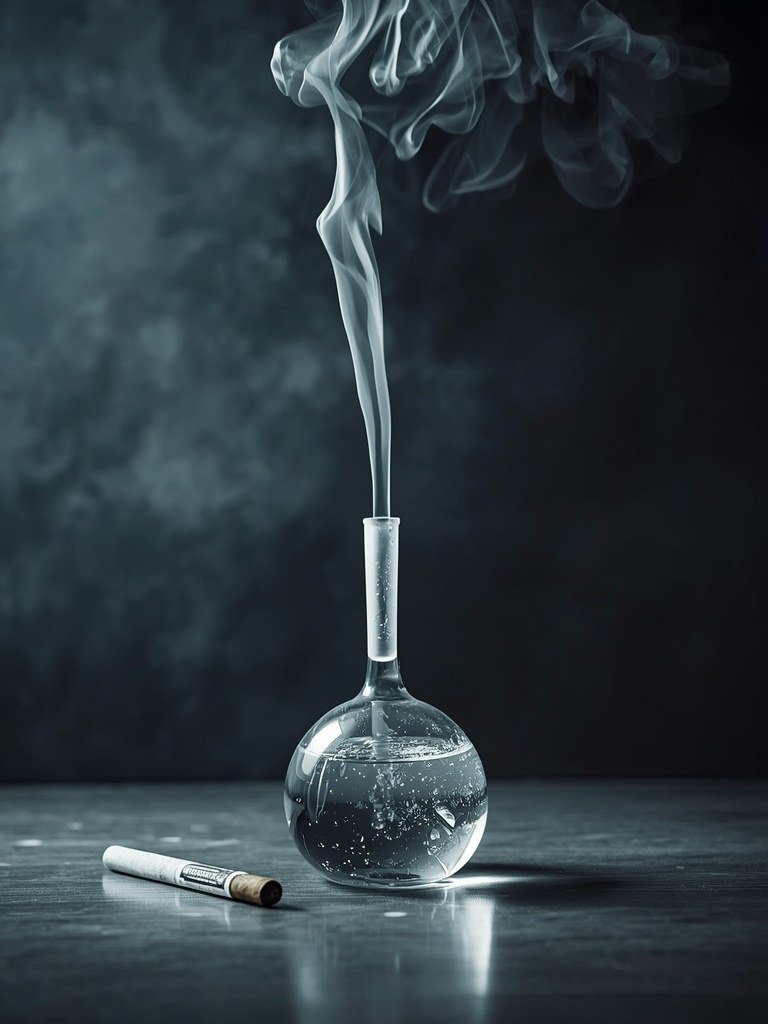
Table of Contents 3
Medical & Editorial Disclaimer (§3 Terms): This article is for informational and educational purposes only, does not constitute medical advice, diagnosis, or treatment, and is used at your own risk. Consult a qualified physician for medical conditions.
The widespread belief that water acts as an effective filter for tar and nicotine is a dangerous fallacy. In reality, the water merely cools the smoke, which facilitates deeper inhalation into the lungs and increases the intake of toxic combustion byproducts such as carbon monoxide and heavy metals from the charcoal. These substances impose a severe burden on the cardiovascular system and respiratory tract, potentially leading to chronic damage and long-term health complications.
For daily health maintenance, it is highly advisable to avoid all forms of tobacco combustion to protect respiratory function and cardiovascular integrity. Choosing a lifestyle free from toxic inhalation is the most effective way to support your body and prevent avoidable health issues. By prioritizing clean air and healthy habits, you can build a stronger foundation for your overall vitality and avoid the significant risks posed by waterpipe smoking.
Numerous misconceptions surround waterpipe (shisha) smoking, falsely suggesting that water filtration eliminates toxic tar and nicotine. Toxicological studies definitively demonstrate that a single hookah session exposes users to far greater volumes of carbon monoxide, heavy metals, and smoke than smoking traditional cigarettes or cigars. Discover the proven physiological hazards of this common pastime.
Hookah versus Cigarettes and Cigars: Comparing Smoke Volume and Nicotine Exposure
Nicotine dependence remains one of the most pervasive yet socially normalized addictions, often underestimated due to its widespread acceptance. Conventional tobacco products contain a multitude of chemical compounds that progressively undermine human health, substantially elevating the likelihood of developing malignancies—particularly in the lungs and larynx. In an attempt to mitigate these risks, some individuals turn to water pipes under the misconception that water filtration effectively removes the majority of toxic agents. However, research conducted by experts at the University of Pittsburgh Medical School reveals that a single hookah session exposes users to 125 times the volume of smoke, 25 times the concentration of tar compounds, 2.5 times the nicotine dosage, and 10 times the carbon monoxide levels compared to traditional cigarette smokers. The primary explanation for these stark disparities lies in the prolonged duration of a typical hookah session, during which the body absorbs an amount of harmful substances equivalent to consuming an entire pack of cigarettes. Even ostensibly safer alternatives such as electronic cigarettes fail to provide a risk-free solution—their e-liquids contain potentially carcinogenic agents, and the long-term health consequences of their use remain inadequately studied.
The Water Filtration Myth and Charcoal Toxicology: Carbon Monoxide, Heavy Metals, and PAHs
The pervasive assumption that water in a hookah bowl functions as an efficient biofilter represents one of the most perilous cognitive fallacies among waterpipe users. Water merely cools the smoke stream, soothing upper respiratory irritation and facilitating markedly deeper pulmonary inhalation into terminal alveoli; it is physically incapable of solubilizing nonpolar lipophilic toxins or volatile toxic gases. A paramount source of extreme toxicity in hookah sessions is the glowing charcoal briquette required to combust tobacco molasses. Incomplete charcoal pyrolysis generates colossal volumes of carbon monoxide (CO), which binds to hemoglobin with an affinity exceeding 200 times that of oxygen, forming carboxyhemoglobin and inducing systemic tissue hypoxia. Analytical spectrochemistry of hookah aerosol reveals alarming concentrations of heavy metals (lead, cadmium, chromium, and arsenic) alongside carcinogenic polycyclic aromatic hydrocarbons (PAHs), far outstripping levels documented in standard cigarette smoke.
Long-Term Health Consequences: Cardiovascular Damage, Oncological Risks, and Communicable Diseases
Habitual waterpipe smoking elicits identical, and frequently more severe, chronic pathologies compared to standard cigarette addiction. Prolonged exposure to toxic particulates paralyzes the bronchial mucociliary escalator, driving chronic bronchitis and irreversible chronic obstructive pulmonary disease (COPD). From a cardiovascular standpoint, concurrent nicotine and carbon monoxide influx precipitates acute endothelial stiffness, coronary microangiopathy, sustained hypertension, and an escalated incidence of myocardial infarction. Furthermore, longitudinal epidemiological surveillance confirms heightened susceptibility to malignancies of the lungs, larynx, esophagus, and urinary bladder. A distinct and perilous secondary hazard is communicable disease transmission: passing communal hoses and mouthpieces within social circles creates an ideal transmission vector for herpes simplex virus (HSV), Helicobacter pylori, tuberculosis mycobacteria, and seasonal respiratory viruses.
Want to apply these guidelines in your daily diet?
Our smart diet generator creates a tailored meal plan in 3 minutes based on the recommendations in this article.
Tags

mgr Emilia Szymańska
• 25.11.2026Diets Premium Expert
Diets Premium team expert. Specializes in nutrition plans, strength sports, and training plans.