
Bulimia and its consequences in the oral cavity

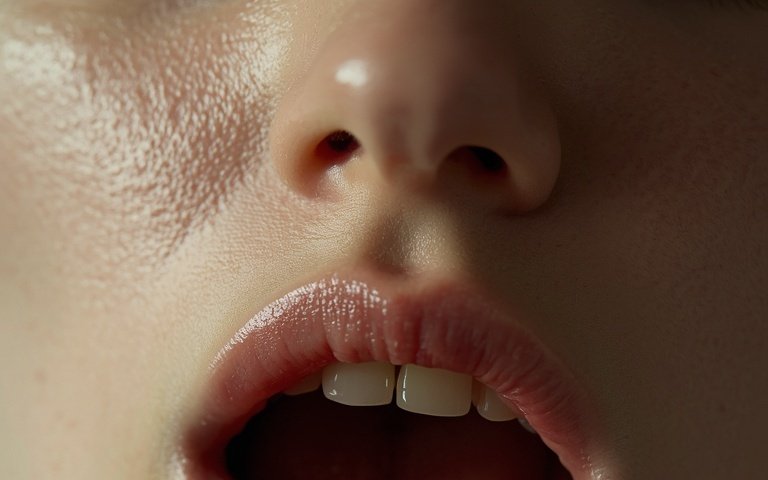
Table of Contents 3
Medical & Editorial Disclaimer (§3 Terms): This article is for informational and educational purposes only, does not constitute medical advice, diagnosis, or treatment, and is used at your own risk. Consult a qualified physician for medical conditions.
The physiological consequences are far-reaching, primarily manifesting as critical electrolyte imbalances that can lead to cardiac issues, dizziness, and fainting. Within the oral cavity, the frequent presence of gastric acid causes significant damage, including inflammation and deterioration of oral tissues. Furthermore, the body’s compensatory response to chronic fluid loss often results in peripheral edema and swelling, illustrating how the disorder disrupts systemic organ function and fluid regulation across the entire biological system.
Taking actionable steps toward recovery involves prioritizing professional medical and psychological support to address the root causes of self-blame and low self-esteem. Monitoring oral health and being attentive to physical warning signs like persistent fatigue or swelling can help in identifying the need for intervention. Cultivating a supportive environment and focusing on consistent, nourishing eating patterns are vital strategies for restoring internal balance and preventing long-term damage to the heart, digestive tract, and dental health.
Bulimia nervosa: binge-eating disorder with compensatory behaviors and cyclical symptomatic patterns
Bulimia changes within the oral cavity
Bulimia nervosa: systemic organ dysfunction and physiological complications
Want to apply these guidelines in your daily diet?
Our smart diet generator creates a tailored meal plan in 3 minutes based on the recommendations in this article.

Anna Schmidt
• 24.09.2026Diets Premium Expert
Diets Premium team expert. Specializes in nutrition plans, strength sports, and training plans.















































