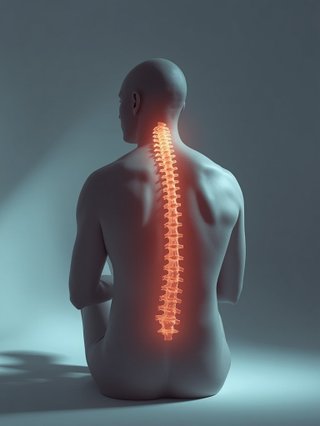
Biological aspects of aging: How can dietary modification influence the rate of age-related changes?


Table of Contents 5
Medical & Editorial Disclaimer (§3 Terms): This article is for informational and educational purposes only, does not constitute medical advice, diagnosis, or treatment, and is used at your own risk. Consult a qualified physician for medical conditions.
Scientific insights highlight the crucial role of molecular pathways such as sirtuins and AMPK activation through dietary polyphenols, which regulate mitochondrial biogenesis and suppress inflammatory mediators. Furthermore, modulating caloric density and triggering autophagy supports cellular self-renewal and helps clear damaged proteins, while antioxidant defenses counteract oxidative stress and advanced glycation end-products. Maintaining genomic stability, supporting telomere integrity, and reducing low-grade chronic inflammation are essential for preserving systemic tissue architecture during aging.
Practical implementation involves adopting a nutrient-dense, plant-forward dietary pattern rich in whole foods, berries, and fibrous vegetables that naturally support metabolic health. Combining these dietary shifts with consistent aerobic and resistance exercise, adequate restorative sleep, and stress management promotes long-term physiological resilience. Readers are thus empowered to embrace evidence-based lifestyle habits that foster sustained vitality and well-being across the lifespan.
Aging constitutes an inevitable, multistage physiological process characterized by the progressive deterioration of cellular, tissue, and systemic functions within the human body. Over time, there is a observable decline in reparative mechanisms, heightened vulnerability to metabolic dysfunctions, and chronic diseases—factors that collectively contribute to reduced physical, cognitive, and emotional capacity. A comprehensive grasp of these phenomena may pave the way for interventions aimed at mitigating the adverse consequences associated with the passage of time.
Biological Hallmarks of Aging – Telomere Maintenance and Cellular Senescence
At the molecular scale, biological aging is governed by established hallmarks of aging, among which telomere attrition, deficiencies in telomere maintenance, and genomic instability play foundational roles. Telomeres are specialized tandem hexameric repeats capped by the multi-protein shelterin complex, safeguarding chromosomal termini from inappropriate DNA damage response and end-to-end fusion. With each cycle of DNA replication, unmitigated end-replication dynamics provoke progressive telomere erosion. Upon reaching a critical threshold (the Hayflick limit), cells arrest irreversibly into cellular senescence. These persistent senescent 'zombie' cells resist programmed apoptosis and synthesize the senescence-associated secretory phenotype (SASP)—a pathogenic paracrine secretome enriched with pro-inflammatory cytokines (IL-6, IL-1β), chemokines, and matrix metalloproteinases (MMPs). SASP degrades adjacent tissue architecture, recruits immune cells chronically, and paracrinely forces neighboring healthy cells into senescence. Targeted nutritional protocols rich in polyphenols, marine omega-3s, and regular cardiorespiratory conditioning upregulate endogenous telomerase reverse transcriptase (TERT) activity and promote leukocyte telomere length maintenance.
Oxidative Stress, Endogenous Antioxidant Defense, and Advanced Glycation End-Products (AGEs)
The mitochondrial cascade hypothesis demonstrates that the progressive accrual of somatic mtDNA mutations and electron transport chain inefficiency drives excessive leakage of reactive oxygen species (ROS). When free radical generation overwhelms endogenous antioxidant defense mechanisms—specifically superoxide dismutase (SOD1/SOD2), catalase, and glutathione peroxidase (GPx)—cells suffer widespread lipid peroxidation, enzyme denaturation, and nuclear DNA strand breaks. Compounding this damage is non-enzymatic protein glycation, accelerated by glycemic variability and dietary consumption of ultra-processed sugars. Reducing sugars irreversibly cross-link amino residues of structural collagen and vascular elastin, forming advanced glycation end-products (AGEs). These AGE complexes induce vascular stiffness and engage transmembrane RAGE receptors, triggering downstream nuclear factor kappa B (NF-κB) transcription and systemic inflammatory cascades. Upregulating endogenous antioxidant defense networks through dietary Nrf2 phase-II enzyme activators (such as sulforaphane, curcumin, and anthocyanins) fortifies cellular redox equilibrium against chronic oxidative decay.
Longevity Nutrition – Activating Sirtuins (SIRT1/SIRT3), AMPK, and Polyphenols
Evidence-based nutritional architecture serves as the most potent non-pharmacological regulator of mammalian longevity pathways, foremost among which are the sirtuin family of NAD+-dependent deacetylases (prominently nuclear SIRT1 and mitochondrial SIRT3/SIRT6) and adenosine monophosphate-activated protein kinase (AMPK). Sirtuins orchestrate double-strand DNA repair, suppress transcription of inflammatory mediators, augment cellular insulin sensitivity, and boost mitochondrial biogenesis via PGC-1α deacetylation. Among the most researched sirtuin-activating compounds (STACs) are dietary polyphenols: resveratrol (dark grape skins, Polygonum cuspidatum), fisetin (strawberries), quercetin (red onions, capers), and epigallocatechin gallate (EGCG from Camellia sinensis). These phytochemicals act in synergy with marine omega-3 polyunsaturated fatty acids (EPA and DHA), quelling systemic micro-inflammation, safeguarding telomere integrity, and exhibiting mild senolytic activity to purge dysfunctional senescent cells.
Caloric Density, Autophagy, and Intermittent Fasting in Cellular Rejuvenation
Among the most robust, reproducible interventions for decelerating biological senescence is modulating dietary caloric density and periodically triggering autophagy—the lysosomal self-renewal mechanism recognized with the 2016 Nobel Prize. A diet characterized by low caloric density, predominantly composed of fibrous vegetables, whole legumes, berries, and intact grains, delivers immense satiety, soluble fiber, and micronutrient richness with low total caloric burden. This strategy facilitates caloric restriction without malnutrition (CR), downregulating the mammalian target of rapamycin (mTOR)—a primary nutrient-sensing hub whose chronic hyperactivation accelerates biological senescence. During periods of fasting (such as 16:8 intermittent fasting or circadian time-restricted feeding), cellular energy depletion shifts signaling to AMPK, activating micro- and macro-autophagy alongside mitophagy. Dysfunctional mitochondria, ubiquitinated protein aggregates, and intracellular debris are enzymatically degraded and recycled into fresh substrates, rejuvenating proteostasis.
Lifestyle Pillars for Longevity – Sleep, Movement, and Quelling Inflammaging
Low-grade sterile chronic inflammation accompanying aging ('inflammaging') constitutes the underlying driver of degenerative disorders. Alongside targeted anti-inflammatory nutrition, lifelong physical activity blending aerobic cardiorespiratory conditioning with resistance training preserves biological reserve. Furthermore, 7–8 hours of sound sleep enables the glymphatic clearance system to purge neurotoxic beta-amyloid plaques from the central nervous system. Social connectivity, stress resilience, and clean living collectively extend healthspan alongside lifespan.
Want to apply these guidelines in your daily diet?
Our smart diet generator creates a tailored meal plan in 3 minutes based on the recommendations in this article.

mgr Tomasz Jankowski
• 23.10.2026Diets Premium Expert
Diets Premium team expert. Specializes in nutrition plans, strength sports, and training plans.