Vegan culinary art: recipes full of flavor, health, and variety
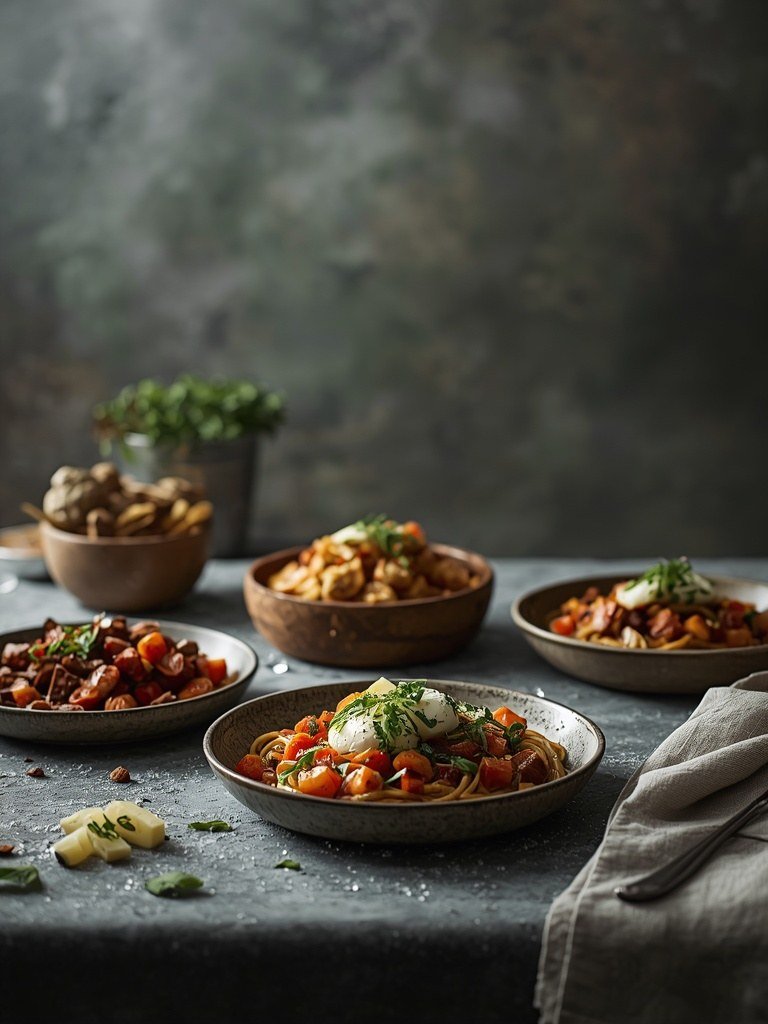
Table of Contents 4
Medical & Editorial Disclaimer (§3 Terms): This article is for informational and educational purposes only, does not constitute medical advice, diagnosis, or treatment, and is used at your own risk. Consult a qualified physician for medical conditions.
The physiological foundation of a healthy vegan diet relies on the strategic diversity of plant protein sources, such as combining legumes and whole grains to ensure a complete amino acid profile. Another vital consideration is non-heme iron absorption, which is markedly enhanced in the presence of vitamin C, making the addition of fresh produce to iron-rich meals highly beneficial. By utilizing plant-based alternatives like nuts, seeds, and fermented soy, one can achieve rich textures and complex flavors that elevate everyday cooking without the need for animal-derived ingredients.
For daily health, it is practical to focus on a vibrant variety of whole foods and to embrace creative substitutes, such as flax seeds for binding or plant-based beverages for baking and beverages. Preparing nourishing soups, fiber-rich spreads, and wholesome desserts demonstrates that plant-based cooking is both simple and deeply satisfying. By incorporating aromatic spices and fresh herbs, one can transform basic ingredients into flavorful meals that support the body with essential nutrients and promote a sustainable, enjoyable way of eating.
Plant-based cuisine has evolved far beyond a niche dietary trend into an inspiring cornerstone of modern gastronomy, uniting health preservation, environmental consciousness, and extraordinary flavor diversity. A well-planned vegan diet reliably supplies all essential nutrients, provided meals are mindfully structured and paired with appropriate supplementation of vitamin B12 and vitamin D. Dispelling the myth of culinary monotony, cooking without meat, dairy, or eggs unlocks limitless creativity through legumes, whole grains, vibrant produce, nuts, seeds, and aromatic spices.
Foundations of Balanced Plant Nutrition: Protein, Iron, and Key Vitamins
The cornerstone of a healthy vegan lifestyle is the strategic diversity of plant protein sources. Combining legumes (lentils, chickpeas, beans, organic soy) with whole grains (quinoa, millet, brown rice) ensures a complete amino acid profile throughout the day. Another vital consideration is non-heme iron absorption, which is markedly enhanced in the presence of vitamin C—making the addition of bell peppers, fresh parsley, citrus juice, or broccoli to iron-rich meals highly beneficial. Supplementing with vitamin B12 is non-negotiable, as it is biologically unavailable in unfortified plant foods, alongside mindful sourcing of omega-3 fatty acids from flaxseeds, walnuts, chia seeds, or algal oil.
Essential Plant-Based Substitutes for Animal Products in Everyday Cooking
Modern plant-based cooking provides simple, wholesome substitutes for conventional animal-derived staples. Cow milk is effortlessly replaced with oat, soy, or almond beverages that froth well in coffee and perform reliably in baked goods. In baking, eggs can be substituted with flax eggs (ground flaxseed whisked with warm water), mashed ripe bananas, or unsweetened applesauce. Meaty textures in stews and stir-fries are achieved through firm tofu, fermented tempeh, seitan, or hearty oyster and portobello mushrooms. Furthermore, nutritional yeast flakes serve as a culinary secret weapon, imparting deep umami and savory, cheese-like notes to dressings, pasta dishes, and sauces without dairy.
Recipes for Wholesome Vegan Main Courses and Nourishing Soups
Wholesome vegan main courses center around the harmonious union of vegetables, complex carbohydrates, and legumes. A standout weeknight dinner is fragrant chickpea and sweet potato curry with coconut milk, freshly grated ginger, turmeric, and cumin, served alongside wild basmati rice. Another nourishing dish is roasted tomato or butternut squash soup simmered with red lentils, which naturally thickens the broth and infuses substantial plant protein without dairy cream. For comforting classics, pan-seared millet and mushroom patties paired with dill gravy, or rich hunters stew with dried wild forest mushrooms, prunes, and smoked tofu, provide deeply satisfying flavors.
Plant-Based Sandwich Spreads, Vibrant Salads, and Wholesome Desserts
Quick meals and healthy snacks in a vegan diet can be simultaneously simple, nutritionally dense, and delectable. Homemade chickpea hummus blended with creamy tahini, garlic, lemon juice, and roasted beetroot creates a colorful, fiber-rich spread for artisanal whole-grain sourdough. Another inventive staple is a plant-based alternative spread crafted from mashed chickpeas, ripe avocado, minced dill pickles, and nori seaweed flakes. For clean desserts, a velvety chia seed pudding steeped in almond milk and layered with fresh raspberry coulis, traditional homemade fruit starch kissel, or a decadent chocolate mousse made from ripe avocados, raw cacao, and maple syrup satisfy sweet cravings naturally.
Want to apply these guidelines in your daily diet?
Our smart diet generator creates a tailored meal plan in 3 minutes based on the recommendations in this article.

Julia Wójcik
• 25.11.2026Diets Premium Expert
Diets Premium team expert. Specializes in nutrition plans, strength sports, and training plans.