Anti-aging diet - the key to eternal youth
Table of Contents 15
Medical & Editorial Disclaimer (§3 Terms): This article is for informational and educational purposes only, does not constitute medical advice, diagnosis, or treatment, and is used at your own risk. Consult a qualified physician for medical conditions.
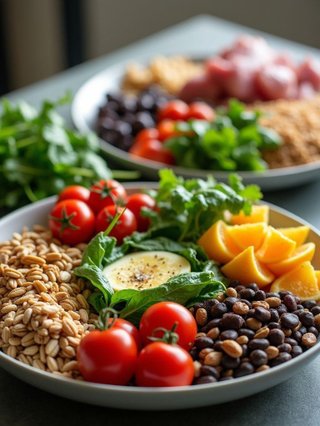
The aging process is largely driven by oxidative stress and the impact of free radicals, which are exacerbated by environmental factors and inadequate nutrition. An effective strategy prioritizes cellular protection through a high intake of antioxidants found in a diverse array of colorful fruits and vegetables. By avoiding highly processed foods and utilizing gentle cooking methods such as steaming, one can optimize the absorption of essential vitamins and minerals while minimizing exposure to harmful substances often created during harsh heat processing.
For daily practice, it is recommended to maintain a consistent meal schedule to prevent sudden cravings and ensure better control over food quality. Proper hydration, along with the inclusion of high-quality fats and proteins, is essential for tissue repair and maintaining skin elasticity. When combined with regular physical activity, which strengthens the body's antioxidant defense system, this nutritional strategy forms a solid foundation for healthy aging and an improved sense of vitality.
This article is professional premium content (PRO) provided in its entirety.
What influences the aging process
Aging process induced by external factors
Influence of internal components
Fundamentals of the anti-aging diet
Ensure your nutrition provides a suitable calorie intake
Adhere to a consistent food intake pattern
Say goodbye to highly processed foodstuffs
Make sure you have the appropriate amount of protein in your diet
Utilize the suitable heat process for product treatment
Water consumption
Ingest the right kinds of fats
Preserve physical activity!
Nutritional substances that delay the aging process
What foods are valuable in your diet?
Summary
Want to apply these guidelines in your daily diet?
Our smart diet generator creates a tailored meal plan in 3 minutes based on the recommendations in this article.

Aleksandrowicz I., Pokrzywa zwyczajna jako superfood, „Journal of NutriLife” 2019, 8, epub. Arct J., Tomaszewska K., Pytkowska K., Zielona herbata, „Polish Journal of Cosmetology” 2016, 19(2), 110–115. Bartkowski L., Nasiona lnu – naturalne źródło zdrowia i urody, „Chemik” 2013, 67(3), 186–191. Borek C., Garlic reduces dementia and heart-disease risk, „The Journal of Nutrition” 2016, 136(3), 810S–812S. Borek C., Antioxidant health effects of aged garlic extract, „The Journal of Nutrition” 2001, 131(3), 1010S–1015S. Chang R., So K.F., Use of anti-aging herbal medicine, Lycium barbarum, against agingassociated diseases. What do we know so far?, „Cellular and Molecular Neurobiology” 2008, 28, 643–652. Dudek K., Borysławski K., Wpływ diety na parametry skóry u kobiet po 45. roku życia, „Kosmetologia Estetyczna” 2016, 6(5), 627–630. Dudek K., Borysławski K., Styl życia a parametry skóry u kobiet w wieku postmenopauzalnym, „Kosmetologia Estetyczna” 2016, 5(4), 337–341. Scientific Opinion on Dietary Reference Values for Water, „EFSA Journal” 2010, 8(3), 1459. Jarosz M. et al., Czy wiesz, ile potrzebujesz białka?, Warszawa 2019, epub. Kania-Dobrowolska M. et al., Nutrikosmetyki – nowa podgrupa suplementów diety, „Postępy Fitoterapii” 2017, 18(2), 132–138. Kostecka M., Bojanowska M., Halska A., Żywienie człowieka jako element przeciw starzeniu się organizmu, Trendy w żywieniu człowieka, pod red. Karwowskiej M., Gustawa W., Kraków 2015, 123. Materac E., Marczyński Z., Bodek K.H., Rola kwasów tłuszczowych omega-3 i omega-6 w organizmie człowieka, „Bromatologia i Chemia Toksykologiczna” 2013, 46(2), 225–233. Michalak A., Krzeszowiak J., Markiewicz-Górka I., Starzenie się organizmu a stres oksydacyjny oraz zmniejszona sprawność systemów naprawczych, „Postępy Higieny i Medycyny Doświadczalnej” 2014, 68. Nowak A. et al., Wpływ przeciwutleniaczy zawartych w owocach na proces fotostarzenia się skóry, „Postępy Fitoterapii” 2014, 2, 94-9. Nagel P., Czynniki warunkujące proces starzenia, ncez.pzh.gov.pl/seniorzy/czynniki-warunkujace-proces-starzenia/ (1.07.2021) Pawlaczyk M., Korzeniowska K., Rokowska-Waluch A., Witamina C i skóra, „Farmacja Współczesna” 2012, 5, 174–178. Pawłowska A., Plewa-Tutaj K., Ocena wpływu wybranych czynników środowiskowych na proces starzenia się skóry, „Kosmetologia Estetyczna” 2016, 6(5), 567–572. Plucińska A., Kunicka-Styczyńska A., Owoce goji jako źródło substancji działających prozdrowotnie, Nauka, technologia i innowacje w żywności i żywieniu, pod red. Budryn G., Śliżewskiej K., Łódź 2019, 25. Redman L.M. et al., Metabolic slowing and reduced oxidative damage with sustained caloric restriction support the rate of living and oxidative damage theories of aging, „Cell Metabolism” 2018, 27(4), 805–815. Rojek-Ledwoch M., Polskie super foods, czyli żywność o wysokiej wartości odżywczej, Warszawa 2018. Swora-Cwynar E. et al., Dieta i suplementy anti-aging, „Bromatologia i Chemia Toksykologiczna” 2018, 51(1). Szmidt M. et al., Rola warzyw i owoców w diecie osób starszych, „Kosmos” 2019, 68(2), 293–301. Wolska J. et al., The influence of stinging nettle (Urtica dioica L.) extracts on the activity of catalase in THP1 monocytes/macrophages, „Pomeranian Journal of Life Sciences” 2015, 61(3). Zawadzka P., Dąbrowska D., Zavyalova O., Witamina A jako substancja aktywna w terapii trądziku i profilaktyce przeciwstarzeniowej, Badania i Rozwój Młodych Naukowców w Polsce, pod red. Leśnego J., Nyćkowiaka J., Poznań 2017, 60.
Diets Premium Expert
Diets Premium team expert. Specializes in nutrition plans, strength sports, and training plans.