Diet and acne – a current literature review
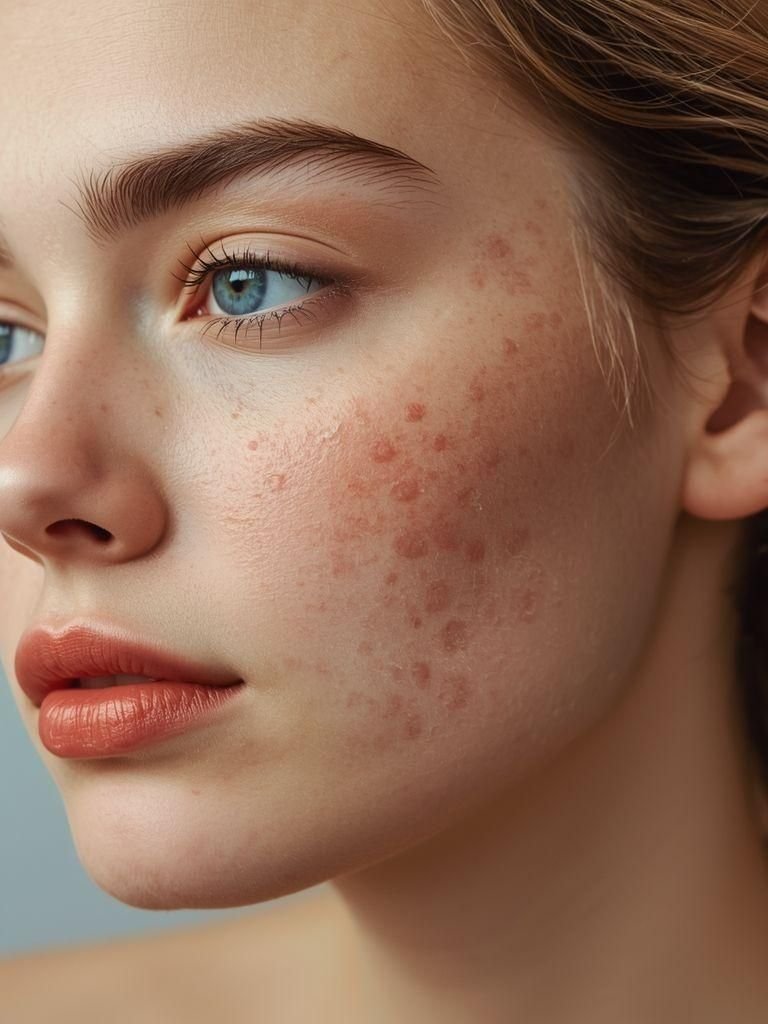
Table of Contents 5
Medical & Editorial Disclaimer (§3 Terms): This article is for informational and educational purposes only, does not constitute medical advice, diagnosis, or treatment, and is used at your own risk. Consult a qualified physician for medical conditions.
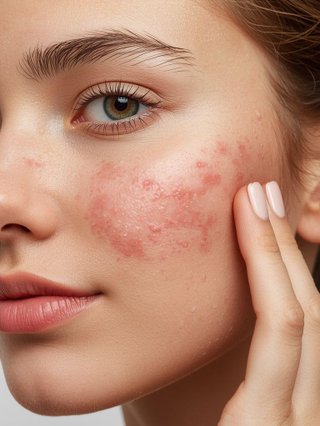
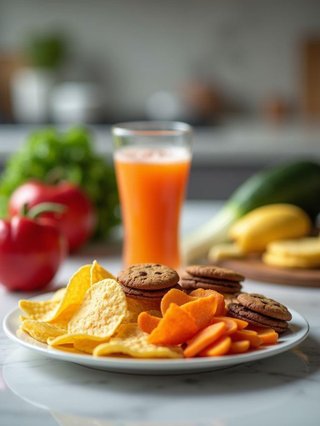
Physiological mechanisms reveal that acne severity is often linked to hormonal fluctuations, specifically involving androgens and insulin-like growth factors. Diets that trigger rapid insulin responses can exacerbate sebum production and skin cell accumulation, leading to clogged pores. While dairy and high-sugar foods are frequently implicated in skin issues, research also explores the nuanced effects of dark chocolate and the protective role of antioxidants. Carotenoids, found in certain plant-based foods, emerge as vital allies in shielding the skin from environmental damage and supporting the structural integrity of the dermis against aging.
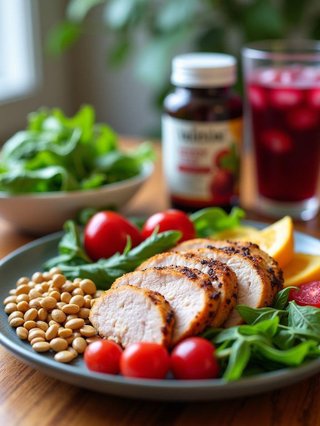
Actionable guidance focuses on adopting a dietary pattern characterized by a low glycemic load to enhance insulin sensitivity and calm systemic inflammation. Incorporating carotenoid-rich ingredients, such as tomato derivatives, can provide internal support against oxidative stress and sun-induced changes. Reducing the intake of processed sweets and certain dairy products may further contribute to a clearer complexion. These nutritional adjustments are intended to support overall skin health and a fitness-oriented lifestyle, serving as a complementary approach rather than a substitute for clinical dermatological care.
This article is professional premium content (PRO) provided in its entirety.
Chronic skin state
Simple sugars and acne
Chocolate and skin changes
Dairy products and their influence on acne
Nutrition and skin aging
Want to apply these guidelines in your daily diet?
Our smart diet generator creates a tailored meal plan in 3 minutes based on the recommendations in this article.

mgr Aalemi A.K., Anwar I., Chen H., Dairy consumption and acne: a case control study in Kabul, Afghanistan, „Clinical, Cosmetic and Investigational Dermatology” 2019, 12, 481–487. Adebamowo C.A. et al., High school dietary dairy intake and teenage acne, „Journal of the American Academy of Dermatology” 2005, 52(2), 207–214. Adebamowo C.A. et al., Milk consumption and acne in adolescent girls, „Dermatology Online Journal” 2006, 12(4), 1. Juhl C.R. et al., Dairy Intake and Acne Vulgaris: A Systematic Review and Meta-Analysis of 78,529 Children, Adolescents, and Young Adults, „Nutrients” 2018, 10(8), epub. Kwon H.H. et al., Clinical and histological effect of a low glycaemic loa diet in treatment of acne vulgaris in Korean patients: a randomized controlled trial, „Acta Dermato-Venereologica” 2012, 92(3), 241–246. Markovic M. et al., Adolescents’ self perceived acne-related beliefs: from myth to science, „Anais Brasileiros de Dermatologia” 2019, 94(6), 684–690. Reynolds R.C. et al., Effect of the glycemic index of carbohydrates on Acne vulgaris, „Nutrients” 2010, 2(10), 1060–1072. Rich-Edwards J.W. et al., Milk consumption and the prepubertal somatotropic axis, „Nutrition Journal” 2007, 6(28). Rouhani P., Berman B., Rouhani G., Poster 706: Acne improves with a popular, low glycemic diet from South Beach, „Journal of The American Academy of Dermatology” 2009, 60(3), AB14.
• 22.03.2026Diets Premium Expert
Diets Premium team expert. Specializes in nutrition plans, strength sports, and training plans.