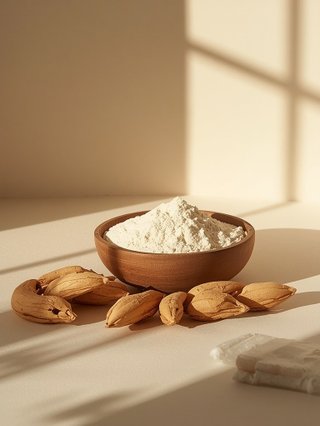
Tamanu seed oil – composition, dermatological benefits, and tissue-healing properties
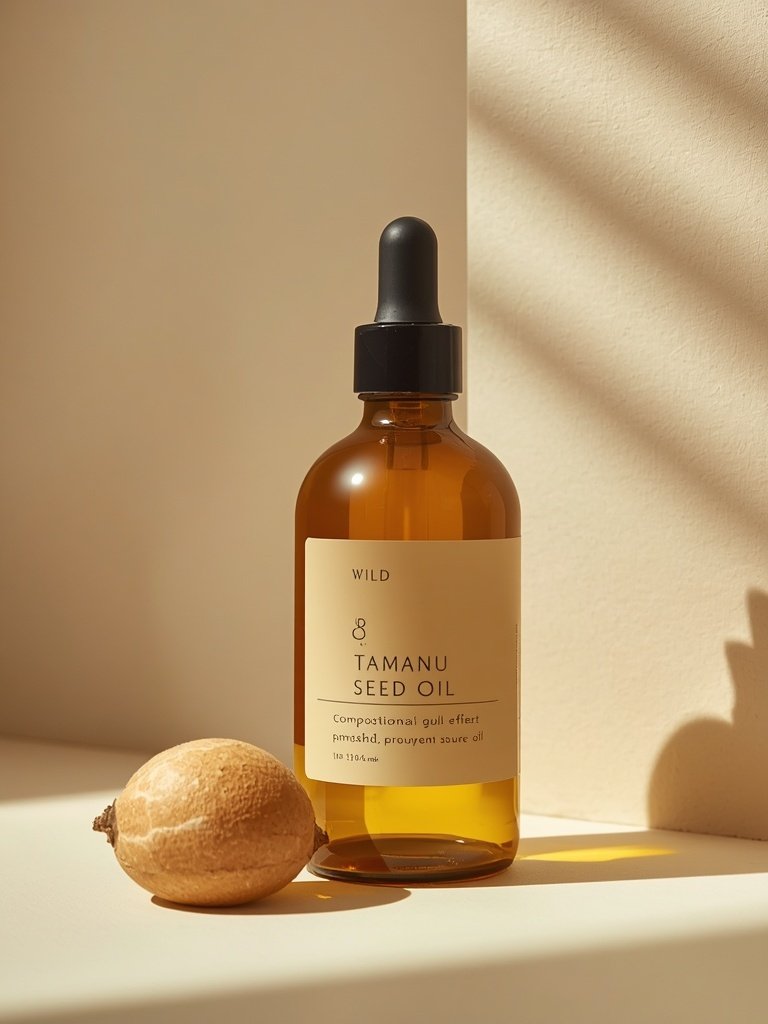
Table of Contents 4
Extracted from the sun-dried kernels of the Calophyllum inophyllum tree, tamanu oil has served for centuries as a cornerstone of Polynesian and Southeast Asian traditional dermatological practices. Characterized by unparalleled anti-inflammatory, antimicrobial, and cicatrizing capabilities, it represents a potent natural therapeutic agent for acne, scar reduction, and epidermal barrier restoration.
Botanical origin and characteristics of tamanu oil
The tamanu tree (Calophyllum inophyllum) thrives along the tropical coastlines of the Pacific and Indian Oceans. Freshly harvested nuts contain very little extractable oil; it is only after several weeks of careful sun-curing that the kernels darken and generate their dense, therapeutic resinous oil.
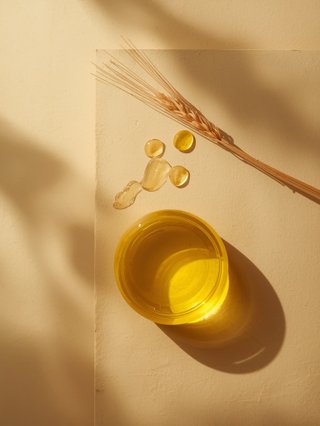
Virgin cold-pressed tamanu oil displays an earthy dark green tint and a robust, spicy-herbal fragrance, combining nourishing essential fatty acids with biologically potent secondary metabolites.
Unique bioactive constituents: calophyllic acid and calophyllolide
The distinctive restorative power of tamanu oil stems from active phytoconstituents virtually unique to this botanical source: calophyllic acid and the 4-phenylcoumarin derivative calophyllolide. These compounds exhibit pronounced antibacterial efficacy against cutaneous pathogens, including Cutibacterium acnes and Staphylococcus aureus.
Moreover, they stimulate dermal fibroblast proliferation and collagen synthesis, markedly accelerating granulation tissue formation and re-epithelialization across injured skin.
Management of scars, acne, and cutaneous lesions
Tamanu oil is celebrated as a premier topical agent for attenuating scars, including post-acne blemishes, surgical marks, and stretch marks. Consistent localized massage over repairing tissue smooths scar texture and normalizes pigmentation.
It may be applied directly onto active acne breakouts to curb inflammation and pain, or blended into restorative balms for mature, sun-damaged, or eczema-prone skin.
Procurement and storage recommendations
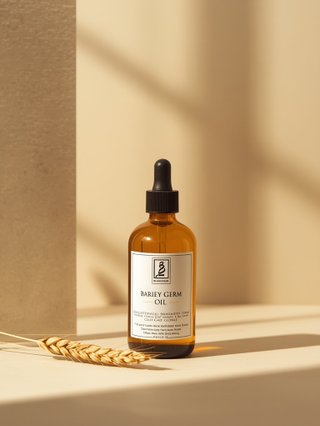
When selecting tamanu oil, verify that the product is 100% pure, unrefined, and cold-pressed (INCI: Calophyllum Inophyllum Seed Oil). Always select packaging in UV-protective amber or dark glass bottles.
Store at room temperature shielded from sunlight. Below 20°C, the oil may naturally become viscous or partially solidify, which readily resolves upon warming between the hands.
Want to apply these guidelines in your daily diet?
Our smart diet generator creates a tailored meal plan in 3 minutes based on the recommendations in this article.
Tags

mgr Literatura: Dweck AC, Meadows T. Tamanu (Calophyllum inophyllum) – the African,Asian, Polynesian and Pacific Panacea. International Journal of Cosmetic Science. 2002; 24: 1-8. Yimdjo MC, Azebaze AG, Nkengfack AE, et al. Antimicrobial and cytotoxic agents from Calophyllum inophyllum. Phytochemistry. 2004 Oct;65(20):2789-95.
Diets Premium Expert
Diets Premium team expert. Specializes in nutrition plans, strength sports, and training plans.