Food & Ingredients 5 min read

Surimi Crab Sticks – Technological Composition, Nutritional Value, Market Price, and Culinary Recipes
Surimi Crab Sticks – Technological Composition, Nutritional Value, Market Price, and Culinary Recipes
1 photo
924
Smart Voice AI
0:00
0:00
Listen to the article content live
Table of Contents 4

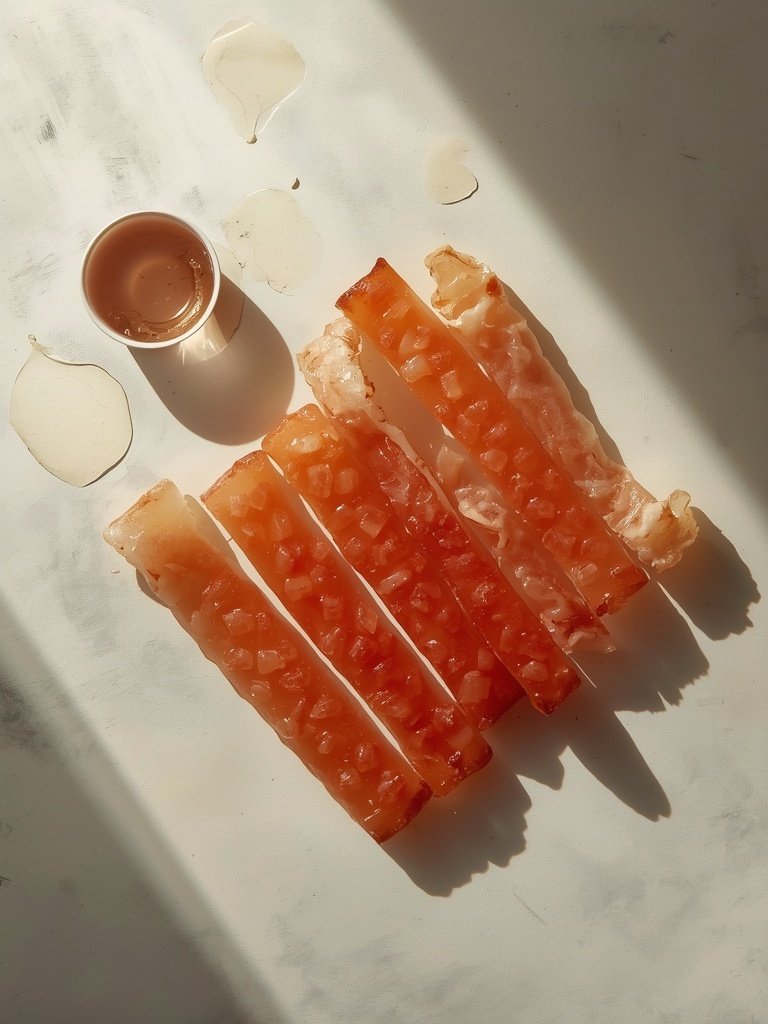
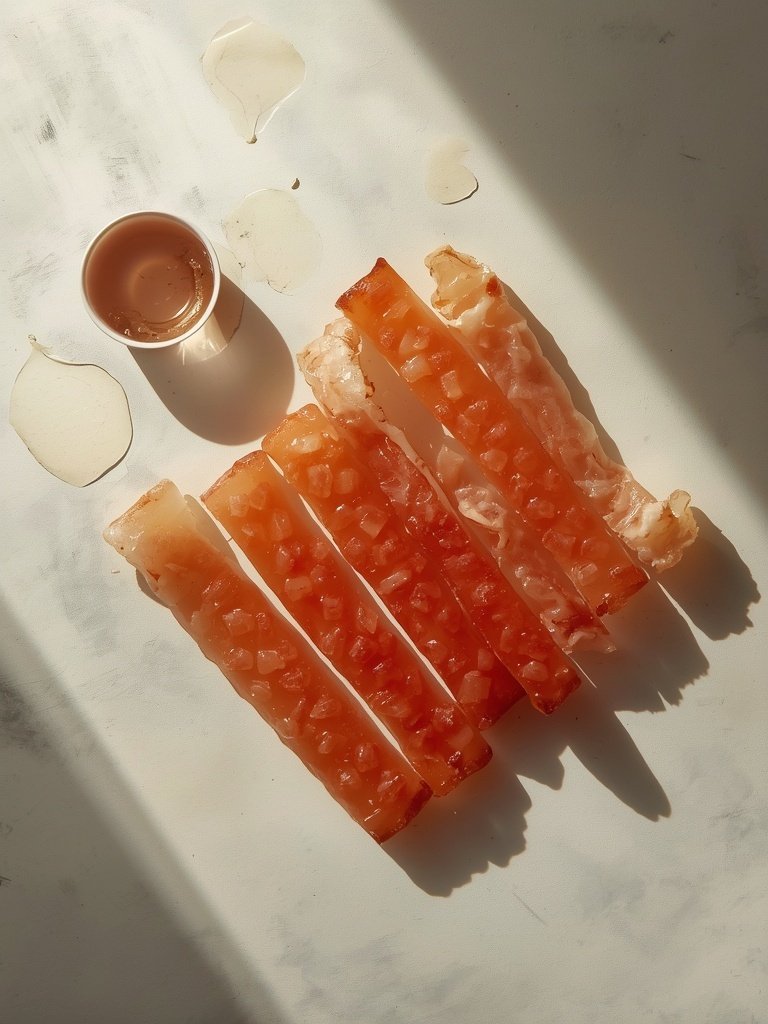
Crab sticks, known in food science and Japanese gastronomy as surimi (kanikama), are a widely consumed ready-to-eat seafood product engineered to mimic the fibrous texture, appearance, and sweet-savory flavor of snow or king crab leg meat. While prized for their convenience and low cost in salads and sushi rolls, nutritionally they represent an ultra-processed fish commodity containing virtually no actual crustacean meat. Discover how surimi sticks are manufactured, their exact macronutrient breakdown, and how to use them mindfully in balanced recipes.

01 / 04

What Are Surimi Crab Sticks and Where Did Surimi Technology Originate?

The term 'surimi' originates from Japanese and literally translates to 'ground meat.' The underlying culinary technique of preserving and texturizing white fish dates back nearly 900 years in East Asia, when Japanese artisans discovered that repeatedly washing, mincing, and salting lean fish flesh creates an odorless, elastic myofibrillar protein gel (kamaboko) that sets firm when steamed. The modern red-and-white crab stick (kanikama) was invented in Japan in 1974 as an affordable substitute for scarce snow crab meat.

Today, surimi sticks are a staple convenience product in supermarkets worldwide, valued for their ready-to-eat versatility, absence of bones, mild sweet-marine flavor, and low price point. From a clinical nutrition perspective, however, consumers should recognize that surimi is a restructured imitation product whose nutritional density is substantially lower than that of whole marine fish fillets or authentic crustaceans.

02 / 04

Composition, Manufacturing Process, and Nutritional Profile of Surimi

Despite their name and appearance, commercial crab sticks contain no actual crab meat (at most, a fraction of a percent of crustacean extract for aroma). The primary raw material is mechanically deboned, minced, and repeatedly water-leached white fish flesh—predominantly Alaska pollock (Gadus chalcogrammus) or Pacific hake—which typically accounts for only 30% to 45% of the finished product. The remaining 55% to 70% consists of water and functional food additives: wheat, potato, or tapioca starch, egg white albumin, refined vegetable oil, cryoprotectants and humectants (sorbitol, sucrose), salt, flavor enhancers (monosodium glutamate E621), and exterior food colorants (paprika oleoresin E160c and carmine E120).

Nutritionally, 100 g of surimi provides approximately 90 to 100 kcal, delivering only 7 to 8 g of protein and 0.5 to 1.0 g of fat, alongside 14 to 15 g of carbohydrates derived from added starches and sugars (by contrast, real crab and whole fish contain 0 g carbohydrates and 18–20 g protein). Because intensive water washing strips away water-soluble vitamins, minerals, and lipids, surimi contains negligible omega-3 fatty acids. Due to its elevated sodium load, refined starch, and gluten-containing wheat binders, surimi should be avoided or strictly limited by individuals with hypertension, diabetes, insulin resistance, and celiac disease.

03 / 04

Price vs. Nutritional Quality Compared to Authentic Seafood

A primary driver behind the widespread popularity of surimi sticks is their budget-friendly price. A standard 250 g package in grocery stores costs only a fraction of the price of genuine crab meat, wild shrimp, or fresh marine fillets. This affordability directly reflects the economics of replacing expensive crustacean muscle with washed pollock paste bulked up with water and food starches.

When purchasing surimi occasionally, clinical dietitians advise scrutinizing the ingredient label: look for brands containing the highest percentage of actual fish protein (at least 45% to 50%), colored naturally with paprika extract rather than synthetic dyes, and free from monosodium glutamate. Even then, surimi should be treated as an occasional culinary garnish rather than a nutritional substitute for whole fish.

04 / 04

Surimi in the Kitchen – 3 Light Recipes for Salads and Breakfast Spreads

To balance the starch content and modest micronutrient profile of surimi sticks, pair them in recipes with potassium-rich fresh vegetables, complete proteins (such as eggs or mozzarella), and anti-inflammatory plant fats (avocado or cold-pressed flaxseed oil). Below are three quick, nutritious recipes:

  • Crisp Celery Stalk, Parsley, and Surimi Salad: Slice 1 package of surimi sticks and 2 crisp stalks of celery into thin rounds. Toss with 1 bunch of finely chopped fresh flat-leaf parsley, 1 pressed garlic clove, and 2 tablespoons of plain Greek yogurt. Season with freshly cracked black pepper and a squeeze of lemon juice.
  • High-Protein Egg and Surimi Breakfast Spread: Hard-boil and peel 4 eggs, then roughly chop them alongside 1 package of surimi sticks. Pulse in a food processor (or mash with a fork) with 2 tablespoons of natural yogurt, 1 teaspoon of Dijon mustard, and chopped fresh chives until creamy. Serve chilled on whole-grain sourdough toast.
  • Surimi, Mozzarella, and Avocado Salad with Flaxseed Oil: Dice 1 package of surimi sticks, 1 ball of fresh mozzarella cheese, half a ripe avocado, and 1 small red onion. Gently toss the ingredients together, drizzle with 1 tablespoon of cold-pressed flaxseed oil, and season with freshly ground multicolored pepper.
Meal Plan

Want to apply these guidelines in your daily diet?

Our smart diet generator creates a tailored meal plan in 3 minutes based on the recommendations in this article.

Literatura:
Sara Ipatenco,
Is Imitation Crab Meat Healthy for You,
[dostęp 29.03.18]
http://healthyeating.sfgate.com/imitation-crab-meat-healthy-2049.html
Reasons to Stop Eating This Highly Processed Seafood,
DailyHealthPos, [dostęp 29.03.18]
https://dailyhealthpost.com/7-reasons-to-stop-eating-fake-crab-surimi/
Scientifically reviewed by a clinical dietitian • 23.10.2026

Literatura: Sara Ipatenco, Is Imitation Crab Meat Healthy for You, [dostęp 29.03.18] http://healthyeating.sfgate.com/imitation-crab-meat-healthy-2049.html Reasons to Stop Eating This Highly Processed Seafood, DailyHealthPos, [dostęp 29.03.18] https://dailyhealthpost.com/7-reasons-to-stop-eating-fake-crab-surimi/

Diets Premium Expert

Diets Premium team expert. Specializes in nutrition plans, strength sports, and training plans.

USDA FoodData Central EFSA PubMed Clinical Guidelines
Loading
Recommended articles in this category

Related Articles

Discover similar publications and expert insights.

Brain-boosting diet... Does it genuinely improve cognitive function?
Food & Ingredients

Brain-boosting diet... Does it genuinely improve cognitive function?

⏱ 4 min czytania 📚 Food & Ingredients
#Essential Nutrients #Omega-3 Fatty Acids
Hazelnuts (Corylus avellana): Nutritional Profile, Bioactive Compounds, and Clinical Relevance
Food & Ingredients

Hazelnuts (Corylus avellana): Nutritional Profile, Bioactive Compounds, and Clinical Relevance

⏱ 3 min czytania 📚 Food & Ingredients
#Metabolic Processes #Dietary Patterns
Whole Grain Flours in Practice: Wheat, Rye, Spelt, and Brown Rice – Nutritional Characteristics, Culinary Applications, and Health Benefits
Nutritional Benefits

Whole Grain Flours in Practice: Wheat, Rye, Spelt, and Brown Rice – Nutritional Characteristics, Culinary Applications, and Health Benefits

⏱ 3 min czytania
#Nutritional Benefits #Whole Grain Flour
Walnuts – A Nutritional Powerhouse for Heart, Brain, and Longevity
Food & Ingredients

Walnuts – A Nutritional Powerhouse for Heart, Brain, and Longevity

⏱ 2 min czytania 📚 Food & Ingredients
#Polyunsaturated Fatty Acids #Omega-3 Fatty Acids
Peanuts – nutritional profile, cultivation techniques, and health implications: an examination of dietary value and potential consumption benefits
Food & Ingredients

Peanuts – nutritional profile, cultivation techniques, and health implications: an examination of dietary value and potential consumption benefits

⏱ 4 min czytania 📚 Food & Ingredients
#Nutritional Composition #High-Protein Food
Applications and health benefits of Plantago ovata (psyllium) seeds: dietary fiber profile, gastrointestinal wellness, and culinary integration
Health Benefits

Applications and health benefits of Plantago ovata (psyllium) seeds: dietary fiber profile, gastrointestinal wellness, and culinary integration

⏱ 3 min czytania
#Health Benefits #Traditional Remedies
Lutein – Properties, Natural Dietary Sources, and Ocular Benefits: A Comprehensive Guide to Carotenoid Health
Functional Foods

Lutein – Properties, Natural Dietary Sources, and Ocular Benefits: A Comprehensive Guide to Carotenoid Health

⏱ 4 min czytania 📚 Functional Foods
#Fermented Beverages #Health Benefits
Commonly utilized and lesser-known plant-based oils – their distinctive traits and practical culinary and dietary applications
Food & Ingredients

Commonly utilized and lesser-known plant-based oils – their distinctive traits and practical culinary and dietary applications

⏱ 18 min czytania 📚 Food & Ingredients
#Fat-soluble Vitamins #Plant-based Oils
Hempseed oil derived from *Cannabis sativa* – biochemical composition, health benefits, and practical guidelines for use
Polyunsaturated Fatty Acids

Hempseed oil derived from *Cannabis sativa* – biochemical composition, health benefits, and practical guidelines for use

⏱ 4 min czytania
#Polyunsaturated Fatty Acids #Plant-based Protein
Avocado oil – nutritional composition, health-promoting properties, and applications in culinary arts and skincare
Polyunsaturated Fatty Acids

Avocado oil – nutritional composition, health-promoting properties, and applications in culinary arts and skincare

⏱ 4 min czytania
#Polyunsaturated Fatty Acids #Nutritional Composition
Sugar-free diet - outcomes and recipes. What foods should be included in a sugar-free eating plan?
Food & Ingredients

Sugar-free diet - outcomes and recipes. What foods should be included in a sugar-free eating plan?

⏱ 2 min czytania 📚 Food & Ingredients
#Processed Foods #Sugar-free Diet
Wild rose hips: A comprehensive analysis of bioactive constituents, preservation via drying methods, and prospective utilizations in nutritional and herbal medicine
Food & Ingredients

Wild rose hips: A comprehensive analysis of bioactive constituents, preservation via drying methods, and prospective utilizations in nutritional and herbal medicine

⏱ 4 min czytania 📚 Food & Ingredients
#Herbal Medicine #Processed Foods
Milk and dairy products in human nutrition – a comprehensive guide: nutritional value, product types, health benefits, and considerations
Health Risks

Milk and dairy products in human nutrition – a comprehensive guide: nutritional value, product types, health benefits, and considerations

⏱ 8 min czytania 📚 Health Risks
#Nutritional Composition #Nutritional Ingredients
Characteristics, chemical composition, and practical utilization of pecan nuts in diet and industry
Food & Ingredients

Characteristics, chemical composition, and practical utilization of pecan nuts in diet and industry

⏱ 3 min czytania 📚 Food & Ingredients
#Polyunsaturated Fatty Acids #Essential Nutrients
Homemade almond butter – health benefits, tested recipes, and a step-by-step guide to preparing it in your own kitchen
Food & Ingredients

Homemade almond butter – health benefits, tested recipes, and a step-by-step guide to preparing it in your own kitchen

⏱ 5 min czytania 📚 Food & Ingredients
#Essential Nutrients #Flavor Enhancement
Peanuts – Salted, Roasted, and During Pregnancy: Health Benefits and Safety Guidelines
Food & Ingredients

Peanuts – Salted, Roasted, and During Pregnancy: Health Benefits and Safety Guidelines

⏱ 4 min czytania 📚 Food & Ingredients
#Health Benefits #Flexibility
The obesity-depression nexus: Interdependent mechanisms and escalating co-prevalence
Mental & Brain

The obesity-depression nexus: Interdependent mechanisms and escalating co-prevalence

⏱ 4 min czytania 📚 Mental & Brain
#Dietary Modifications #Dietary Patterns
Buckwheat Flour – Nutritional Profile, Glycemic Index, and Culinary Applications of a Gluten-Free Flour
Food Science

Buckwheat Flour – Nutritional Profile, Glycemic Index, and Culinary Applications of a Gluten-Free Flour

⏱ 4 min czytania 📚 Food Science
#Nutritional Properties #Nutritional Awareness
Rapeseed-derived floral nectar substitute – bioactive composition, health-promoting attributes, and functional applications in culinary and cosmetic contexts
Food & Ingredients

Rapeseed-derived floral nectar substitute – bioactive composition, health-promoting attributes, and functional applications in culinary and cosmetic contexts

⏱ 3 min czytania 📚 Food & Ingredients
#Health Benefits #Functional
Cereal Bran (Milling Byproducts) – Manufacturing Process, Nutritional Composition, Health Properties, and Varieties
Food & Ingredients

Cereal Bran (Milling Byproducts) – Manufacturing Process, Nutritional Composition, Health Properties, and Varieties

⏱ 3 min czytania 📚 Food & Ingredients
#Nutritional Composition #Hypercholesterolemia
Turmeric (Curcuma longa): nutritional profile, mechanisms of action, piperine synergy, and functional culinary applications
Food & Ingredients

Turmeric (Curcuma longa): nutritional profile, mechanisms of action, piperine synergy, and functional culinary applications

⏱ 4 min czytania 📚 Food & Ingredients
#Bioactive Compounds In Plants #Anti-inflammatory Compounds
Common Walnut (Juglans regia): botanical characteristics, nutritional composition, and both time-honored and contemporary culinary applications
Food & Ingredients

Common Walnut (Juglans regia): botanical characteristics, nutritional composition, and both time-honored and contemporary culinary applications

⏱ 6 min czytania 📚 Food & Ingredients
#Nutritional Composition #Nutritional Ingredients
Melilotus Honey: A Comprehensive Examination of Its Composition, Health Benefits, and Diverse Practical Applications
Food & Ingredients

Melilotus Honey: A Comprehensive Examination of Its Composition, Health Benefits, and Diverse Practical Applications

⏱ 2 min czytania 📚 Food & Ingredients
#Nutritional Composition #Health Benefits
Pistachios: A Comprehensive Nutritional Analysis and Health Benefits of Low-Calorie, Biologically Valuable Nuts
Health Benefits

Pistachios: A Comprehensive Nutritional Analysis and Health Benefits of Low-Calorie, Biologically Valuable Nuts

⏱ 2 min czytania
#Health Benefits #Plant-based Protein
Omega-3 and Omega-6 Fatty Acids – Sources of Occurrence and Deficiency Risk
Vitamins And Minerals

Omega-3 and Omega-6 Fatty Acids – Sources of Occurrence and Deficiency Risk

⏱ 3 min czytania
#Vitamins And Minerals #Omega-3 Fatty Acids
Contraindicated attributes and side effects of sea kelp
Antioxidants

Contraindicated attributes and side effects of sea kelp

⏱ 4 min czytania
#Antioxidants #Omega-3 Fatty Acids
Atlantic Salmon (Salmo salar) – Species Profile, Nutritional Matrix, and Cardiovascular Health Benefits
Sports Nutrition

Atlantic Salmon (Salmo salar) – Species Profile, Nutritional Matrix, and Cardiovascular Health Benefits

⏱ 2 min czytania 📚 Sports Nutrition
#Polyunsaturated Fatty Acids #Omega-3 Fatty Acids
Are flax seeds truly in comparison to flaxseed oil - what to choose?
Cardiovascular Diseases

Are flax seeds truly in comparison to flaxseed oil - what to choose?

⏱ 4 min czytania
#Cardiovascular Diseases #Omega-3 Fatty Acids
Nutritional approach for managing ankylosing spondylitis
Omega-3 Fatty Acids

Nutritional approach for managing ankylosing spondylitis

⏱ 3 min czytania
#Omega-3 Fatty Acids #Balanced Diet
Omega-3 fatty acids accompany us from the moment of conception to old age, supporting our physical condition
Omega-3 Fatty Acids

Omega-3 fatty acids accompany us from the moment of conception to old age, supporting our physical condition

⏱ 6 min czytania
#Omega-3 Fatty Acids #Fatty Acids
For Trainees

Latest Diets

Discover other diet plans with similar goals and nutrients.

Share