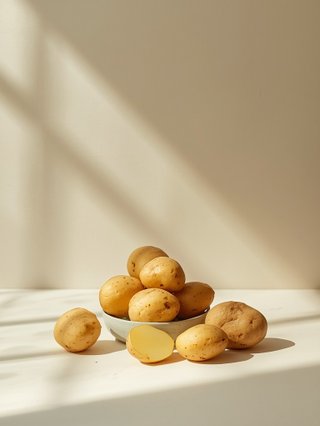
Solanine – a harmful substance in potatoes. Poisoning due to excessive consumption
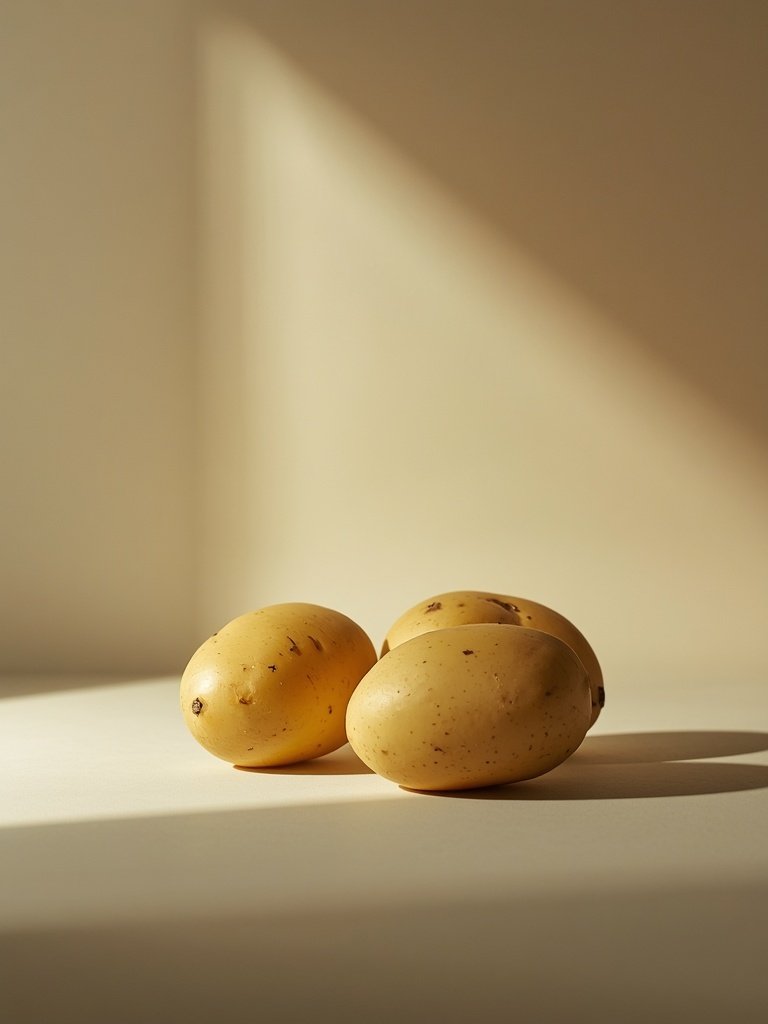
Table of Contents 3
Medical & Editorial Disclaimer (§3 Terms): This article is for informational and educational purposes only, does not constitute medical advice, diagnosis, or treatment, and is used at your own risk. Consult a qualified physician for medical conditions.
The biosynthesis of glycoalkaloids, including solanine and chaconine, serves as a protective response against mechanical damage, pathogens, and light exposure. These compounds possess remarkable thermal stability, meaning that standard culinary methods like boiling, frying, or baking do not fully neutralize them. Ingesting tubers with elevated alkaloid concentrations can trigger toxicological reactions, predominantly manifesting as gastrointestinal distress and systemic neurological discomfort depending on individual sensitivity.
To safeguard health while enjoying potato-based dishes, simple kitchen practices can effectively reduce exposure to these harmful substances. Consumers are advised to discard sprouted, shriveled, or prominently green-stained parts of the tuber before cooking. Furthermore, storing potatoes in a cool, dark environment substantially slows down glycoalkaloid buildup, allowing individuals to benefit from the nutritional value of prepared dishes safely.
Glycoalkaloidal solanine compound (TGA) within Solanaceae plant matrices
Thermal Stability and Glycoalkaloid (TGA) Content in Potatoes: Factors Influencing Solanine Accumulation in Tubers
Glycoalkaloid-induced toxic syndrome from potato consumption (solanine and chaconine)
Want to apply these guidelines in your daily diet?
Our smart diet generator creates a tailored meal plan in 3 minutes based on the recommendations in this article.
Tags

Wojciech Wiśniewski
• 24.09.2026Diets Premium Expert
Diets Premium team expert. Specializes in nutrition plans, strength sports, and training plans.