Sheep cheese – properties, nutritional value, and health benefits: an analysis of the ingredients and benefits of sheep's milk
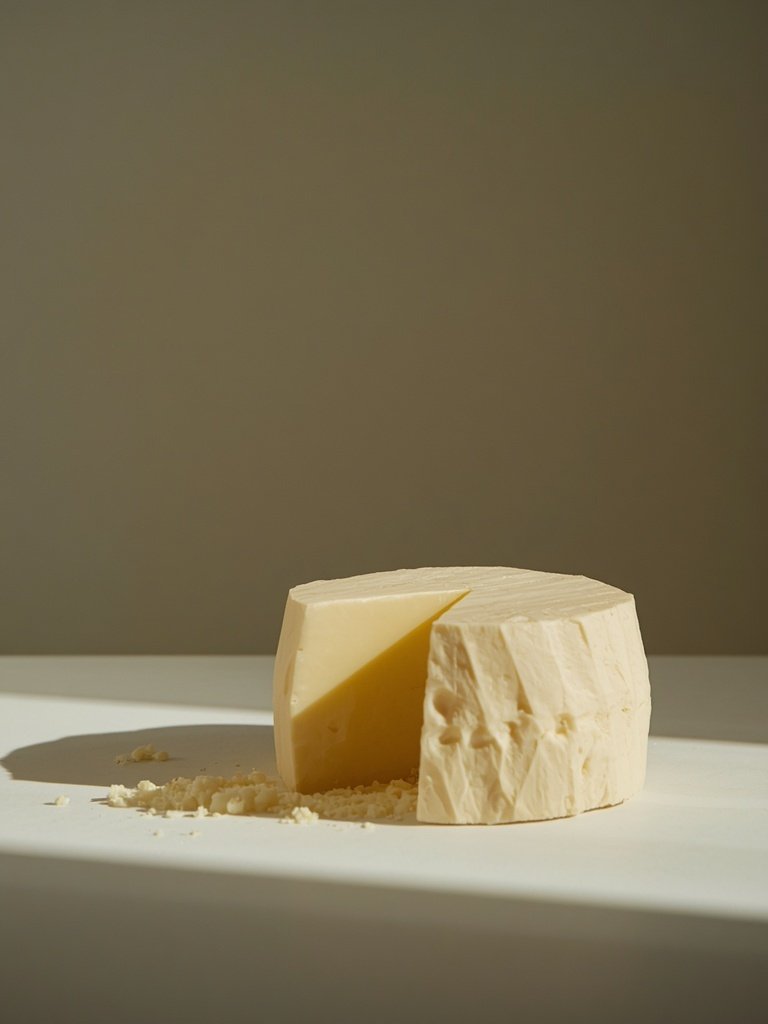
Table of Contents 3
Medical & Editorial Disclaimer (§3 Terms): This article is for informational and educational purposes only, does not constitute medical advice, diagnosis, or treatment, and is used at your own risk. Consult a qualified physician for medical conditions.
The core physiological strength of ovine cheese lies in its abundance of conjugated linoleic acid alongside short- and medium-chain fatty acids, which provide clean metabolic energy. A crucial digestive advantage stems from its casein architecture, predominantly featuring A-two beta-casein and smaller fat globules, which promote smooth enzymatic breakdown and lessen gastrointestinal irritation. Furthermore, the presence of antimicrobial bioactive peptides and highly bioavailable calcium works synergistically to nurture gut microbiota, enhance immune defense, and support skeletal integrity.
Incorporating iconic varieties such as Greek feta, Italian Pecorino, Spanish Manchego, or regional Carpathian specialties like bryndza into daily meals offers a convenient way to elevate dietary quality. These artisanal cheeses serve as nutrient-dense additions to fresh salads, roasted vegetables, and grain dishes. Enjoying these traditional dairy products in moderation allows individuals to diversify their nutrient intake while enjoying superior digestive tolerance and rich culinary traditions.
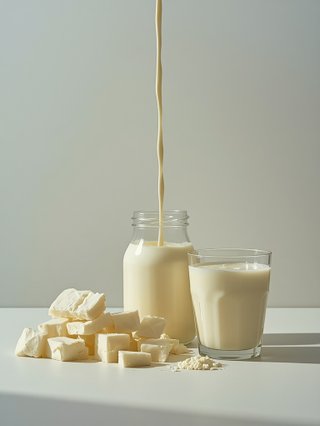
Cheeses crafted from ovine (sheep's) milk have sustained pastoral cultures across the Mediterranean basin and European highlands for millennia. Ovine milk diverges fundamentally from bovine dairy: it boasts nearly double the protein and lipid concentration, producing cheeses celebrated for deep, complex sensory profiles and superior nutritional density. From regional Carpathian bryndza and smoked oscypek to authentic Greek feta, aged Italian Pecorino, and Spanish Manchego, sheep cheeses serve as extraordinary reservoirs of conjugated linoleic acid (CLA), bioavailable calcium, fat-soluble vitamins, and antimicrobial peptides supporting gut health.
Traditional Sheep Cheeses: From Carpathian Oscypek to Pecorino, Feta, and Manchego
The artisanal universe of ovine dairy reflects centuries of artisanal mastery. In Central Europe, the cultural crown belongs to smoked Carpathian oscypek and creamy, pungent bryndza (the first Polish product awarded EU Protected Designation of Origin). In Greece, authentic brine-matured Feta is produced predominantly from pure sheep's milk (with an allowance of up to 30% goat milk). Italy celebrates aged, crystalline Pecorino (Romano, Sardo, Toscano), the indispensable soul of Roman pasta classics carbonara and cacio e pepe. Spain treasures iconic Queso Manchego, crafted from Manchega sheep milk in La Mancha and aged into profound savory complexity.
Nutritional Architecture: Conjugated Linoleic Acid (CLA), Calcium, and Medium-Chain Lipids
Sheep's milk cheeses constitute a remarkable reservoir of bioactive functional lipids and essential minerals. Foremost among them is conjugated linoleic acid (CLA), a bio-compound with established anticarcinogenic, anti-atherosclerotic, and body-composition optimizing properties. Ovine lipids are exceptionally rich in short- and medium-chain fatty acids (caproic, caprylic, capric acids), which undergo rapid portal absorption and hepatic oxidation for clean energy without adipose accumulation. Moreover, sheep cheeses supply up to 50% more bioavailable calcium, phosphorus, zinc, cobalamin (B12), and folate than corresponding bovine dairy products.
Health Benefits: Hypoallergenic Traits, Microbiome Enrichment, and Lactose Tolerance
Many individuals suffering digestive discomfort from bovine dairy thrive upon introducing sheep's milk cheeses. This superior tolerance is rooted in casein genetics: sheep milk predominantly features A2-type beta-casein (unlike pro-inflammatory A1 beta-casein prevalent in Holstein cow milk), preventing the enzymatic release of beta-casomorphin-7 (BCM-7) which triggers intestinal distress. Furthermore, ovine fat globules are smaller, facilitating frictionless enzymatic breakdown. Throughout extended aging (as in mature Pecorino or Manchego), lactic acid bacteria ferment residual lactose to undetectable levels, rendering them naturally lactose-free. Traditional raw-milk bryndza additionally operates as a living probiotic delivering beneficial lactic acid flora.
Want to apply these guidelines in your daily diet?
Our smart diet generator creates a tailored meal plan in 3 minutes based on the recommendations in this article.
Tags

Sophia Williams
• 23.10.2026Diets Premium Expert
Diets Premium team expert. Specializes in nutrition plans, strength sports, and training plans.