5 min read

Sea and table salt - their properties and usage
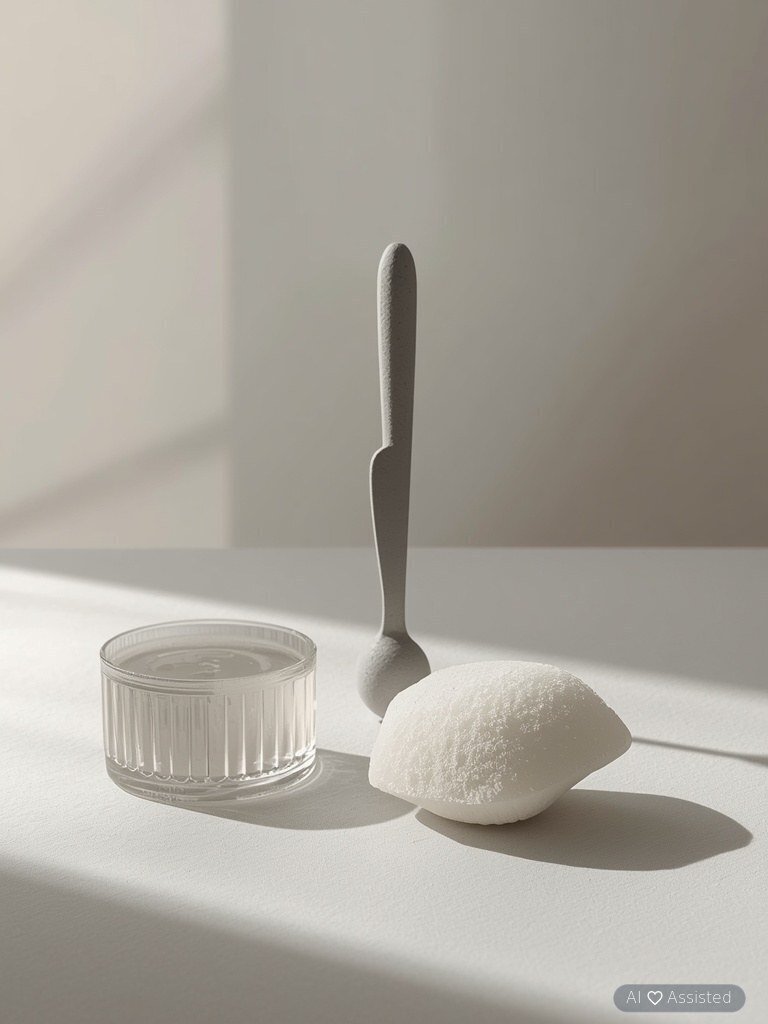
Sea and table salt - their properties and usage
1 photo
778

Smart Voice

AI
0:00
0:00
Listen to the article content live
Table of Contents 5
These days, we pay closer attention to what we eat. We try to choose healthy and minimally processed products. We believe that saltless foods are also tasteless. That's why salt has become an indispensable spice on the table. The most commonly used salt is rock salt in the form of table salt, but we increasingly try to replace it with a healthier one, according to popular opinion, sea salt. Do we really benefit from this? Is it a conscious choice or just media hype? Are we making the right choice?
01 / 05

A comparative analysis of sea salt and table salt: composition, origin, and sensorial characteristics

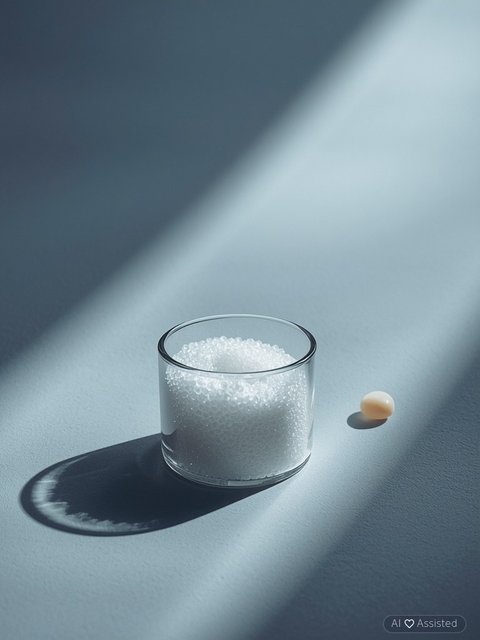
Despite both sea salt and table salt containing a comparable sodium concentration of approximately 40%—and thus exerting a similar physiological impact—they differ significantly in terms of extraction methods, organoleptic properties, and the presence of supplementary nutritional components. Sea salt is produced through the natural evaporation of seawater, a process that preserves a broader array of minerals such as magnesium, calcium, and potassium, which collectively influence its coloration and flavor complexity. In contrast, rock salt is mined from subterranean halite deposits and may be consumed either in its unrefined state (referred to as natural salt) or after undergoing chemical purification (resulting in evaporated salt, commonly known as table salt). The divergent mineral compositions of these two salt varieties stem from the distinct geological origins of their source materials.
02 / 05

Distinctive traits and chemical composition of marine-derived sea salt

To fully grasp its characteristics, one must examine its precise chemical makeup, which—interestingly—is depicted variably across different sources. A comprehensive breakdown of a 100-gram sample reveals the following primary constituents: chloride ranging from 51.6 to 55.8 grams, sodium between 33.10 and 35.30 grams, magnesium at concentrations of 0.38–0.68 grams, calcium within 0.04–0.18 grams, potassium spanning 0.08–0.18 grams, and sulfates present at 0.87–2.10 grams. Commercially, sea salt is predominantly available as crystalline granules, packaged in grinders fitted with ceramic grinding mechanisms. It is critical to note that due to its unrefined nature, this product may contain trace amounts of potentially toxic heavy metals; however, their concentrations are sufficiently negligible to pose no discernible risk to human health.
03 / 05

Distinctive characteristics, chemical composition, and manufacturing processes of table salt

Commonly referred to as table salt—that is, the finely granulated, processed variant available in powder form—this substance represents a high-purity, refined derivative of rock salt, which in its unprocessed, natural state is found within geological deposits. The purification procedure systematically eliminates various mineral impurities, including naturally occurring iodine, which is subsequently often deliberately reintroduced in the form of synthetic potassium iodide (KI) during later stages of production. Furthermore, to prevent caking and maintain the free-flowing properties of the final product, specialized anti-caking agents such as magnesium carbonate (E504) or silicon dioxide (E551) are incorporated into the formulation.
04 / 05

The Multifaceted Applications of Table Salt and Beyond

While commonly perceived primarily as an indispensable culinary ingredient, salt—both table salt and its various forms—plays a pivotal role across a broad spectrum of everyday applications far beyond cooking. Its uses extend into domestic cleaning, natural food preservation techniques, and even advanced cosmetic treatments. As a highly effective cleaning agent, salt eliminates stubborn stains from fabrics, carpets, and metallic surfaces, neutralizing residues left by wine, rust, ink, or cosmetic products. In horticulture and floral arrangements, it serves as a natural preservative, significantly prolonging the freshness of cut flowers. Its insect-repellent properties, particularly against ants, position it as an eco-friendly alternative to chemical pesticides. Within cosmetology, salt’s rich mineral composition makes it a foundational component in exfoliating scrubs, relaxing bath additives, and purifying facial masks that deeply hydrate the skin, stimulate microcirculation, and facilitate bodily detoxification. Furthermore, unrefined rock salt is employed in transportation as a de-icing agent on frozen roads, enhancing winter road safety. Its versatility, widespread availability, and affordability render it an irreplaceable household staple in every home.
05 / 05

The Health Implications of Salt Consumption: A Scientific Review and Expert Recommendations

Excessive intake of sodium—the primary component of table salt—leads to fluid retention within the body, thereby contributing to the development of hypertension, a serious health risk that significantly increases the likelihood of heart attacks and strokes. Nevertheless, complete elimination of salt from the diet is likewise not advisable unless medically prescribed. Sodium plays a critical role in neural transmission, muscle contraction, and adrenal gland function, whereas chloride ions facilitate digestive processes, including the synthesis of enzymes essential for protein and carbohydrate metabolism. According to data from the National Institute of Food and Nutrition in 2009, the average daily salt consumption in Poland reached 11.5 grams, with rural households consuming as much as 14 grams—far exceeding the World Health Organization’s recommended limit of 5 grams (equivalent to one level teaspoon). Research published in the prestigious *Journal of the American Medical Association* (JAMA) introduces nuanced perspectives that partially challenge conventional views on the harms of salt, though these findings do not alter dietary guidelines for individuals with hypertension or cardiovascular diseases, for whom reduced salt intake remains imperative.
Meal Plan

Want to apply these guidelines in your daily diet?

Our smart diet generator creates a tailored meal plan in 3 minutes based on the recommendations in this article.

Julia Wójcik
Scientifically reviewed by a clinical dietitian • 24.09.2026

Julia Wójcik

Diets Premium Expert

Diets Premium team expert. Specializes in nutrition plans, strength sports, and training plans.

USDA FoodData Central EFSA PubMed Clinical Guidelines

Loading
Recommended articles in this category

Related Articles

Discover similar publications and expert insights.

5 Categories of Supposedly Healthy Foods That Ruin Your Diet
Nutritional Awareness
5 Categories of Supposedly Healthy Foods That Ruin Your Diet
⏱ 7 min czytania
#Nutritional Awareness #Healthy Eating
Nutrient-Dense High-Calorie Foods: Caloric Density, Portion Control, and Energy Balance
Weight Gain
Nutrient-Dense High-Calorie Foods: Caloric Density, Portion Control, and Energy Balance
⏱ 1 min czytania
#Weight Gain #Healthy Diet
Are soy products beneficial? Soy protein, processed foods, culinary ideas
Disease Prevention
Are soy products beneficial? Soy protein, processed foods, culinary ideas
⏱ 6 min czytania
#Disease Prevention #Processed Foods
Use of magnesium chloride as a beverage, for baths, and for application on joints
Sea Salt
Use of magnesium chloride as a beverage, for baths, and for application on joints
⏱ 4 min czytania
#Sea Salt #Magnesium
The Healing Impact of Coastal Microclimates and Salt Caves: Aerosol Halotherapy and Neuroendocrine Recovery
Sea Salt
The Healing Impact of Coastal Microclimates and Salt Caves: Aerosol Halotherapy and Neuroendocrine Recovery
⏱ 2 min czytania
#Sea Salt
Salt Grottos: Characteristics, Contraindications and Proper Use
Sea Salt
Salt Grottos: Characteristics, Contraindications and Proper Use
⏱ 5 min czytania
#Sea Salt
Natural Homemade Scrubs: Coffee, Cane Sugar, Sea Salt, and Almonds – A Dermatological Exfoliation Guide
Natural Ingredients
Natural Homemade Scrubs: Coffee, Cane Sugar, Sea Salt, and Almonds – A Dermatological Exfoliation Guide
⏱ 6 min czytania
#Natural Ingredients #Homemade
Does Excess Adipose Tissue Impede Muscle Mass Development?
Sedentary Lifestyle
Does Excess Adipose Tissue Impede Muscle Mass Development?
⏱ 4 min czytania
#Sedentary Lifestyle #Muscle Mass
The Effects of Resistance Training on the Course of Cancer Treatment
Resistance Training
The Effects of Resistance Training on the Course of Cancer Treatment
⏱ 4 min czytania
#Resistance Training #Physical Activity
Anchois – Small Fish Similar to Sardines
Processed Snacks
Anchois – Small Fish Similar to Sardines
⏱ 2 min czytania
#Processed Snacks #Processed Foods
Apples - their beneficial and slimming attributes
Processed Foods
Apples - their beneficial and slimming attributes
⏱ 2 min czytania
#Processed Foods #Desserts
Highly processed foodstuffs – Definition and examples of less valuable food products
Nutrition
Highly processed foodstuffs – Definition and examples of less valuable food products
⏱ 3 min czytania 📚 Nutrition
#Processed Food #Processed Foods
Nutritional Aid for Non-Infectious Inflammatory Bowel Disease – Does the Low-Carbohydrate Diet Really Work?
Low-Carb
Nutritional Aid for Non-Infectious Inflammatory Bowel Disease – Does the Low-Carbohydrate Diet Really Work?
⏱ 7 min czytania 📚 Low-Carb
#Processed Foods #Low-carbohydrate Diet
The obesity-depression nexus: Interdependent mechanisms and escalating co-prevalence
Mental & Brain
The obesity-depression nexus: Interdependent mechanisms and escalating co-prevalence
⏱ 4 min czytania 📚 Mental & Brain
#Dietary Modifications #Dietary Patterns
Visceral Adiposity in Males and Females: The Interplay of Nutritional Habits and Hormonal Regulation
Health Conditions
Visceral Adiposity in Males and Females: The Interplay of Nutritional Habits and Hormonal Regulation
⏱ 4 min czytania 📚 Health Conditions
#Dietary Interventions #Hormonal Regulation
Hyponatremia – identifying and addressing sodium insufficiency in the body: symptoms, underlying causes, and evidence-based repletion methods
Sodium In Processed Meats
Hyponatremia – identifying and addressing sodium insufficiency in the body: symptoms, underlying causes, and evidence-based repletion methods
⏱ 3 min czytania
#Sodium In Processed Meats #Processed Foods
Revised World Health Organization Benchmarks for Free Sugar Intake: An Examination of the Updated Dietary Guidelines Issued in 2014
Processed Foods
Revised World Health Organization Benchmarks for Free Sugar Intake: An Examination of the Updated Dietary Guidelines Issued in 2014
⏱ 2 min czytania
#Processed Foods #Nutritional Guidelines

Restoring hepatic vitality: evidence-based nutritional approaches, herbal remedies, and natural strategies for enhancing liver cell regeneration
Fat-Soluble Vitamins
Restoring hepatic vitality: evidence-based nutritional approaches, herbal remedies, and natural strategies for enhancing liver cell regeneration
⏱ 5 min czytania
#Fat-soluble Vitamins #Essential Nutrients
Surimi Crab Sticks – Technological Composition, Nutritional Value, Market Price, and Culinary Recipes
Food & Ingredients
Surimi Crab Sticks – Technological Composition, Nutritional Value, Market Price, and Culinary Recipes
⏱ 5 min czytania 📚 Food & Ingredients
#Nutritional Composition #Omega-3 Fatty Acids
Type 2 Diabetes Mellitus - indicators, blood sugar standards -- recommended foods for diabetes management
Processed Foods
Type 2 Diabetes Mellitus - indicators, blood sugar standards -- recommended foods for diabetes management
⏱ 3 min czytania
#Processed Foods #Diabetes Type 2
Candida albicans: symptoms, treatment, diet, and tests for detecting yeast causing the fungal infection
Processed Foods
Candida albicans: symptoms, treatment, diet, and tests for detecting yeast causing the fungal infection
⏱ 8 min czytania
#Processed Foods #Antibiotic
Paleo diet – permitted and prohibited ingredients and a sample recipe
Processed Foods
Paleo diet – permitted and prohibited ingredients and a sample recipe
⏱ 5 min czytania
#Processed Foods #Paleo Diet
The nutritional guidelines, culinary suggestions, and assessments of Anna Lewandowski
Lifestyle
The nutritional guidelines, culinary suggestions, and assessments of Anna Lewandowski
⏱ 7 min czytania 📚 Lifestyle
#Processed Foods #Metabolic Disorders
Sugar-free diet - outcomes and recipes. What foods should be included in a sugar-free eating plan?
Food & Ingredients
Sugar-free diet - outcomes and recipes. What foods should be included in a sugar-free eating plan?
⏱ 2 min czytania 📚 Food & Ingredients
#Processed Foods #Sugar-free Diet
Vegan cheese – ingredients and production methods. How to make vegan cheese at home?
Processed Foods
Vegan cheese – ingredients and production methods. How to make vegan cheese at home?
⏱ 4 min czytania
#Processed Foods #Plant-based
Diet for Atherosclerosis: Guidelines and Beneficial Herbs

Processed Foods
Diet for Atherosclerosis: Guidelines and Beneficial Herbs

⏱ 5 min czytania
#Processed Foods #Dietary Habits
High-Fiber Diet: Principles, Products, Indications, and Limitations
Dietary Modifications
High-Fiber Diet: Principles, Products, Indications, and Limitations
⏱ 4 min czytania
#Dietary Modifications #Physical Activity
Lutein – Properties, Natural Dietary Sources, and Ocular Benefits: A Comprehensive Guide to Carotenoid Health
Functional Foods
Lutein – Properties, Natural Dietary Sources, and Ocular Benefits: A Comprehensive Guide to Carotenoid Health
⏱ 4 min czytania 📚 Functional Foods
#Fermented Beverages #Health Benefits
Wild rose hips: A comprehensive analysis of bioactive constituents, preservation via drying methods, and prospective utilizations in nutritional and herbal medicine
Food & Ingredients
Wild rose hips: A comprehensive analysis of bioactive constituents, preservation via drying methods, and prospective utilizations in nutritional and herbal medicine
⏱ 4 min czytania 📚 Food & Ingredients
#Herbal Medicine #Processed Foods
Plant Polyphenols: Potent Antioxidants Neutralizing Free Radicals and Combating Oxidative Stress
Processed Foods
Plant Polyphenols: Potent Antioxidants Neutralizing Free Radicals and Combating Oxidative Stress
⏱ 4 min czytania
#Processed Foods #Chronic Diseases

Share