Rice noodles (rice dumplings) – types, nutritional values, glycemic index, and recipes
Table of Contents 4
Medical & Editorial Disclaimer (§3 Terms): This article is for informational and educational purposes only, does not constitute medical advice, diagnosis, or treatment, and is used at your own risk. Consult a qualified physician for medical conditions.
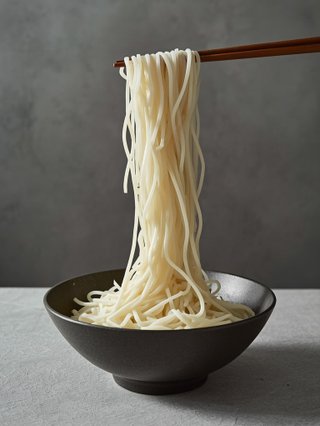
The secret to perfect rice noodles lies in their correct preparation, whether it's a brief soak for soups and salads or a longer pre-soak for stir-fries to prevent stickiness. There is a wide array of rice noodle varieties, from delicate vermicelli threads ideal for fresh summer rolls, to broad ribbons designed for high-heat wok cooking. Brown rice noodles, made from whole grains, additionally offer higher dietary fiber content and may contribute to a more stable glycemic response.
For daily use, rice noodles provide a quick and healthy option. Ensure not to overcook them to maintain their ideal consistency. They excel in iconic dishes such as Thai Pad Thai or Vietnamese Pho, where they beautifully absorb the flavors of broths and sauces. Their gentle digestibility also makes them a suitable choice for individuals with sensitive stomachs or specific dietary considerations.
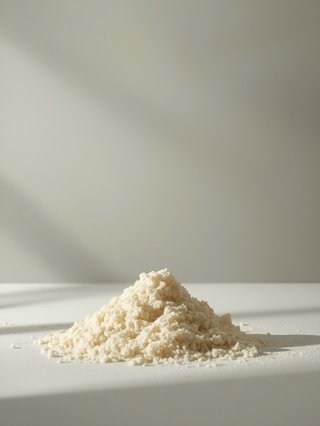
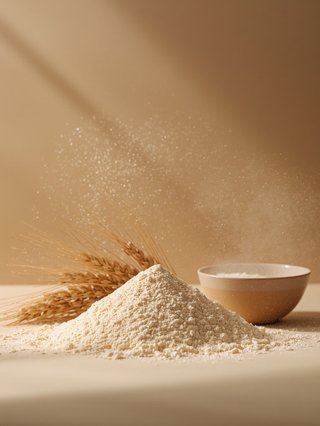
Rice noodles constitute an indispensable pillar of Asian culinary heritage (Thai, Vietnamese, Chinese), prepared from milled rice flour and pure water. Inherently 100% gluten-free, easily digestible, and devoid of saturated fats or dietary cholesterol, they offer a delicate culinary canvas. Spanning delicate vermicelli threads to broad ribbons engineered for wok searing, rice noodles anchor world-famous dishes such as Thai Pad Thai and Vietnamese Pho broth.
Varieties of Rice Noodles and Production Methods
Rice noodles encompass diverse culinary formats tailored to specialized cooking techniques:
- Rice vermicelli – delicate thin threads optimal for fresh summer rolls, chilled salads, and clear broths.
- Broad flat rice ribbons – ranging from 3 to 10 mm in width, engineered for high-heat wok stir-fries like Pad Thai and Pad See Ew.
- Brown rice noodles – whole-grain variants preserving bran layers, yielding higher dietary fiber and lower glycemic responses.
Nutritional Value, Caloric Density, and Digestive Tolerance
Nutritionally, rice noodles represent exceptional digestive gentleness:
- Caloric density – dry noodles provide ~350 kcal/100 g; upon boiling, water uptake reduces cooked density to merely 105–110 kcal per 100 g.
- Lipid profile – less than 0.5% fat with zero dietary cholesterol, ideal for cardiac and hepatic diets.
- Digestive comfort – rice starch is the most bioavailable, non-irritating cereal starch, certified low-FODMAP and optimal for sensitive stomachs.
How to Properly Prepare Rice Noodles – Soaking and Boiling Methods
The chief culinary mishap is overcooking rice noodles into a gummy starch paste:
- Soaking for soups and salads – thin vermicelli requires no active boiling; simply submerge in boiling water for 3–5 minutes off heat, then shock in cold water.
- Pre-soaking for wok stir-fries – broad ribbons should be soaked in lukewarm water for 30–45 minutes until pliable yet firm, finishing in the searing wok with sauce for just 1–2 minutes.
Asian Culinary Masterpieces – Iconic Pad Thai and Vietnamese Pho
Two quintessential global recipes celebrating rice noodles:
Authentic Thai Pad Thai:
- Sauté wild shrimp, firm tofu, garlic, and eggs in a sizzling wok; toss in soaked rice noodles with tamarind sauce, palm sugar, and bean sprouts. Serve topped with crushed peanuts and fresh lime.
Vietnamese Pho Bo:
- Layer tender cooked rice noodles into deep bowls, top with thinly sliced beef, and ladle over scalding aromatic bone broth infused with star anise and cinnamon, garnished with cilantro and scallions.
Want to apply these guidelines in your daily diet?
Our smart diet generator creates a tailored meal plan in 3 minutes based on the recommendations in this article.

Mia Hoffmann
Diets Premium Expert
Diets Premium team expert. Specializes in nutrition plans, strength sports, and training plans.