Rice flour – properties, price, how to make at home and proven culinary recipes
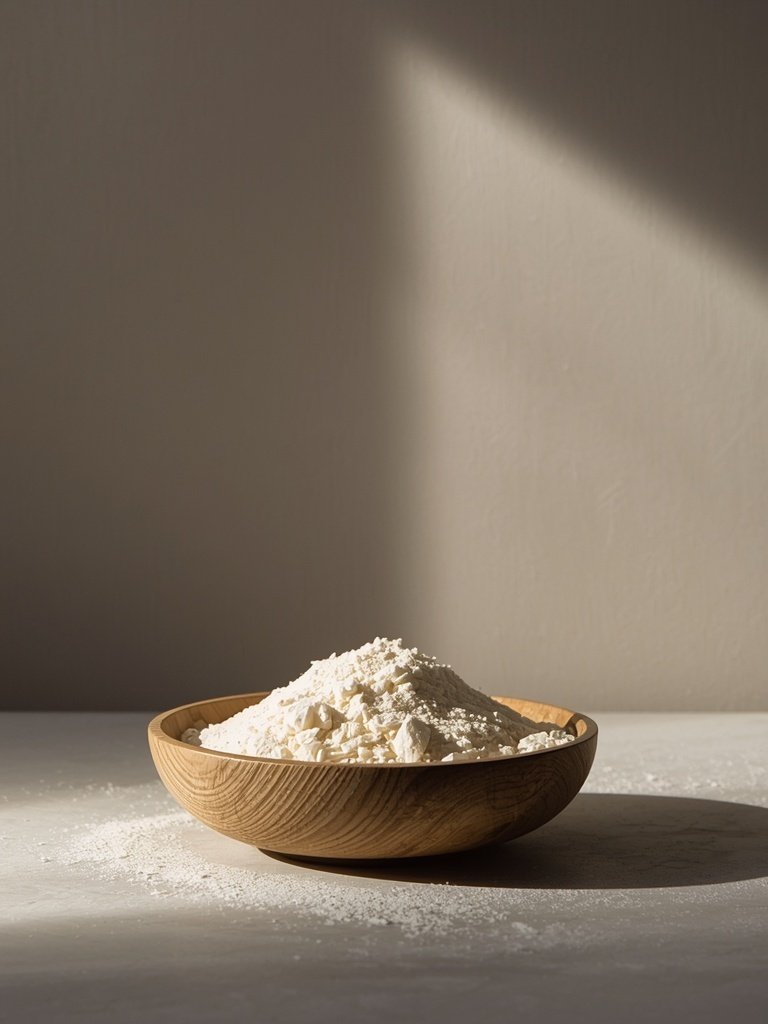
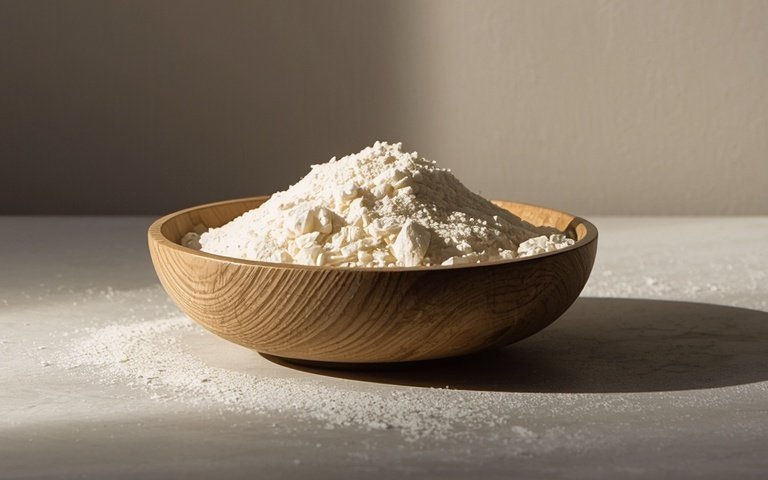
Table of Contents 4
Medical & Editorial Disclaimer (§3 Terms): This article is for informational and educational purposes only, does not constitute medical advice, diagnosis, or treatment, and is used at your own risk. Consult a qualified physician for medical conditions.
The physiological benefits vary depending on whether the flour is milled from polished white rice or whole brown rice kernels, with the former offering rapid digestibility and the latter contributing valuable dietary fiber and micronutrients. Its inherent hypoallergenic profile and neutral flavor ensure that it integrates smoothly into various recipes without overpowering other ingredients. By supplying complex carbohydrates, it supports steady energy levels while maintaining a light and allergen-friendly nutritional approach.
Practical application in daily cooking involves selecting appropriate rice cultivars for specific dishes, such as using sweet rice for chewy confections or long-grain varieties for delicate batters. Home preparation is easily achieved by soaking, drying, and high-speed milling clean grains, followed by proper storage in airtight containers to prevent oxidation. Incorporating rice flour into crispy coatings, crepes, and baked goods allows home cooks to explore creative recipes while maintaining a balanced and nourishing diet.
This article is professional premium content (PRO) provided in its entirety.
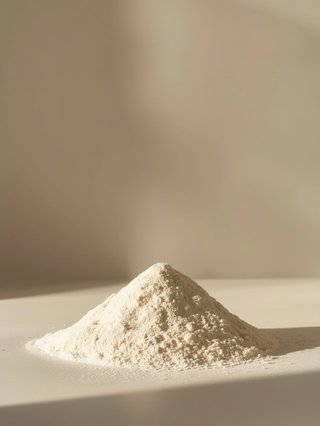
Rice flour, milled from polished white or whole brown rice kernels (Oryza sativa), is among the world's most ubiquitous and functional gluten-free flours. Celebrated for its gentle hypoallergenic digestibility, neutral flavor profile, and low sodium density, it functions effortlessly across sweet and savory applications. It is the cornerstone of Japanese mochi confections, crisp tempura batters, and wholesome baking blends for celiac and wheat-allergic individuals.
Nutritional Attributes of White and Brown Rice Flour
Nutritional composition diverges based on milling provenance:
- White rice flour – snow-white and ultra-fine, comprising ~80% easily assimilable starch; ideal for acute gastrointestinal recovery and low-residue diets.
- Brown rice flour – whole-grain milling preserving bran and germ, delivering dietary fiber (~4.5 g/100 g), B-vitamins, magnesium, and zinc.
- Inherent gluten-free safety – hypoallergenic integrity safe for celiac enteropathy.
How to Make Rice Flour at Home – Step-by-Step Guide
Milling rice flour at home is straightforward and cost-effective:
- Rice cultivar selection – long-grain jasmine or basmati produces tender crumb structures, while glutinous sweet rice is required for chewy mochi.
- Soaking and drying technique – rinse and soak rice in cold water for 2 hours, drain thoroughly, and dry completely on towels. Hydration eases cell wall fracture into microfine flour.
- High-speed milling – process dry kernels in batches using a high-power blender for 60–90 seconds; sift through a fine mesh and regrind residues.
Pricing, Availability, and Storage Guidelines
Market economics and shelf life parameters:
- Commercial pricing – retails affordably at €1.80 to €3.00 per kilogram.
- Shelf storage – white rice flour stores stably for 12 months in airtight glass; brown rice flour should be consumed within 3–4 months or refrigerated to avoid germ oxidation.
Culinary Uses – Ultra-Crisp Tempura, Crepes, and Sponge Cakes
Rice flour unlocks signature textural culinary advantages:
- Crisp tempura batter – absorbs substantially less oil during deep-frying than wheat flour, creating shatteringly crisp coatings for shrimp and vegetables.
- Delicate crepes – produces featherweight, flexible breakfast crepes.
- Melt-in-mouth shortbread – blending into cookie dough yields delicate crumb tenderness.
Want to apply these guidelines in your daily diet?
Our smart diet generator creates a tailored meal plan in 3 minutes based on the recommendations in this article.
Tags

Anna Schmidt
• 23.10.2026Diets Premium Expert
Diets Premium team expert. Specializes in nutrition plans, strength sports, and training plans.