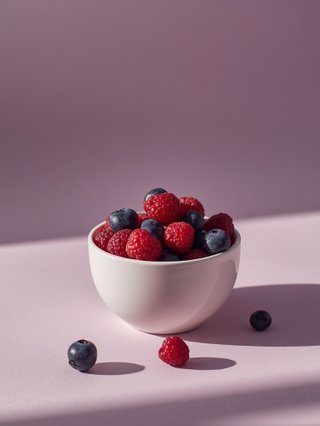
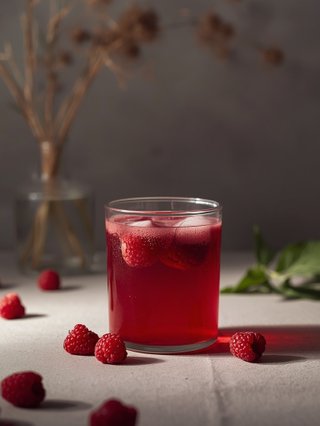
Raspberry characteristics – optimal methods for winter preservation
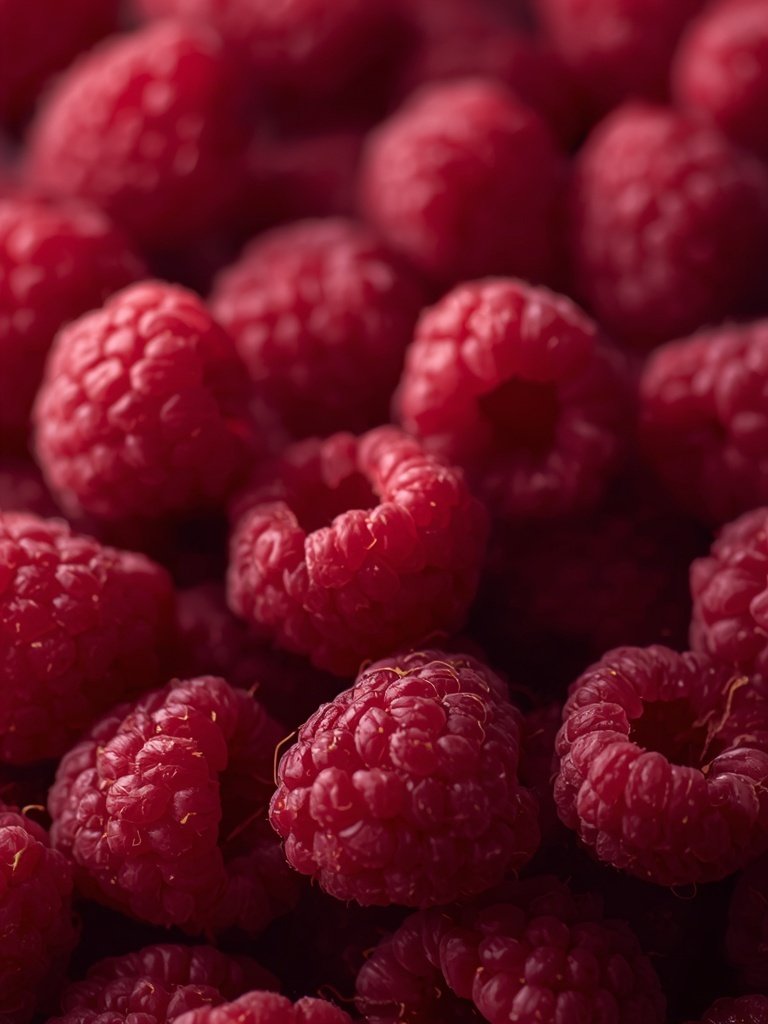
Table of Contents 7
Medical & Editorial Disclaimer (§3 Terms): This article is for informational and educational purposes only, does not constitute medical advice, diagnosis, or treatment, and is used at your own risk. Consult a qualified physician for medical conditions.
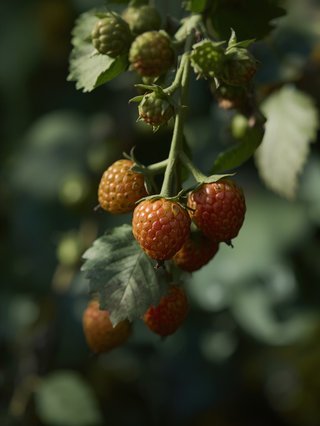
From a physiological standpoint, raspberries offer remarkable benefits rooted in their rich content of polyphenols, organic acids, and dietary fiber that collectively support digestive regularity and metabolic integrity. Their natural antioxidant compounds help mitigate oxidative stress within the body, while various plant components contribute to traditional wellness practices focused on maintaining internal balance. Furthermore, these fruits remain a gentle, nutrient-dense dietary choice that fits harmoniously into diverse nutritional approaches, including prenatal nutrition.
To enjoy these benefits throughout the entire year, individuals can easily transition from fresh summer consumption to preserving methods such as freezing or crafting homemade fruit preserves using natural sweeteners and fresh citrus juice. Incorporating these berries into daily meals provides a delicious way to enrich the diet with essential plant compounds during colder months. Embracing these culinary practices ensures a continuous supply of wholesome goodness without compromising on flavor or nutritional quality.
Fresh fruit and vegetables
Changes
The properties of raspberries
Can you eat them when you're pregnant?
It's a winter squash
Manufacture from materials of any heading, except that of iron or non-alloy steel, not further worked than hot-rolled (cold-reduced)
How many calories do raspberries contain?
Want to apply these guidelines in your daily diet?
Our smart diet generator creates a tailored meal plan in 3 minutes based on the recommendations in this article.
Tags

Literatura: Baranowska A., Radwańska K., Zarzecka K i wsp. Właściwości prozdrowotne owoców maliny właściwej ( Rubus idaeus L.). Probl Hig Epidemiol 2015, 96, 406409. Kohmunzer S., Farmakognozja. Podręcznik dla studentów farmacji. Wydawnictwo Lekarskie PZWL, Warszawa, 2007. Olga Smile, Przepis na dżem malinowy, [dostęp on-line 07.07.2018 r.] https://www.olgasmile.com/dzem-malinowy.html. Witkowska A., Zujko M. Aktywność antyoksydacyjna owoców leśnych. Bromat. Chem. Toksykol. 2009, 3, 900-903.
Diets Premium Expert
Diets Premium team expert. Specializes in nutrition plans, strength sports, and training plans.