Red palm oil: properties of raw unrefined oil, carotenoids, tocotrienols and industrial hydrogenated oil

Table of Contents 5
Medical & Editorial Disclaimer (§3 Terms): This article is for informational and educational purposes only, does not constitute medical advice, diagnosis, or treatment, and is used at your own risk. Consult a qualified physician for medical conditions.
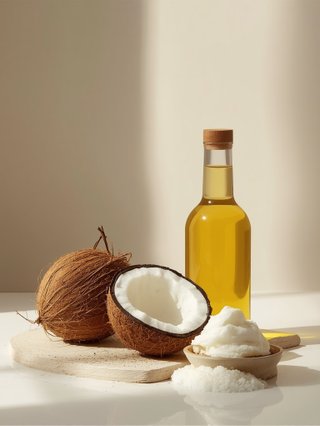
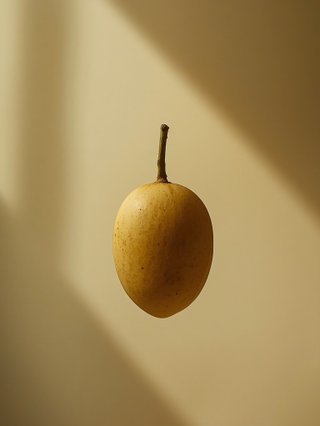
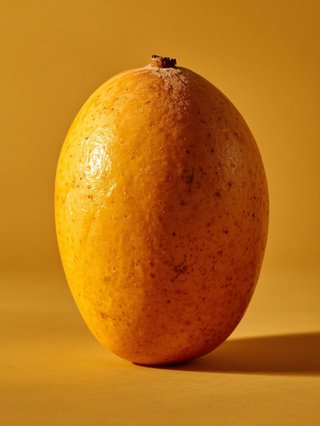
Unrefined red palm oil, extracted from the mesocarp of the oil palm fruit, stands out as an exceptionally rich botanical source of provitamin A carotenoids and a distinct fraction of tocotrienols, a potent form of vitamin E. These lipophilic antioxidants are largely destroyed during the aggressive industrial refining, bleaching, and deodorizing processes, which also introduce undesirable process contaminants.
For daily health and nutrition, the practical takeaway is to prioritize unrefined, virgin red palm oil, ideally sourced from certified sustainable practices. This type of palm oil can be a valuable addition to the diet, serving as a versatile cooking fat that imparts a characteristic color to dishes while delivering beneficial nutrients, unlike the industrially altered versions.
Within mainstream consumer perception, palm oil is widely vilified as an atherogenic, chemically bleached industrial trans-fat driving tropical rainforest deforestation. However, a rigorous biochemical line must separate refined, bleached, and deodorized (RBD) hydrogenated palm kernel oil from traditional virgin crude red palm oil cold-pressed from the mesocarp of Elaeis guineensis. Unrefined red palm oil represents the densest botanical reservoir of provitamin A carotenoids and unique tocotrienol-rich fractions (TRF). This monograph evaluates lipophilic antioxidant profiles, lipid kinetics, and sustainable certified extraction criteria.
Biochemical Profile: Alpha/Beta-Carotenes, Tocotrienol-Rich Fraction (TRF), and CoQ10
The intense ruby pigmentation of virgin red palm oil reflects an unparalleled antioxidant payload:
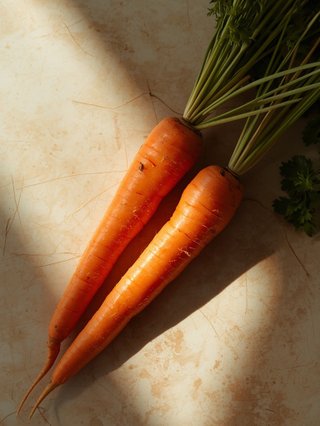
- Provitamin A Carotenoid Super-Concentration: Virgin mesocarp oil contains 500 to 700 mg/kg of total carotenoids (yielding 15 times the carotene density of carrots), dominated by alpha- and beta-carotene and lycopene, serving as a frontline weapon against xerophthalmia and blindness in developing territories.
- Tocotrienol-Rich Fraction (TRF): Upwards of 75% of its vitamin E complex exists as alpha-, gamma-, and delta-tocotrienols. Due to their unsaturated farnesyl isoprenoid side chains, tocotrienols demonstrate 40- to 60-fold greater lipid peroxyl radical clearance in cellular membranes compared to standard alpha-tocopherol.
- Endogenous Coenzyme Q10 and Phytosterols: Supplies substantial quantities of ubiquinone alongside campesterol and beta-sitosterol, promoting mitochondrial respiratory efficiency and competitive micellar cholesterol displacement.
- Absolute Absence of Trans Isomers: Cold mechanical extraction preserves native cis-configurations, completely devoid of toxic industrial trans-fatty acid contaminants.
Fatty Acid Architecture: Palmitic, Oleic, and Linoleic Fractions vs Vascular Health
The structural triglyceride matrix of virgin palm fruit exhibits balanced physicochemical properties:
- Balanced Equidistant Profile: Consists of approximately 50% saturated fatty acids (dominated by palmitic acid C16:0 at 44% and stearic acid at 4%), 40% monounsaturated oleic acid (identical to the hallmark fat of extra virgin olive oil), and 10% polyunsaturated linoleic acid.
- Thermal Stability and High Smoke Point: The structural resistance of palmitic acid synergized with lipophilic tocotrienols yields a smoke point exceeding 220°C (428°F), remarkably resistant to thermal thermo-oxidation, acrolein formation, and volatile toxic aldehyde generation during cooking.
- Cardiovascular Biomarkers: Controlled trials reveal that natural tocotrienols post-transcriptionally suppress hepatic 3-hydroxy-3-methylglutaryl-coenzyme A (HMG-CoA) reductase. Consequently, virgin red palm oil does not replicate the atherogenic dyslipidemia seen with industrial trans-hardened fats.
- Moderation in Hyperlipidemic Cohorts: Due to absolute palmitic saturation loads, individuals carrying familial hypercholesterolemia should practice caloric restraint within a diverse Mediterranean background.
Virgin Red vs Industrial Bleached Palm Fat: Refining Hazards and RSPO Certification
Discerning dietary practice requires discriminating traditional unrefined commodities from industrial fractions:
- Severe Industrial Refining Degradation: Producing odorless, neutral white palm fat demands aggressive physical bleaching and deodorization at 240°C to 260°C. This industrial processing completely vaporizes all carotenoids and tocotrienols while generating carcinogenic process contaminants: 3-monochloropropane-1,2-diol (3-MCPD) esters and glycidyl fatty acid esters (GE).
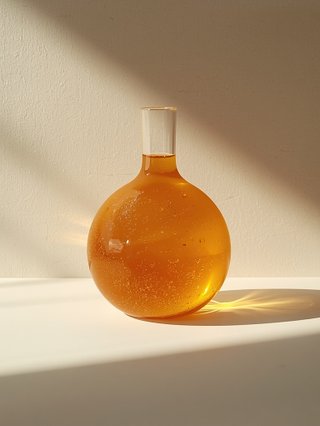
- Organoleptic Markers of Purity: Authentic virgin red palm oil features an opulent scarlet hue, semi-solid butter-like consistency below 24°C, and an earthy, carrot-like bouquet.
- Ecological Ethics and Certified RSPO Sourcing: To safeguard tropical biodiversity and avoid supporting peatland deforestation, consumers must mandate RSPO-certified (Roundtable on Sustainable Palm Oil) Identity Preserved or organic fair-trade certifications.
Unrefined palm oil composition
Unrefined palm oil use
Want to apply these guidelines in your daily diet?
Our smart diet generator creates a tailored meal plan in 3 minutes based on the recommendations in this article.
Tags

Isabella Taylor
• 25.11.2026Diets Premium Expert
Diets Premium team expert. Specializes in nutrition plans, strength sports, and training plans.