Rapeseed flower honey – analysis of bioactive ingredients, health benefits, and practical ways to use in diet and cosmetology
Table of Contents 3
Medical & Editorial Disclaimer (§3 Terms): This article is for informational and educational purposes only, does not constitute medical advice, diagnosis, or treatment, and is used at your own risk. Consult a qualified physician for medical conditions.
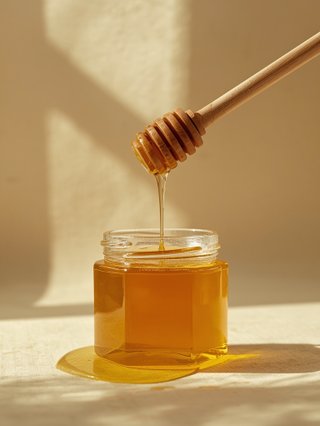
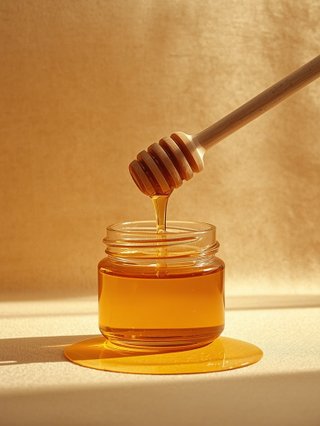
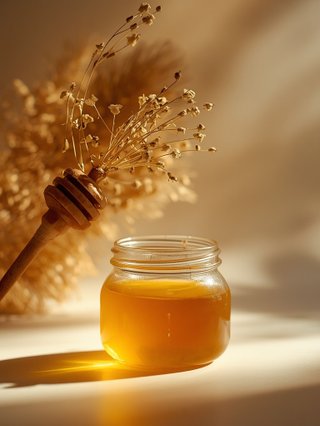
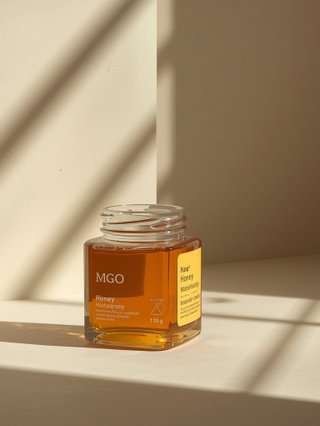
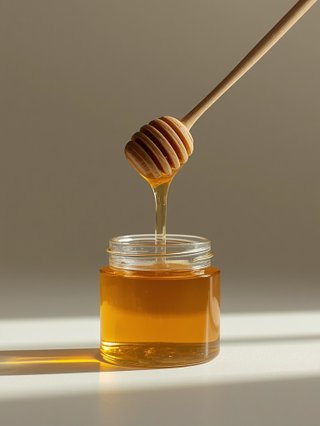
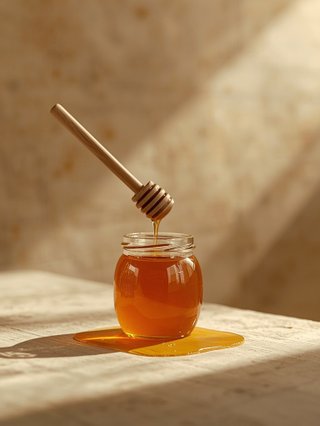
In its fresh liquid state, rapeseed honey displays a pale straw hue, yet it undergoes natural crystallization quite rapidly, transforming into a smooth, nearly white consistency. This physical transition is a hallmark of authenticity rather than a defect, as the crystallized product fully retains its beneficial bioactive compounds. Its nutritional profile is shaped directly by the botanical nectar source and includes mineral compounds, vitamins, essential oils, and a notable concentration of readily absorbed glucose. Because of this carbohydrate structure, it serves as an efficient, easily assimilated energy source that can nutritionally support individuals experiencing intense physical exertion, demanding mental stress, or periods of general recovery.
From a practical perspective, rapeseed honey should be appreciated as a wholesome functional food ingredient rather than viewed as a medicinal substance. Its gentle sweetness and creamy crystallized texture make it an ideal accompaniment to everyday meals, lukewarm beverages, and nourishing snacks for active individuals. Furthermore, its natural composition lends itself well to gentle cosmetic applications at home, offering a simple way to incorporate traditional European nectar products into both a balanced diet and a mindful skincare routine.
It's the honey of the rappeau
Rope honey composition
Properties and use of rapeseed honey
Want to apply these guidelines in your daily diet?
Our smart diet generator creates a tailored meal plan in 3 minutes based on the recommendations in this article.

Literatura: Maria Madejczyk, Danuta Baralkiewicz; Characterization of Polish rape and honeydew honey according to their mineral contents using ICP-MS and F-AAS/AES; Analytica Chimica Acta ; Volume 617, Issues 1–2 , 9 June 2008, Pages 11–17 Bogdan Kędziela i in., Aktywość antybiotyczna krajowych miodów odmianowych; Postępy Fitoterapii 2/2014 Katarzyna Basista; Właściwości biologiczne i prozdrowotne miodu oraz jego zastosowanie jako zdrowa żywność; GF marzec 2013
• 24.09.2026Diets Premium Expert
Diets Premium team expert. Specializes in nutrition plans, strength sports, and training plans.