Pumpkin seeds – health benefits, vitamins, nutritional value, and role in weight loss

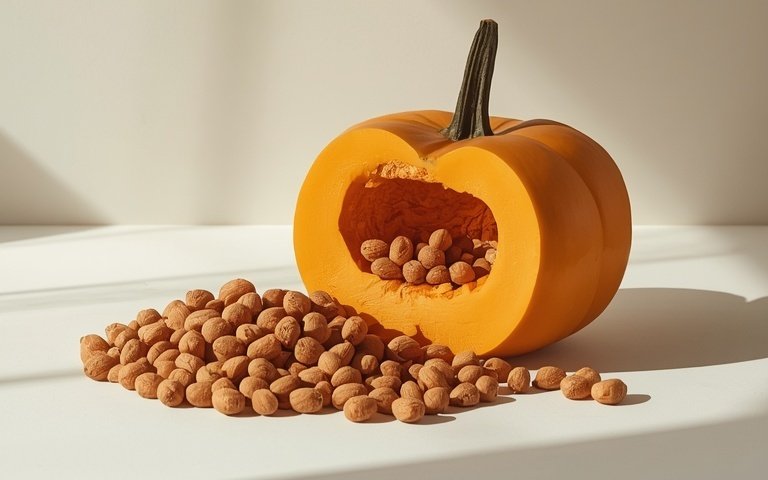
Table of Contents 4
Medical & Editorial Disclaimer (§3 Terms): This article is for informational and educational purposes only, does not constitute medical advice, diagnosis, or treatment, and is used at your own risk. Consult a qualified physician for medical conditions.
The physiological advantages of these seeds stem from a complex matrix of essential unsaturated fatty acids, plant-based proteins, and vital trace minerals. Magnesium and zinc play central roles in supporting neurological function and immune response, while phytosterols contribute to prostate and urinary tract health. Furthermore, the presence of fat-soluble antioxidants like vitamin E helps neutralize free radicals, thereby protecting cellular membranes and promoting healthy aging from within.
From a practical standpoint, pumpkin seeds are an exceptional ally for weight management and blood sugar regulation. Their low glycemic profile and fiber content promote prolonged satiety, making them an ideal addition to meals like salads or morning bowls to prevent energy crashes. By slowing down the absorption of carbohydrates, they help maintain steady glucose levels throughout the day, providing a sustainable way to manage hunger while nourishing the body with essential micronutrients.
Pumpkin seeds (the edible kernels of Cucurbita pepo), commonly incorporated into salads, porridge bowls, artisan breads, or enjoyed raw and lightly toasted as a snack, represent one of the most nutrient-dense plant foods in clinical dietetics.
Their remarkable biochemical profile combines high-quality plant protein (rich in L-tryptophan and L-arginine), essential unsaturated fatty acids (omega-6 and omega-9), tocopherols (vitamin E), phytosterols, and critical trace minerals including magnesium, zinc, iron, potassium, and selenium. What evidence-based health benefits do pumpkin seeds offer, and how can they support healthy weight loss?
Pumpkin seeds – health-promoting properties and biological activity
Regular consumption of pumpkin seeds exerts multifaceted physiological benefits driven by the synergy of trace minerals, unsaturated lipids, and bioactive phytosterols:
- Immune defense and dermatological health: thanks to abundant bioavailable zinc, selenium, and vitamin E, pumpkin seeds support T-lymphocyte maturation, accelerate tissue repair, regulate sebaceous gland activity, and strengthen hair follicles and nails.
- Urinary tract and prostate support: concentrated phytosterols (particularly beta-sitosterol) and squalene help alleviate lower urinary tract symptoms associated with benign prostatic hyperplasia (BPH) in men and support healthy bladder muscle tone.
- Natural antiparasitic activity: raw pumpkin seeds contain cucurbitin, a distinctive non-proteinogenic amino acid shown to paralyze intestinal helminths (such as tapeworms and pinworms), facilitating their safe expulsion from the digestive tract.
- Cardiovascular and lipid regulation: plant sterols and unsaturated fatty acids reduce intestinal cholesterol absorption, helping lower serum LDL cholesterol and protect vascular endothelial function.
Pumpkin seeds – vitamins and antioxidant compounds
Regarding their vitamin profile, pumpkin seeds are especially prized for lipid-soluble antioxidants (predominantly vitamin E and vitamin K) alongside a broad spectrum of B-complex vitamins:
- Vitamin E (tocopherols, notably gamma-tocopherol): a potent lipophilic antioxidant that shields polyunsaturated fatty acids within cell membranes against free-radical lipid peroxidation and cellular aging.
- B-complex vitamins: thiamine (B1), riboflavin (B2), niacin (B3, approx. 4.5–5 mg/100 g), pantothenic acid (B5), pyridoxine (B6), and folate (B9, approx. 58 µg/100 g). These coenzymes are essential for mitochondrial energy metabolism, nerve conduction, and neurotransmitter synthesis.
- Carotenoids and phenolic acids: lutein, zeaxanthin, and beta-carotene that protect macular health alongside phenolic antioxidants that combat systemic oxidative stress.
Pumpkin seeds – nutritional value, minerals, and essential fatty acids
A 100 g serving of hulled pumpkin seeds provides approximately 550–574 kcal, 24–30 g of plant protein, 46–49 g of lipids (over 80% of which are heart-healthy unsaturated fatty acids—linoleic acid omega-6 and oleic acid omega-9), and roughly 6 g of dietary fiber.
Pumpkin seeds rank among nature’s richest dietary sources of essential minerals and functional amino acids:
- Magnesium (approx. 550–590 mg/100 g): a single tablespoon (15 g) supplies over 20% of the daily magnesium requirement, supporting neuromuscular contractility, blood pressure regulation, and stress resilience.
- Zinc (approx. 7.5–10 mg/100 g): vital for male reproductive health (spermatogenesis and testosterone synthesis), immune competence, and insulin signaling.
- Non-heme iron (approx. 8.8 mg/100 g): an excellent iron source for vegetarians and vegans (best paired with vitamin C-rich vegetables to maximize intestinal absorption).
- L-tryptophan (approx. 570 mg/100 g): an essential amino acid that serves as the metabolic precursor to serotonin (supporting mood stability) and melatonin (regulating circadian sleep quality).
Pumpkin seeds and weight loss – how to include them in a calorie-controlled diet
Although pumpkin seeds are energy-dense per 100 g, consuming them in measured portions makes them a highly effective ally in weight reduction and low-glycemic meal planning:
- Low glycemic index (GI = 10–25) and prolonged satiety: adding pumpkin seeds to a carbohydrate-containing meal (such as oatmeal or vegetable cream soup) slows gastric emptying, blunts postprandial glucose and insulin spikes, and prevents rebound cravings.
- Recommended daily portion: during weight loss, an optimal serving is 15–30 g per day (1–2 tablespoons, approx. 85–170 kcal), preferably raw or lightly dry-toasted without added salt or refined oils.
Sprinkling a tablespoon of pumpkin seeds over daily salads, yogurt bowls, or soups effortlessly enriches your diet with bioavailable zinc, magnesium, iron, and unsaturated fats that sustain metabolic health and vitality.
Want to apply these guidelines in your daily diet?
Our smart diet generator creates a tailored meal plan in 3 minutes based on the recommendations in this article.
Tags

Laura Schneider
• 23.10.2026Diets Premium Expert
Diets Premium team expert. Specializes in nutrition plans, strength sports, and training plans.