Prickly pear seed oil: properties, applications, and reviews. Does it truly function as a natural Botox substitute?
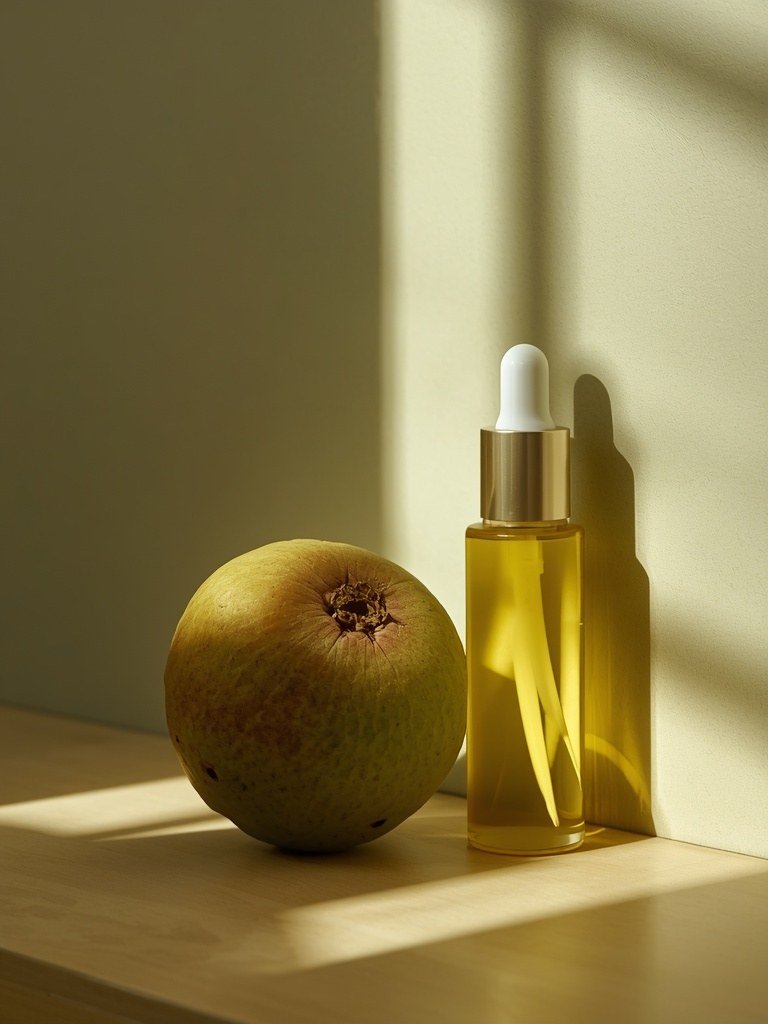
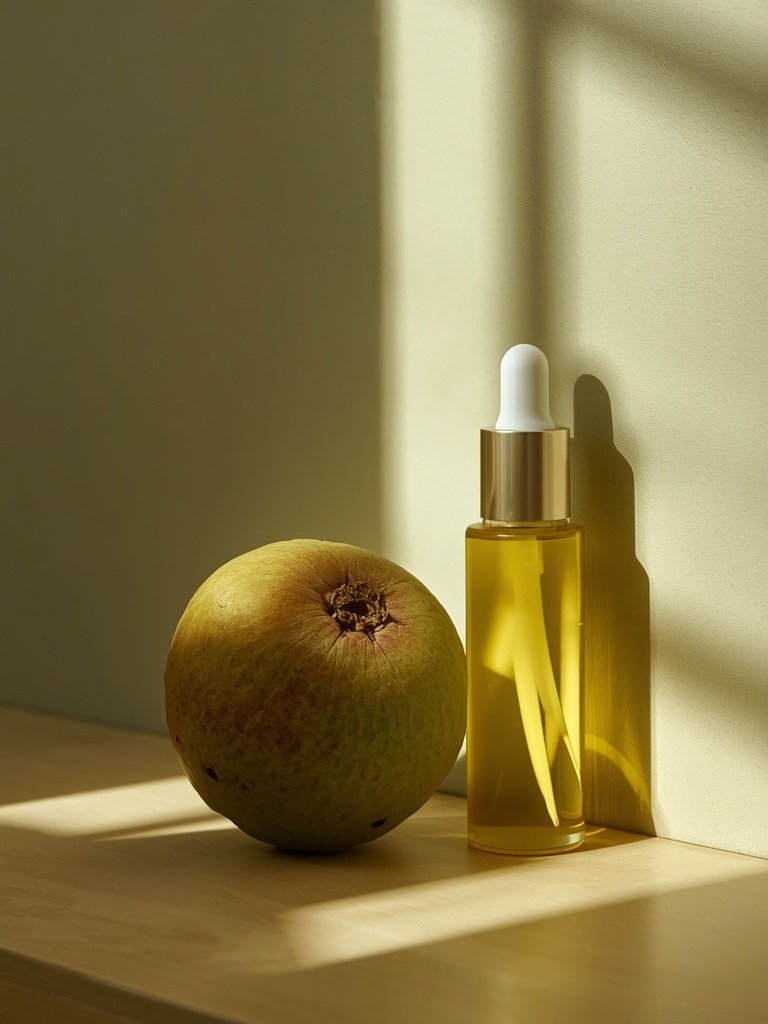
Table of Contents 6
Incredible yet true! Prickly pear seed oil, often referred to as "liquid gold" or the "elixir of youth," is gaining recognition as a natural alternative to invasive rejuvenation procedures. Its exceptional regenerative properties make it ideal for facial, neck, décolletage, and even chest care, delivering deep nourishment, accelerated micro-damage repair, and intense hydration. Packed with antioxidants, vitamins (particularly E and K), and unsaturated fatty acids, this product not only decelerates the aging process but also restores the skin’s healthy, radiant appearance by eliminating signs of fatigue and oxidative stress. Could this be a breakthrough in natural cosmetology?
Prickly pear seed oil – origin, extraction, and rarity
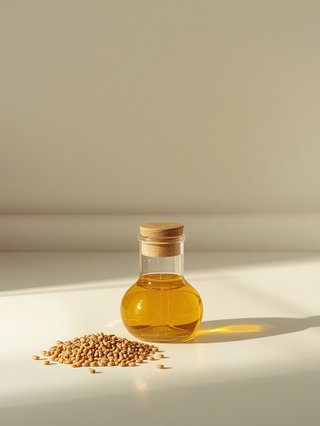
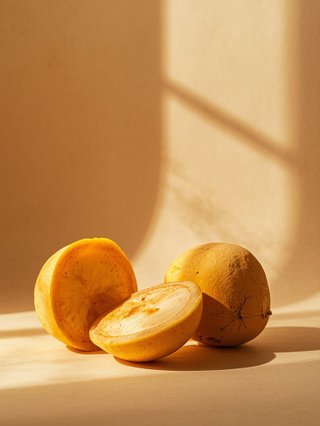
Prickly pear seed oil is extracted from the tiny hard seeds inside the fruits of the prickly pear cactus (Opuntia ficus-indica), cultivated predominantly in arid Mediterranean and North African regions. Producing a single liter of pure cold-pressed oil requires approximately one million seeds harvested from nearly 500 kilograms of cactus fruits. This labor-intensive extraction makes it one of the rarest, most prized cosmetic oils in the global skincare industry.
Bioactive profile: natural alternative to invasive smoothing
Often heralded as 'nature's botox', prickly pear seed oil owes its skin-rejuvenating prowess to an extraordinary biochemical profile. It contains the highest documented concentration of vitamin E (up to 1,000 mg/kg, primarily gamma-tocopherol) of any cosmetic oil—triple that of argan oil. In addition, it is rich in linoleic acid (over 60%), phytosterols (beta-sitosterol, campesterol), and betalains. These compounds synergistically scavenge free radicals, stimulate collagen synthesis, and dramatically improve skin firmness.
Market pricing and verifying genuine pure oil
Due to the immense volume of raw material required, genuine 100% pure cold-pressed prickly pear seed oil commands a substantial market price—typically 150 to 300 PLN (35 to 70 EUR) per 10–15 ml vial. Consumers must remain vigilant: inexpensive products labeled as 'cactus oil' or 'opuntia oil' are frequently cheap macerates of cactus blossom steeped in mineral or sunflower oil. True seed oil must list 100% Opuntia ficus-indica seed oil as its sole ingredient.
Application protocol for facial rejuvenation
Applying prickly pear seed oil requires only 2 to 3 drops per treatment. Dispense the drops onto clean fingertips and gently press into damp facial skin, concentrating around the periorbital eye contours, nasolabial folds, and forehead expression lines. Its dry, non-comedogenic texture absorbs rapidly without leaving greasy residue. For enhanced penetration, apply directly after an antioxidant floral hydrosol or hyaluronic acid serum.
Visible dermatological outcomes and clinical benefits
Consistent daily application of prickly pear seed oil yields visible clinical improvements within 3 to 6 weeks. Fine micro-lines and crow's feet soften, dark under-eye rings diminish as localized microcirculation improves, and skin elasticity noticeably rebounds. Furthermore, its phytosterol content accelerates cellular repair in sun-damaged skin, fading minor hyperpigmentation and calming redness.
Consumer reviews and evidence-based dermatological consensus
Both consumer testimonials and clinical evaluations consistently laud prickly pear seed oil for its transformative effect on mature, fatigued, and sensitive skin types. Users praise its rapid absorption, velvety non-sticky finish, and visible firming action. Dermatologists confirm that while no topical oil can physically replicate neurotoxin muscular paralysis like cosmetic Botox injections, prickly pear seed oil stands as one of the most potent non-invasive botanical treatments available for long-term dermal regeneration.
Want to apply these guidelines in your daily diet?
Our smart diet generator creates a tailored meal plan in 3 minutes based on the recommendations in this article.
Tags

Literatura: Chougui N ., Tamendjari A ., Hamidj W ., Hallal S ., Barras A ., Richard T ., Larbat R ., Oil composition and characterisation of phenolic compounds of Opuntia ficus-indica seeds. Food Chem. Aug 15;139(1-4):796-803, Mohamed Fawzy, Ramadan Jörg-Thomas Mörsel , Oil cactus pear ( Opuntia ficus-indica L.), Food Chemistry , Volume 82, Issue 3 , August 2003, s. 339-345.
Diets Premium Expert
Diets Premium team expert. Specializes in nutrition plans, strength sports, and training plans.