PRO 6 min read

Prickly Pear – Characteristics, Properties, Uses

Prickly Pear – Characteristics, Properties, Uses
1 photo
584

Smart Voice

AI
0:00
0:00
Listen to the article content live
Table of Contents 4
PRO Content PRO

This article is professional premium content (PRO) provided in its entirety.

Despite the unfavorable conditions in our country for its cultivation, the prickly pear is worth our attention. It is a type of cactus whose fruit has a high nutritional value and numerous health benefits. More and more often, we can find the fruit of the prickly pear in stores and markets. However, before making a purchase of this unusual plant, it is essential to learn more about its characteristic features and properties.
01 / 04

Option Botanical description, characteristics of the species

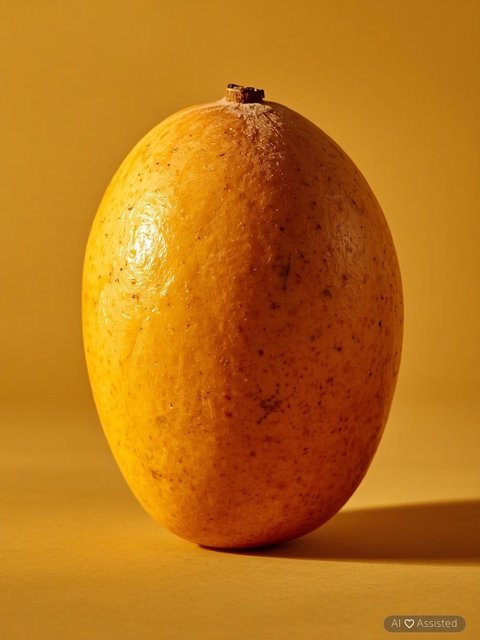
Prickly pear (*Opuntia*) is a genus of succulent plants belonging to the cactus family (*Cactaceae*), colloquially termed Indian fig or cactus pear. Approximately 150 species of *Opuntia* are recognized globally, indigenous primarily to the arid and semiarid regions of North and South America. Among them, the most agriculturally and nutritionally celebrated species is *Opuntia ficus-indica*, originating in Mexico. Following the voyages of Christopher Columbus, this resilient cactus was introduced into the Mediterranean basin, where it currently thrives across the sun-drenched landscapes of Sicily, southern Italy, Spain, and Portugal as both an ornamental and a commercial fruit crop. In its native habitat, *Opuntia ficus-indica* develops into a substantial, arborescent succulent reaching heights of 5 to 6 meters. Its paddle-like photosynthetic stem segments (cladodes) are protected by a thick waxy cuticle and clusters of sharp spines alongside microscopic glochids. Mature specimens produce vivid blossoms in shades of yellow, vibrant pink, and deep orange-red, giving rise to fleshy, ovoid berries. The deep orange and crimson cultivars are especially prized for their refreshing sweetness, aromatic profile, and rich endowment of bioactive betalain pigments and antioxidant vitamin C.
02 / 04

*Opuntia ficus-indica* (Prickly Pear Cactus): A Detailed Breakdown of Nutritional and Bioactive Compounds in Dry Matter Basis

The primary edible component of the prickly pear cactus (*Opuntia ficus-indica*) consists of its fruit, while the flattened cladodes (modified stems) and flowers are consumed far less frequently. Despite the fruit pulp comprising approximately 93% water by weight, the plant remains a staple in culinary applications—particularly in its dehydrated form, where carbohydrates emerge as the predominant constituent. Notably, dietary fiber accounts for 47–51% of the fruit’s dry matter, with the soluble fraction (comprising pectins and β-glucans) being especially prominent. Additionally, the fruit contains substantial quantities of readily digestible monosaccharides, chiefly glucose and fructose, positioning it as a valuable source of rapid-energy carbohydrates.

Of particular interest is the fruit’s exceptionally high protein content for a botanical source (13.3–14.9 g per 100 g of dry matter), whereas lipids are present only in trace amounts (0.98–1.1 g). The vitamin profile is dominated by water-soluble compounds, including vitamin C (57.1–63.9 mg/100 g) and B-complex vitamins (thiamine, riboflavin), while fat-soluble vitamins are represented primarily by tocopherols and β-carotene (provitamin A). The mineral composition features calcium, potassium, magnesium, iron, and phosphorus as key constituents. Beyond these, the fruit harbors a diverse array of bioactive phytochemicals—such as phenolic compounds, carotenoids, anthocyanins, vitamin K, and β-sitosterols—each associated with documented health-promoting properties.

The presented data derive from chemical analyses of the "Milpa" and "Atlixco" cultivars (source: Cieślik E. et al., *Advances in Phytotherapy* 2016, 17(3), 213–217) and are expressed as mean values ± standard deviation (SD), except for moisture content, which is reported in absolute terms.

03 / 04

Prickly pear cactus (*Opuntia ficus-indica*) – evidence-based health benefits and therapeutic applications in traditional and modern medicine

The prickly pear cactus (*Opuntia ficus-indica*), a plant deeply rooted in traditional medicine, has long been recognized for its exceptional hydrating and regenerative properties. In its native regions—spanning Central and South America as well as the Mediterranean basin—it has been employed for centuries as a topical remedy to accelerate cutaneous wound healing, alleviate inflammation, and minimize the visibility of post-traumatic and postsurgical scars. While its effects are often compared to those of aloe vera, the two plants exhibit distinct phytochemical profiles. The fruit of the prickly pear, abundant in water, polyphenols, and soluble dietary fiber fractions, also holds therapeutic potential for internal applications. Consumption of its pulp or juice may relieve dyspeptic symptoms such as bloating and indigestion by modulating intestinal peristalsis and facilitating gastrointestinal transit. Clinical evidence suggests that regular supplementation with prickly pear extract supports pancreatic function by stimulating β-cells within the islets of Langerhans to secrete insulin, thereby reducing postprandial glycemia—a critical factor in the prevention and adjunctive management of insulin resistance and type 2 diabetes mellitus. Furthermore, the pectin and β-glucan content of the fruit favorably alters lipid metabolism, lowering total cholesterol and low-density lipoprotein (LDL) levels while increasing high-density lipoprotein (HDL) concentrations. An additional benefit lies in its satiety-enhancing properties: the high soluble fiber content delays gastric emptying, aiding in weight management. Emerging research also highlights the potential neuroprotective and antidepressant effects of prickly pear constituents, offering promising avenues for mental health support.
04 / 04

Prickly pear cactus: Multifunctional applications in culinary arts, herbal medicine, and cosmetic formulations

The prickly pear cactus (*Opuntia ficus-indica*), commonly referred to as cactus fig or *tuna* in Mexican cuisine, represents a cornerstone of traditional gastronomy, prized for both its distinctive flavor profile and its remarkable versatility in culinary applications. Beyond its succulent, sweet fruits, the plant’s young cladodes—known as *nopales*—are also widely utilized; once meticulously de-spined and cooked, they develop a texture and taste reminiscent of a delicate fusion between asparagus and green beans. Their ubiquity in local diets rivals that of lettuce, broccoli, or Swiss chard in Western cuisine. The ripe fruits, meanwhile, are typically consumed raw after removal of their spines, offering a burst of sweetness and juice that lends itself perfectly to the creation of jams, juices, purées, and other preserves with an intensely exotic character. In folk medicine, the prickly pear has long been employed as a natural remedy for addressing skin infections, ulcers, inflammatory dermatological conditions, and ocular ailments. The most pharmacologically potent component, however, derives from extracts obtained from the young cladodes, which are rich in bioactive compounds—including polyphenols, flavonoids, and soluble fiber—that demonstrate the ability to inhibit dietary fat absorption. When combined with dietary modifications, this mechanism may facilitate weight loss, a property that has garnered increasing attention for the cactus as an ingredient in weight-management supplements. Furthermore, the plant has evolved a sophisticated defensive system: under environmental stress (such as drought or excessive sunlight), its fruits synthesize a compound called *Opuntia G*, which, when ingested by humans, stimulates the production of heat shock proteins (HSPs). These proteins play a critical role in cellular repair and enhance the skin’s resilience against harmful ultraviolet radiation. As a result, *Opuntia G* has become a highly valued component in premium anti-aging cosmetics. Additionally, the young cladodes are abundant in deeply hydrating substances, making them a prized raw material in the formulation of balms, soaps, creams, and a wide array of skincare products. In summary, the prickly pear cactus is a plant of extraordinary potential, seamlessly integrating nutritional, therapeutic, and cosmetic benefits, thereby offering multifaceted advantages across various domains of health and wellness.
Meal Plan

Want to apply these guidelines in your daily diet?

Our smart diet generator creates a tailored meal plan in 3 minutes based on the recommendations in this article.

mgr Cieślik E., Cieślik I., Bartyzel K., Wartość odżywcza i właściwości prozdrowotne opuncji figowej (Opuntia ficus-indica Mill.), „Postępy Fitoterapii” 2016, 17(3), 213–217.
Modrakowski P., Vademecum kolekcjonera kaktusów (kaktusy mrozoodporne), Bydgoszcz 2002, 2–13.
Halmi S. et al., Pharmaco-toxicological study of Opuntia ficus indica L., aqueous extract in experimental animals, „International Journal of Medicinal and Aromatic Plants” 2013, 3(3), 375–381.
Kaur M., Kaur A., Sharma R., Pharmacological actions of Opuntia ficus indica: a review, „Journal of Applied Pharmaceutical Science” 2012, 2(7), 15–18.
Ramadan M., Morsel J., Recovered lipids from prickly pear (Opuntia ficus-indica L. Mill.) peel: a good source of polyunsaturated fatty acids, natural antioxidant vitamins and sterols, „Food Chemistry” 2003, 83, 447–456.
Scientifically reviewed by a clinical dietitian • 25.09.2026

mgr Cieślik E., Cieślik I., Bartyzel K., Wartość odżywcza i właściwości prozdrowotne opuncji figowej (Opuntia ficus-indica Mill.), „Postępy Fitoterapii” 2016, 17(3), 213–217. Modrakowski P., Vademecum kolekcjonera kaktusów (kaktusy mrozoodporne), Bydgoszcz 2002, 2–13. Halmi S. et al., Pharmaco-toxicological study of Opuntia ficus indica L., aqueous extract in experimental animals, „International Journal of Medicinal and Aromatic Plants” 2013, 3(3), 375–381. Kaur M., Kaur A., Sharma R., Pharmacological actions of Opuntia ficus indica: a review, „Journal of Applied Pharmaceutical Science” 2012, 2(7), 15–18. Ramadan M., Morsel J., Recovered lipids from prickly pear (Opuntia ficus-indica L. Mill.) peel: a good source of polyunsaturated fatty acids, natural antioxidant vitamins and sterols, „Food Chemistry” 2003, 83, 447–456.

Diets Premium Expert

Diets Premium team expert. Specializes in nutrition plans, strength sports, and training plans.

USDA FoodData Central EFSA PubMed Clinical Guidelines
Loading
Recommended articles in this category

Related Articles

Discover similar publications and expert insights.

Avocado – Properties and Health Benefits. How to Identify a Ripe Fruit? Ways to Speed Up Ripening
Salads
Avocado – Properties and Health Benefits. How to Identify a Ripe Fruit? Ways to Speed Up Ripening
⏱ 3 min czytania
#Salads #Fatty Acids
The prickly pear (Opuntia ficus-indica) – a remarkable exotic fruit boasting distinctive flavor and nutritional benefits that deserves a place in your travel culinary experiences
Nutritional Benefits
The prickly pear (Opuntia ficus-indica) – a remarkable exotic fruit boasting distinctive flavor and nutritional benefits that deserves a place in your travel culinary experiences
⏱ 2 min czytania
#Nutritional Benefits #Culinary Traditions
Dragon fruit (pitaya) - properties, application, flavor
Strawberry
Dragon fruit (pitaya) - properties, application, flavor
⏱ 3 min czytania
#Strawberry #Superfood
Avocado Cultivated in the Warm Regions of Central and South America
Fatty Acids
Avocado Cultivated in the Warm Regions of Central and South America
⏱ 3 min czytania
#Fatty Acids #Avocado
Dried Saliva - Nutritional Composition, Effect, Types and Storage Techniques
Nutritional Composition
Dried Saliva - Nutritional Composition, Effect, Types and Storage Techniques
⏱ 4 min czytania
#Nutritional Composition #Health Benefits
Advantages and Disadvantages of Consuming Avocado
Fruit Preparation
Advantages and Disadvantages of Consuming Avocado
⏱ 4 min czytania
#Fruit Preparation #High In Fat
Quince: Ten Key Health Benefits and Therapeutic Properties to Discover
Health Benefits
Quince: Ten Key Health Benefits and Therapeutic Properties to Discover
⏱ 3 min czytania
#Health Benefits #Nutritional Properties
Durian: Properties, Nutritional Value, and Uses of the Unusual Fruit
Nutrition
Durian: Properties, Nutritional Value, and Uses of the Unusual Fruit
⏱ 4 min czytania 📚 Nutrition
#Nutritional Value #Fruit
Kiwi – Nutritional Value, Kiwi and Diabetes, Weight Loss. Is Kiwi Healthy?
Immune System
Kiwi – Nutritional Value, Kiwi and Diabetes, Weight Loss. Is Kiwi Healthy?
⏱ 5 min czytania
#Immune System #Nutritional Content
Coconut – Properties, Nutritional Value, and Uses
Nutritional Content
Coconut – Properties, Nutritional Value, and Uses
⏱ 5 min czytania
#Nutritional Content #Nutritional Value
Novel Phytochemical Frontiers: Sulforaphane, Anthocyanins, Senolytic Quercetin, and Urolithin A in Plant Nutrition
Pregnancy & Motherhood
Novel Phytochemical Frontiers: Sulforaphane, Anthocyanins, Senolytic Quercetin, and Urolithin A in Plant Nutrition
⏱ 4 min czytania 📚 Pregnancy & Motherhood
#Plant-Based Foods #Dietary Prevention
Which form of acai berries should I opt for – powder, capsules, frozen, or freeze-dried?
Superfoods
Which form of acai berries should I opt for – powder, capsules, frozen, or freeze-dried?
⏱ 3 min czytania 📚 Superfoods
#Dried Fruit #Fresh Fruit
Manufacture and attributes of dried vegetables and fruits - examination of benefits and drawbacks
Food Science
Manufacture and attributes of dried vegetables and fruits - examination of benefits and drawbacks
⏱ 6 min czytania 📚 Food Science
#Vegetable #Fruit
Mango – nutritional calorie value, vitamin composition, and weight-management benefits: A comprehensive guide to identifying ripe fruit and proper harvesting techniques
Fruits
Mango – nutritional calorie value, vitamin composition, and weight-management benefits: A comprehensive guide to identifying ripe fruit and proper harvesting techniques
⏱ 4 min czytania 📚 Fruits
#Nutritional Value #Caloric Content
Coconut kernel oil: adipose tissue reduction effects and culinary applications
Nutritional Value
Coconut kernel oil: adipose tissue reduction effects and culinary applications
⏱ 6 min czytania
#Nutritional Value #Adipose Tissue
Five Positive Health Effects of Eating Strawberries
Health
Five Positive Health Effects of Eating Strawberries
⏱ 1 min czytania 📚 Health
#Health Benefits #Vegetable
Sour and Sweet Cherries – Varieties, Properties, and Preserves
Health Benefits
Sour and Sweet Cherries – Varieties, Properties, and Preserves
⏱ 10 min czytania
#Health Benefits #Dried Fruit
Fermented Fruits and Vegetables – Health Benefits of Natural Probiotics and Recipe for Pickled Cucumbers
Food Preservation
Fermented Fruits and Vegetables – Health Benefits of Natural Probiotics and Recipe for Pickled Cucumbers
⏱ 3 min czytania
#Food Preservation #Health Benefits
Coconut Palm – Properties, Varieties and Opening Methods. How to Open a Coconut Quickly and Efficiently?
Health Benefits
Coconut Palm – Properties, Varieties and Opening Methods. How to Open a Coconut Quickly and Efficiently?
⏱ 6 min czytania
#Health Benefits #Quick
Tarnish – attributes, role in preventing ailments, tarnish beverage
Digestive Disorders
Tarnish – attributes, role in preventing ailments, tarnish beverage
⏱ 4 min czytania
#Digestive Disorders #Natural Remedies
Cane Sugar - Characteristics, Health Benefits - Cane vs. Brown Sugar - Is Cane Sugar Truly Healthy?
Health Benefits
Cane Sugar - Characteristics, Health Benefits - Cane vs. Brown Sugar - Is Cane Sugar Truly Healthy?
⏱ 3 min czytania
#Health Benefits #Baked Goods
Dates – health benefits, date syrup... Are dates a nutritious dietary addition?
Health Conditions
Dates – health benefits, date syrup... Are dates a nutritious dietary addition?
⏱ 5 min czytania 📚 Health Conditions
#Essential Minerals #Health Benefits
Raspberries – Health-Promoting Properties, Nutritional Profile, and Dietary Significance
Fruits
Raspberries – Health-Promoting Properties, Nutritional Profile, and Dietary Significance
⏱ 2 min czytania 📚 Fruits
#Nutritional Composition #Bioactive Compounds
Red Bell Pepper – Nutritional Composition, Bioactive Compounds, Caloric Profile, and Culinary Benefits
Food & Ingredients
Red Bell Pepper – Nutritional Composition, Bioactive Compounds, Caloric Profile, and Culinary Benefits
⏱ 2 min czytania 📚 Food & Ingredients
#Nutritional Composition #Bioactive Compounds
Does freezing affect the nutritional value of fruits? How to properly thaw them?
Nutritional Value Of Fruits
Does freezing affect the nutritional value of fruits? How to properly thaw them?
⏱ 5 min czytania
#Nutritional Value Of Fruits #Nutritional Content
What Dishes Can Be Prepared with Melon? Which Varieties Exist and What Are Their Nutritional Values?
Nutritional Values
What Dishes Can Be Prepared with Melon? Which Varieties Exist and What Are Their Nutritional Values?
⏱ 4 min czytania
#Nutritional Values #Nutrition Facts
Edible Horse Chestnuts – Characteristics, Nutritional Values and Recipes
Nutritional Values
Edible Horse Chestnuts – Characteristics, Nutritional Values and Recipes
⏱ 4 min czytania
#Nutritional Values #Nutrition Facts
Tamarillo - Characteristics, nutritional values, and utilization of tree tomato
Nutritional Values
Tamarillo - Characteristics, nutritional values, and utilization of tree tomato
⏱ 3 min czytania
#Nutritional Values #Tomato
"Rules, recipes, and opinions on the watermelon diet"
Food & Ingredients
"Rules, recipes, and opinions on the watermelon diet"
⏱ 7 min czytania 📚 Food & Ingredients
#Nutritional Values #Watermelon
Melons: an exploration of cultivars, distinctive traits, nutrient profile, and culinary applications
Food & Ingredients
Melons: an exploration of cultivars, distinctive traits, nutrient profile, and culinary applications
⏱ 4 min czytania 📚 Food & Ingredients
#Nutritional Values #Nutrition Facts

Share