Preparing chicken broth (Rosół), its properties and nutritional value – broth for a cold

Table of Contents 7
Medical & Editorial Disclaimer (§3 Terms): This article is for informational and educational purposes only, does not constitute medical advice, diagnosis, or treatment, and is used at your own risk. Consult a qualified physician for medical conditions.
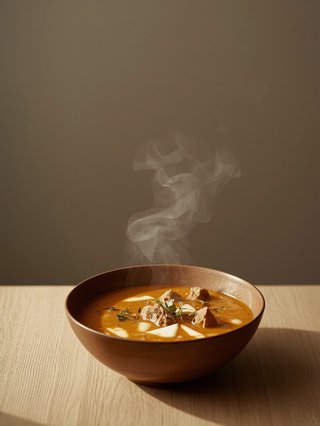
From a physiological standpoint, consuming clear broth contributes significantly to daily fluid requirements while supplying accessible macro- and micronutrients. Simmering poultry, bones, or connective tissue-rich beef cuts such as shank and brisket facilitates the extraction of collagen and gelatin into the liquid. Starting the cooking process in cold water allows proteins to release gradually without immediate coagulation, ensuring a clear appearance. During upper respiratory infections or periods of elevated body temperature, warm broth helps replenish fluid deficits caused by respiratory secretions and supports comfortable thermoregulation. Furthermore, the nutritional breakdown demonstrates how selecting lean poultry versus fattier cuts or adding pasta alters the overall energy density of the meal.
To achieve optimal clarity and nutritional quality at home, thoroughly rinse the meat or bones and cut them into smaller pieces to maximize surface area before placing them into cold water. Any previously frozen meat should be completely thawed in the refrigerator prior to cooking, and evaporated liquid should always be replenished with hot water to prevent sudden temperature drops. For a wholesome flavor profile without excessive sodium or monosodium glutamate, avoid commercial bouillon cubes and liquid concentrates, relying instead on fresh vegetables paired with aromatic whole spices such as bay leaves, allspice berries, and black peppercorns.
This article is professional premium content (PRO) provided in its entirety.
The Nutritional and Physiological Benefits of Consuming Broth: A Comprehensive Analysis of Its Bioactive Components
Traditional broth as a supportive measure in combating common cold symptoms and upper respiratory infections
Broth nutritional breakdown: caloric content and macronutrient variation by preparation method
Step-by-Step Guide: How to Prepare a Traditional, Flavorful Meat Broth at Home
Essential components for preparing a traditional meat-and-vegetable broth
Which spices pair most harmoniously with homemade broth?
Achieving perfect clarity in homemade broth: verified culinary techniques and their scientific foundations
Want to apply these guidelines in your daily diet?
Our smart diet generator creates a tailored meal plan in 3 minutes based on the recommendations in this article.

mgr Literatura: Denesiuk M., Przygotowywanie i wydawanie zup oraz sosów, Fundacja „Wspieranie i Promocja Przedsiębiorczości na Warmii i Mazurach”, Olsztyn 2010, Jarosz M., Normy żywienia dla populacji Polski, Instytut Żywności i Żywienia, Warszawa 2017, Wieczorek-Chełmińska Z., Nowoczesna dietetyczna książka kucharska, Wydawnictwo PZWL, Warszawa 2000, Kunachowicz H. i wsp., Wartość odżywcza wybranych produktów spożywczych i typowych potraw, Wydawnictwo PZWL, Warszawa 2012, Lijing Ke, Jianwu Zhou i in., The power of soups: Super-hero or trem-work? Trends in food science & technology, 2011, 9, 492-497, Łebkowski M., Szkoła gotowania. Kuchnia polska, Publicat, Poznań 2017, Rennard B.O. i in., Chicken soup inhibitis neutrophil chemotaxis in vitro, Chest 2000, 118, 1150-1157, Rosół polski, Ministerstwo Rolnictwa i Rozwoju Wsi, online: http://www.minrol.gov.pl/Jakosc-zywnosci/Produkty-regionalne-i-tradycyjne/Lista-produktow-tradycyjnych/woj.-malopolskie/Rosol-polski, data dostępu: 08.03.2018 r.,
• 25.09.2026Diets Premium Expert
Diets Premium team expert. Specializes in nutrition plans, strength sports, and training plans.