Piperine – characteristics, adverse effects, and usage recommendations

Smart Voice
AITable of Contents 5
When the term "piperine" is entered into a search engine, the predominant results focus on its role in facilitating weight management processes. Yet the scope of potential benefits associated with this bioactive compound extends far beyond its effects on lipid metabolism, encompassing a broad array of mechanisms that may prove valuable in the therapeutic management of diverse conditions—ranging from metabolic disorders to inflammatory diseases.
What is piperine?
Piperine is a natural piperidine alkaloid found in the fruits and roots of black pepper (Piper nigrum) and long pepper (Piper longum). It is the primary chemical compound responsible for the pungent, spicy flavor of these culinary spices. BioPerine is a patented, standardized black pepper extract containing at least 95% pure piperine. Scientific research has demonstrated its remarkable pharmacological capability to significantly enhance the bioavailability and intestinal absorption of numerous vital nutrients, including vitamins, minerals, and bioactive antioxidants.
Pharmacological properties and bioavailability enhancement
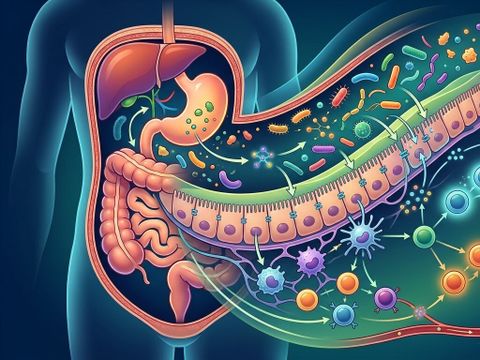
Piperine exerts a potent stimulating effect on the digestive tract by promoting gastric acid secretion and activating pancreatic and intestinal enzymes, thus optimizing digestive kinetics. Additionally, it displays pronounced antioxidant properties by neutralizing reactive oxygen species, coupled with moderate anti-inflammatory and analgesic activities. Neurobiological investigations suggest neuroprotective and cognitive-enhancing effects, with observed antidepressant actions in preclinical models. Importantly, piperine inhibits tumor cell proliferation in selected cancer lines and dramatically amplifies the systemic absorption of bioactive compounds such as curcumin (by up to 2000%), resveratrol, coenzyme Q10, beta-carotene, iron, and selenium.
Piperine in weight management and metabolic health
Does piperine meaningfully accelerate weight loss? Preclinical in vitro and in vivo studies indicate that piperine interferes with adipogenesis—the differentiation and formation of new adipocytes—and stimulates thermogenesis through TRPV1 receptor activation. Human clinical trials demonstrate that combining piperine with capsaicin and epigallocatechin gallate (EGCG) elevates resting metabolic expenditure and prolongs postprandial satiety. While piperine serves as a scientifically validated metabolic adjunct, its supplementation must remain integrated with a caloric deficit and structured physical training to achieve sustainable body fat reduction.
Safety profile, interactions, and side effects
The primary therapeutic benefit of piperine—its modulation of bioavailability—also represents a significant pharmacokinetic consideration when co-administered with prescription drugs. Piperine inhibits crucial hepatic cytochrome P450 enzymes (notably CYP3A4) and P-glycoprotein efflux transporters, which can lead to elevated plasma concentrations of pharmaceuticals and heightened toxicity risks. Individuals taking antiepileptic, cardiovascular, anticoagulant, or immunosuppressive medications must strictly avoid concentrated piperine supplementation. In healthy individuals, daily doses between 5 and 20 mg are generally safe and well tolerated, though occasional gastrointestinal irritation may occur.
Dosage recommendations and practical supplementation guidelines
Standard daily dosages of standardized piperine in dietary supplements range from 5 mg to 15 mg, typically divided into one or two administrations taken alongside primary meals. Ingesting the supplement with a meal containing dietary lipids optimizes absorption kinetics and minimizes potential gastric discomfort. Piperine is ideally co-formulated with poorly bioavailable phytochemicals, such as curcumin or green tea catechins. Nevertheless, supplementation must be viewed as an adjunct to, rather than a substitute for, balanced clinical nutrition and disciplined physical exercise.
Want to apply these guidelines in your daily diet?
Our smart diet generator creates a tailored meal plan in 3 minutes based on the recommendations in this article.

mgr Literatura: Rondanelli M et al., Acute effect on satiety, resting energy expenditure, respiratory quotient, glucagon-like peptide-1, free fatty acids, and glycerol following consumption of a combination of bioactive food ingredients in overweight subjects.; J Am Coll Nutr. 2013;32(1):41-9. Nogara L et al., Piperine’s mitigation of obesity and diabetes can be explained by its up-regulation of the metabolic rate of resting muscle.; Proc Natl Acad Sci U S A. 2016 Nov 15;113(46 Atal CK, Dubey RK , Singh J .; Biochemical basis of enhanced drug bioavailability by piperine: evidence that piperine is a potentinhibitor of drug metabolism.; J Pharmacol Exp Ther. 1985 Jan;232(1):258-62. Jie Zheng et al. ; Spices for Prevention and Treatment of Cancers; Nutrients. 2016 Aug; 8(8): 495. Okumura Y , Narukawa M , Watanabe T .; Adiposity suppression effect in mice due to black pepper and its main pungent component, piperine.; Biosci Biotechnol Biochem. 2010;74(8):1545-9. Epub 2010 Aug 7. K. VASAVIRAMA, MAHESH UPENDER; Piperine: a valuable alkaloid from piper species; International Journal of Pharmacy and Pharmaceutical Sciences, Vol 6, Issue , 201
Diets Premium Expert
Diets Premium team expert. Specializes in nutrition plans, strength sports, and training plans.