Key Takeaways
Manual soft-tissue intervention techniques provide a holistic approach to supporting weight management by influencing the body's physiological systems. By enhancing tissue metabolism and promoting better circulation, these methods serve as a valuable adjunct to a healthy lifestyle, assisting in physique contouring and overall physical well-being.
The physiological benefits of these techniques are rooted in the stimulation of fibroblast cells, which are encouraged to produce collagen through controlled stretching. Simultaneously, the massage increases blood flow, which supports thermoregulation and aids in the vitality of cutaneous tissues. By manually heating and manipulating specific areas, these techniques help to loosen tissue structures, which can positively influence the texture and firmness of the skin.
For practical implementation, it is recommended to apply these techniques segmentally to areas where fatty tissue tends to accumulate, such as the thighs, hips, and abdomen. Consistent application can help improve skin elasticity and reduce the appearance of cellulite. It is essential to view these interventions as a supportive practice within a broader health and wellness strategy, rather than a standalone solution, ensuring they complement regular physical activity and balanced nutrition.
A comprehensive examination of the scientific rationale, methodological approaches, and potential therapeutic benefits of specialized manual interventions designed to enhance tissue metabolism and support long-term weight management, providing effective support for cellulite reduction and physique contouring.
02 / 03
The effect of massage on individual tissues
Skin. Massage causes skin to become more elastic, increases its elasticity and firmness. Cells called fibroblasts are stimulated to produce collagen under the influence of compression and stretching. Through friction, external, dead layers of the epidermis are removed. The activity of sweat glands (involved in thermoregulation) and sebaceous glands, which protect the skin from drying out, is also stimulated. Blood vessels dilate locally (observed as redness), which stimulates circulation and leads to better cell nourishment, accelerating the removal of waste metabolic products, thus acting detoxifyingly. Muscles. As a result of the massage, the muscles warm up. Blood flow increases in them, which means more oxygen and nutrients reach them. The process of removing metabolic products such as lactic acid, which acidifies the tissue after intense exercise, is also easier. Massage prevents muscle atrophy and loss of muscle contractility. It can act in two ways: by lowering tension (relaxing) or by increasing it (stimulating). Ultimately, it causes an increase in muscle mass. It accelerates the regeneration of tired muscle better than its passive rest, allowing it to be ready for work again faster, and it also increases its endurance. Fat tissue. Fat stored in adipocytes is broken down, broken up, partially removed, and its outflow from storage sites and burning (thanks to increased metabolism) is accelerated. Cartilage and bone, joints, and ligaments. Massage contributes to increasing the elasticity and strength of joints and ligaments. It prevents degenerative changes in bones and cartilage. It accelerates healing, recovery, and the return of mobility. Circulatory system. As mentioned before, massage stimulates circulation. It reduces arterial resistance while increasing venous outflow, which together facilitates the heart's work. Stasis and edema are eliminated. Lymphatic drainage is improved, i.e., the process of lymph moving from the interstitial spaces towards the lymphatic vessels. Vascular transport is improved, which has a nourishing and cleansing effect. Urinary system. Due to the increased intensity of circulation, the amount of blood flowing through the kidneys increases significantly. Enhanced filtration leads to increased urine output after the procedure. Digestive system. Massage improves circulation in the digestive organs and enhances the secretion of gastrointestinal hormones. All of this stimulates more efficient function, i.e., the digestion of consumed food and the absorption of nutrients contained therein. The general acceleration of metabolism leads to the stimulation of the hunger center, which is why an appetite appearing after the procedure is natural. Massage can increase the tension of the intestinal walls, which stimulates their peristalsis. By applying appropriate movements within the abdominal cavity, one can even directly move fecal masses lodged in the colon. Vital energy. Eastern medicine, sometimes called alternative, views the human being not only on a physical but also a spiritual level. It assumes that the source of all types of diseases is energetic disturbances. Energy flows through the human body along pathways called meridians, which originates from nature, the inherited genome, and the food consumed. Sometimes, due to stress, emotional shock, depression, overstimulation, or other factors, free flow can be blocked, resulting in an excess in one area of the body and a deficiency in another. There is a belief that a properly performed massage helps restore its even distribution, preventing or treating an already developed pathological condition.
03 / 03
It's a type of massage that helps you lose weight
Cupping massage
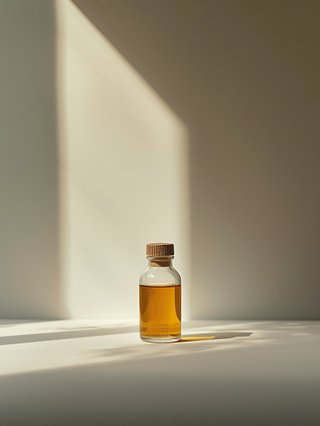
This massage is performed using rubber or silicone cups. It is segmental, meaning it covers only areas where fat accumulation is visible, such as: thighs, buttocks, waist (so-called love handles), abdomen, possibly back, neck, arms. In the initial phase of the massage, the tissue is warmed up manually by intensively rubbing, kneading, and tapping it. Then, olive oil is applied to the skin, and the cups are used to create suction movements. The effect achieved is the reduction of cellulite, i.e. Primarily, skin smoothing, breaking down subcutaneous fat, and stimulating its removal and burning. This massage is considered painful, causing strong skin redness, sometimes bruising in the form of hematomas. A side effect may also be the visibility and cracking of blood vessels in the thigh area (so-called spider veins). At the end of the treatment, an anti-cellulite balm is tapped into the skin to increase the results. Its composition may include retinol, which increases skin thickness by stimulating collagen synthesis, warming essential oils such as cinnamon, ginger, or seaweed containing laminarin, which inhibits the transformation of preadipocytes into adipocytes, and improves microcirculation by sealing and elasticizing blood vessels. The best results from this massage are achieved after a series of about 10 treatments repeated every 3–7 days. Manual slimming massage
It relies on the use of extremely intense rubbing, kneading, or pressing techniques. It aims to break down accumulated fat deposits under the skin, stimulating their removal along with toxins released by individual cells into the spaces between them (drainage). It consists of alternating phases of relative rest and extremely strong intervention deep into the tissue, often performed on tense muscle. It covers the thighs, buttocks, and the so-called flanks. Unfortunately, it can be very painful. Lymphatic drainage
This massage consists of compressions aimed at pushing, pressing, squeezing, and moving lymph towards the nearest lymph nodes. It eliminates edema of various origins, has a cleansing effect, accelerating the removal of unnecessary metabolic byproducts of cells. It is especially recommended in the initial phase of the weight loss process, when the body, previously nourished improperly, is getting rid of accumulated toxins. It is worth performing it simultaneously with a cleansing diet. It can be checked in the case of fighting cellulite, aiming to reduce the circumference of the lower body, or tendencies to leg edema. A good result is also achieved after intense physical exertion. It is very slow and delicate, so it can also have a relaxing effect. Endermology
In her case, the masseur's hands are not enough. The use of a head equipped with movable rollers becomes necessary. The person undergoing the treatment is dressed in a special, smooth, skin-tight suit, which is intended to prevent any epidermal damage. A skin fold is formed due to the vacuum. The subcutaneous tissue is mobilized through changes in the direction of the massaging head and by adjusting the rotation speed of the rollers. Initially, this massage was used to minimize scars; over time, it was discovered that it is also excellent for body sculpting, especially in the context of lipodystrophy. It firms, drains, and reduces cellulite. Massage positively affects the body on many levels. There are even types of it worth incorporating into a weight loss treatment. You can rely on your hands, use a rubber vacuum, or opt for specialized equipment.
Want to apply these guidelines in your daily diet?
Our smart diet generator creates a tailored meal plan in 3 minutes based on the recommendations in this article.