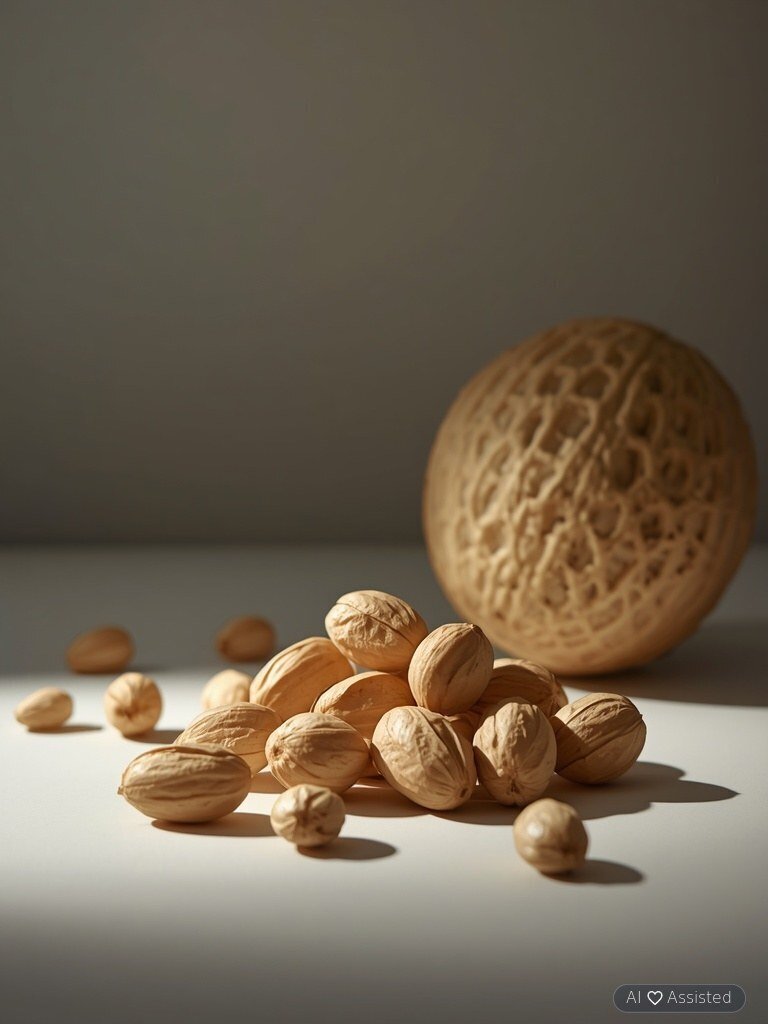
Pine Nuts (Pignolias) – Nutritional Characteristics, Sourcing, and Culinary Substitutes
Smart Voice
AITable of Contents 4
Owing to their remarkable nutritional density, edible seeds and nuts constitute an indispensable component of a balanced modern diet. Beyond ubiquitous tree nuts, pine nuts (pignolias) have gained widespread appreciation for their delicate, buttery flavor and rich spectrum of bioactive compounds. Packed with cardioprotective fatty acids, minerals, and antioxidants, they offer substantial metabolic and cardiovascular health benefits.
Botanical Origin and Culinary Versatility of Pine Nuts
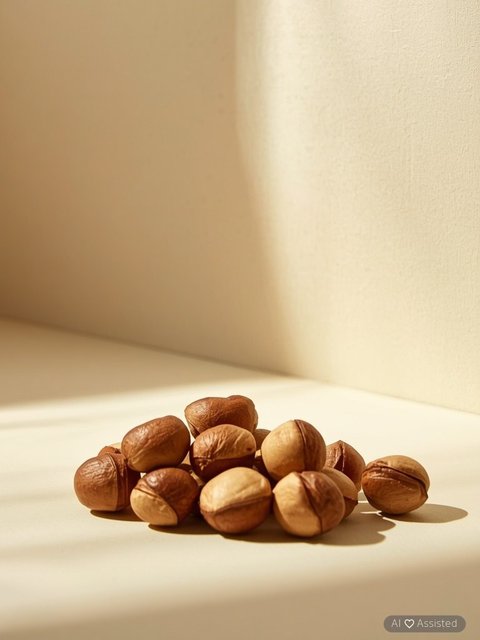
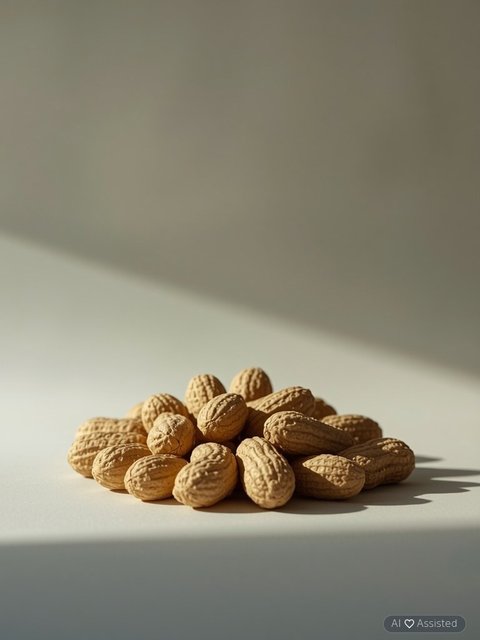
Pine nuts, frequently designated as pignolias, are the edible seeds harvested from the cones of select pine species. The most prized culinary varieties originate from the Mediterranean stone pine (Pinus pinea), while commercial alternatives are frequently harvested from Asian species such as Pinus koraiensis.
Appreciated since antiquity across Roman and Greek culinary traditions, these seeds are celebrated for their subtle resinous note and rich, buttery texture. Lightly toasting them releases delicate volatile oils that elevate salads, roasted vegetables, and baked goods. Most famously, pine nuts are the cornerstone of authentic Ligurian Pesto alla Genovese, ground alongside fresh basil, garlic, extra virgin olive oil, and aged Parmigiano Reggiano. Their versatility extends from Mediterranean and Middle Eastern savory dishes to delicate desserts such as Italian Torta della Nonna.
Nutritional Profile and Cardiovascular Health Benefits
Pine nuts provide an exceptionally dense matrix of cardioprotective and metabolic nutrients:
- Polyunsaturated Fatty Acids (PUFAs): Rich in linoleic acid and the unique pinolenic acid (an isomer of polyunsaturated fatty acid), pine nuts have been studied for their ability to stimulate satiety hormones (including cholecystokinin and GLP-1) and support healthy lipid profiles.
- Plant Sterols: Natural phytosterols competitively inhibit intestinal absorption of dietary cholesterol, fostering reduced levels of low-density lipoprotein (LDL) and supporting endothelial integrity.
- Vital Minerals and Vitamins: A 100 g serving provides approximately 250 mg of magnesium (crucial for neuromuscular transmission and glucose metabolism), alongside bioavailable zinc, copper (essential for iron assimilation and erythropoiesis), and folate.
- Antioxidant Capacity: Elevated concentrations of vitamin E (alpha-tocopherol) and polyphenols counteract reactive oxygen species (ROS), mitigating systemic oxidative stress and inflammatory signaling.
Purchasing, Sourcing, and Pine Mouth Syndrome
The labor-intensive harvest of pine cones and the mechanical challenge of extracting the kernel from its rigid protective shell explain why pine nuts rank among the most expensive seeds worldwide. Evaluating quality and provenance is paramount when purchasing:
Mediterranean stone pine nuts (Pinus pinea) feature an elongated, slender shape with a creamy ivory tint and an exquisite, resinous aroma. Commercial variants imported from Asian pine species (such as Pinus koraiensis or Pinus armandii) are typically shorter, plumper, and more budget-friendly. However, non-food-grade varieties like P. armandii have historically been associated with Pine Mouth Syndrome (metallogeusia).
This benign but unpleasant sensory condition manifests 24 to 48 hours post-consumption as an intense bitter, metallic taste exacerbated by other food and drink, resolving spontaneously within one to two weeks. Furthermore, due to their delicate polyunsaturated fatty acid matrix, pine nuts oxidize rapidly; they should always be stored in hermetic containers in a cold, dark environment, ideally refrigerated.
Culinary Substitutes and Cost-Effective Alternatives
Given the premium pricing of authentic Mediterranean pine nuts, numerous culinary and nutrient-dense substitutes can replicate their textural and flavor profile:
- Walnuts: The gold standard alternative in pesto preparations. They furnish a deep, earthy note while boosting cardiovascular health through substantial concentrations of plant-derived omega-3 (alpha-linolenic acid, ALA).
- Cashews: Thanks to their neutral, buttery richness and low fiber texture, soaked or toasted cashews emulate the melting mouthfeel of pine nuts in spreads, vegan creams, and sauces.
- Shelled Sunflower Seeds: A budget-conscious, allergen-friendly option that delivers high amounts of vitamin E, selenium, and phytosterols. Dry-toasting them imparts a nutty profile suitable for rustic pestos and crisp salads.
- Blanched Almonds: Sliced or ground almonds effectively match the tender crunch and mild aromatic notes required in confectionery, tagines, and pilafs.
Want to apply these guidelines in your daily diet?
Our smart diet generator creates a tailored meal plan in 3 minutes based on the recommendations in this article.
Tags

mgr Literatura: Kulik K., Waszkiewicz-Robak B. Orzechy jadalne jako źródło składników bioaktywnych. Trendy w żywieniu człowieka. Wydawnictwo Naukowe PTTŻ. Kraków, 2015: 143-156. Peckenpaugh N. Podstawy żywienia i dietoterapia. Urban & Partner, Wrocław 2011:87-121. Jarosz M. (red.) Normy żywienia dla populacji Polski. Instytut Żywności i Żywienia. Warszawa, 2017. Zdrojewicz Z., Wiśniewska A. Rola cynku w seksualności mężczyzn. Adv Clin Exp Med. 2005, 14, 6, 1295-1300. Włoscy gangsterzy masowo kradną orzeszki. Luksusowy towar https://www.polskieradio.pl/5/3/Artykul/1367920,Wloscy-gangsterzy-masowo-kradna-orzeszki-Luksusowy-towar
Diets Premium Expert
Diets Premium team expert. Specializes in nutrition plans, strength sports, and training plans.