Peanut Butter and Paste: Comprehensive Nutritional Density, Health Profile, and Dietary Applications
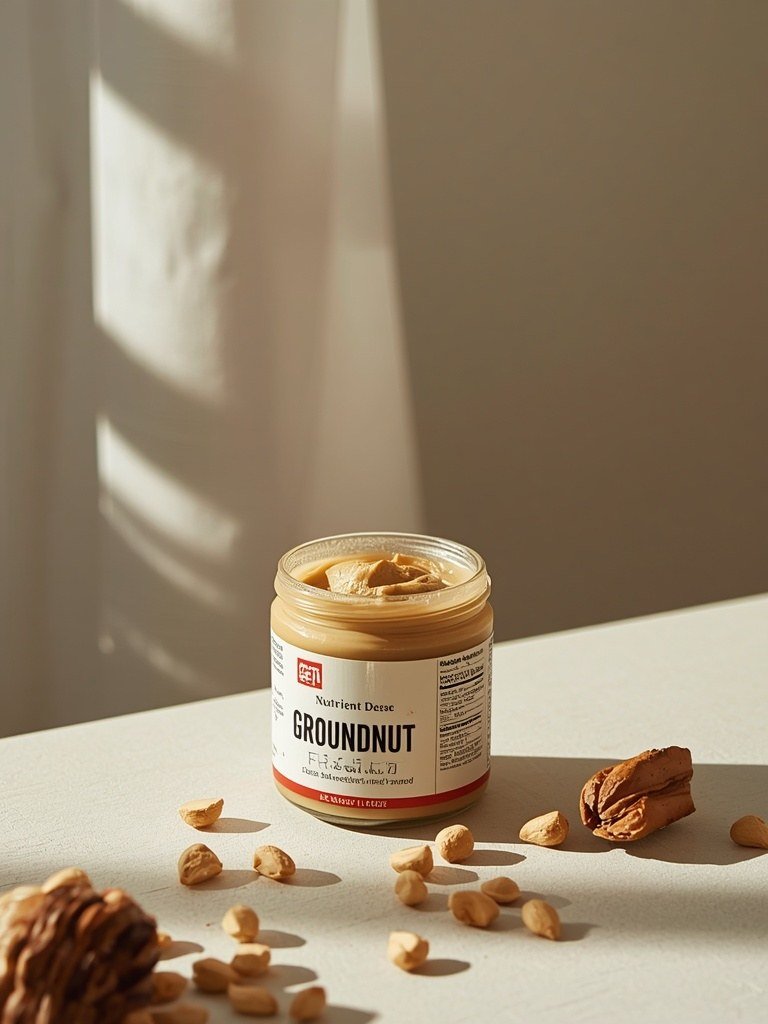
Table of Contents 6
Macronutrient Matrix: Plant Protein and Healthy Unsaturated Lipids
Nut butter produced from 100% roasted peanuts represents an exceptionally nutrient-dense whole-food staple. Per 100 grams, it supplies 25 to 28 grams of plant protein, making it an invaluable protein foundation in plant-based, vegetarian, and athletic regimens. Its amino acid profile is especially rich in L-arginine, leucine, and glutamic acid, accelerating tissue repair and muscular protein synthesis.
Lipids account for approximately 50% of total mass, dominated (over 80%) by monounsaturated oleic acid and polyunsaturated linoleic acid. This configuration provides dense, sustained caloric energy and fat-soluble nutrient absorption without industrial saturated fats or trans isomers.
B-Complex Vitamins and Iron: Support in Anemia and Pregnancy
Peanut butter is an outstanding dietary source of B vitamins governing cellular metabolism and hematopoiesis. Its remarkable concentration of vitamin B3 (niacin, fulfilling nearly 90% of daily adult requirements per 100 g) optimizes neurochemical balance and cellular energetics. Moreover, its rich folate (vitamin B9) content makes it an exceptional whole food for women of childbearing age and pregnancy, safeguarding fetal neural tube closure.
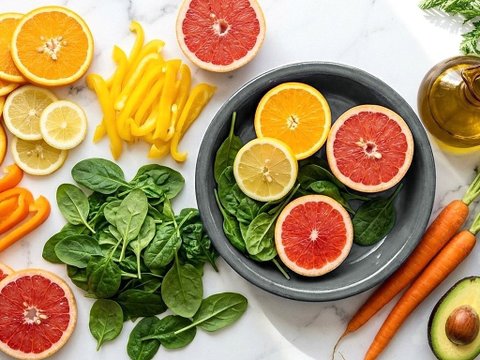
Peanuts also deliver valuable non-heme iron (trivalent Fe3+). To optimize mucosal iron bioaccessibility, pair peanut butter with vitamin C-dense foods (such as fresh berries, sliced kiwi, or citrus), which chemically reduces ferric iron to the highly absorbable ferrous state.
Resveratrol and Polyphenols: Antioxidant and Chemopreventive Capacity
Peanuts are among the few ubiquitous dietary items harboring meaningful quantities of trans-resveratrol—a renowned stilbenoid polyphenol historically highlighted in red wine extracts. Standard peanut butter yields approximately 40 to 60 micrograms of bioavailable resveratrol per 100 grams.
Resveratrol scavenges free radicals, stabilizes cellular membranes against lipid peroxidation, and modulates anti-inflammatory gene expression. Longitudinal nutritional trials correlate consistent childhood and adult peanut consumption with enhanced vascular endothelial tone and lower incidence of proliferative benign breast conditions.
Nourishing Skin, Hair, and Nails: The Role of Vitamin E and Biotin
Nutritious peanut spread serves as an effective nutritional cosmetic from within. It delivers abundant alpha-tocopherol (vitamin E), a fat-soluble antioxidant that seamlessly integrates into epidermal lipid bilayers, fortifying barrier hydration and combating photo-aging from UV exposure.
Furthermore, generous levels of biotin (vitamin B7), zinc, copper, and sulfur-bearing amino acids stimulate keratinocyte proliferation, strengthening hair shafts against breakage and combating brittle nail plates. Routine consumption directly enhances dermal suppleness and radiance.
Culinary Versatility: From Morning Porridge to Savory Peanut Sauces
Peanut paste transcends its familiar role on whole-grain toast and morning oats. Its naturally savory, roasted profile makes it a prized foundational ingredient in Southeast Asian and West African gastronomic traditions.
Classic peanut satay sauce is prepared by emulsifying peanut butter with warm coconut milk, tamari soy sauce, fresh ginger, minced garlic, and lime juice. It pairs flawlessly with grilled tempeh, poultry skewers, rice noodles, and wok-seared vegetables. In baking, it readily substitutes for dairy butter, imparting rich texture and wholesome moisture to healthy desserts.
Peanut Allergies: Immunological Mechanisms and Clinical Safety
Despite their profound nutritional pedigree, peanuts represent one of the most potent food allergens, driven by seed storage proteins Ara h 1, Ara h 2, and Ara h 3. In sensitized individuals with IgE antibodies, minuscule micrograms can trigger severe hypersensitivity reactions ranging from urticaria and facial angioedema to acute bronchospasm and life-threatening anaphylactic shock.
For non-allergic individuals, 100% peanut butter is thoroughly safe and health-promoting. Modern pediatric guidelines recommend introducing smooth peanut butter around 6 months of age alongside complementary feeding, which dramatically reduces the lifetime incidence of peanut allergy.
Want to apply these guidelines in your daily diet?
Our smart diet generator creates a tailored meal plan in 3 minutes based on the recommendations in this article.
Tags

Kacper Nowak
Diets Premium Expert
Diets Premium team expert. Specializes in nutrition plans, strength sports, and training plans.