Omega-3, omega-6, and omega-9 fatty acids: chemical structure, biological roles, and principles of dietary balance


Table of Contents 4
Medical & Editorial Disclaimer (§3 Terms): This article is for informational and educational purposes only, does not constitute medical advice, diagnosis, or treatment, and is used at your own risk. Consult a qualified physician for medical conditions.
A core physiological mechanism explored across the chapters is the enzymatic competition between polyunsaturated pathways for identical rate-limiting desaturase enzymes. When dietary patterns provide excessive amounts of linoleic acid and arachidonic acid, these substrates outcompete the conversion of plant-derived precursors into bioactive eicosapentaenoic acid and docosahexaenoic acid while shifting cellular signaling toward pro-inflammatory eicosanoids. Furthermore, the text highlights the physiological virtues of monounsaturated oleic acid, noting its superior resistance to thermal and free-radical peroxidation as well as its ability to support healthy blood lipid profiles and endothelial vasodilation when replacing saturated fats.
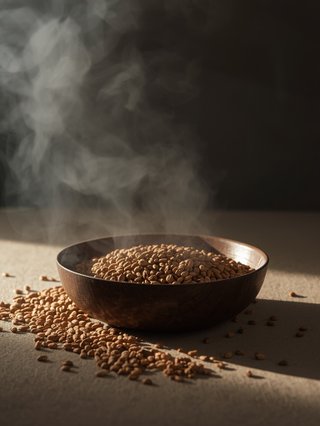
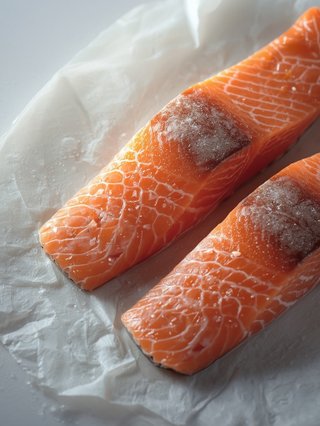
Translating this biochemistry into daily nutritional practice involves rebalancing culinary fat sources to support optimal metabolic harmony. Readers are encouraged to moderate their consumption of refined commercial seed oils derived from sunflower, corn, or soybean while prioritizing rich sources of essential marine and plant lipids such as wild salmon, mackerel, sardines, microalgae oil, freshly ground flaxseed, and walnuts. Incorporating extra virgin olive oil, whole avocados, almonds, macadamia nuts, and cold-pressed rapeseed oil provides stable monounsaturated fats that align with a wholesome Mediterranean dietary pattern.
Unsaturated fatty acids are central regulators of cell membrane biophysics, cellular receptor signaling, and systemic inflammatory pathways. While omega-3 (alpha-linolenic acid, EPA, DHA) and omega-6 (linoleic acid, arachidonic acid) constitute strictly essential polyunsaturated fatty acids (PUFAs), omega-9 (oleic acid) is a monounsaturated fatty acid (MUFA) that can be endogenously synthesized via stearoyl-CoA desaturase. Crucially, omega-3 and omega-6 pathways compete enzymatically for shared desaturase enzymes. This monograph details their biochemistry, eicosanoid cascades, nutritional sources, and optimal balance.
Biochemical Classification: Molecular Distinctions of Omega-3, 6, and 9
Nomenclature is defined by the position of the first double bond from the terminal methyl (omega) carbon:
- Omega-3 Polyunsaturates (n-3 PUFA): First double bond at carbon-3. Core molecules include alpha-linolenic acid (ALA, 18:3), eicosapentaenoic acid (EPA, 20:5), and docosahexaenoic acid (DHA, 22:6).
- Omega-6 Polyunsaturates (n-6 PUFA): First double bond at carbon-6. Governed by linoleic acid (LA, 18:2) and arachidonic acid (ARA, 20:4).
- Omega-9 Monounsaturates (n-9 MUFA): Single double bond at carbon-9. Exemplified by oleic acid (18:1); technically non-essential due to endogenous synthesis via delta-9 desaturase.
Enzymatic Competition and the Eicosanoid Balancing Cascade
Omega-3 and omega-6 pathways converge competitively within cellular biochemistry:
- Substrate Competition for Delta-6 Desaturase: Both families rely upon the identical rate-limiting desaturase enzymes; excessive omega-6 substrates outcompete ALA conversion into active EPA/DHA.
- Pro-Inflammatory Eicosanoid Spectrum (Omega-6): Arachidonic acid yields 2-series prostaglandins (PGE2) and 4-series leukotrienes (LTB4), driving vascular permeability, bronchoconstriction, and platelet aggregation.
- Specialized Pro-Resolving Mediators (Omega-3): EPA and DHA serve as substrates for 3-series prostaglandins, 5-series leukotrienes, and Specialized Pro-resolving Mediators (SPMs: resolvins, protectins, maresins) that actively terminate chronic inflammation.
Cardiometabolic Virtues of Omega-9 (Oleic Acid) and Mediterranean Longevity
Physiological advantages conferred by monounsaturated oleic acid:
- Atheroprotective Lipid Profile: Substituting saturated fats with oleic acid reduces circulating LDL cholesterol and apolipoprotein B without depressing protective HDL levels.
- Peroxidation Resistance: Possessing a single double bond, oleic acid resists thermal and free-radical peroxidation far better than polyunsaturated lipids.
- Endothelial Vasodilation: A central pillar of the Mediterranean diet, extra virgin olive oil enhances flow-mediated vasodilation and improves systemic insulin sensitivity.
Dietary Sources, The Optimal Omega Ratio, and Dosing Targets
Translating fatty acid biochemistry into actionable dietary practice:
- Omega-3 Reservoirs: Cold-water marine fish (wild salmon, mackerel, sardines), microalgae oil (vegan EPA/DHA), freshly ground flaxseed, and walnuts (ALA).
- Omega-6 Reservoirs: Commercial seed oils (sunflower, corn, soybean), poultry fat, and standard grain-fed animal products.
- Omega-9 Reservoirs: Extra virgin olive oil, whole avocados, almonds, macadamia nuts, and cold-pressed rapeseed oil.
- Optimal Ratio Target: Maintain an omega-6 to omega-3 ratio between 2:1 and 4:1. Health agencies recommend 250 mg to 500 mg combined EPA/DHA daily for preventative wellness, escalating to 1000 mg to 2000 mg for elevated triglycerides.
Want to apply these guidelines in your daily diet?
Our smart diet generator creates a tailored meal plan in 3 minutes based on the recommendations in this article.
Tags

Julia Wójcik
• 23.10.2026Diets Premium Expert
Diets Premium team expert. Specializes in nutrition plans, strength sports, and training plans.