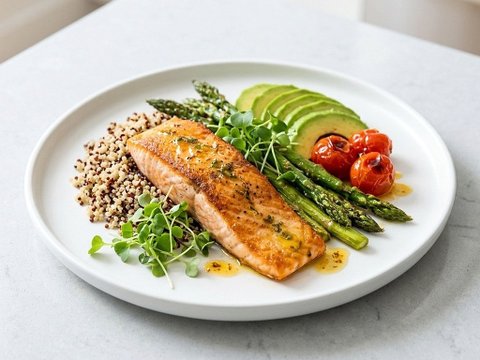
Nutritional constituents in foodstuffs and modifying conditions

Nutritional constituents in foodstuffs and modifying conditions
1 photo
674

Smart Voice

AI
0:00
0:00
Listen to the article content live
Table of Contents 2
Selecting nutritious foodstuffs as a source of protein, carbohydrates, fat, and other necessary components of a balancing diet is one of the essential prerequisites for remaining in good health. Nutritional constituents in foodstuffs are susceptible to the influence of many conditions, most of which we can impact.
01 / 02

Nutrient composition and its significance in human dietary requirements

The nutritional profile of a food item reflects its capacity to fulfill the daily metabolic, physiological, and energy demands of the human body. This value is determined not solely by the quantitative and qualitative composition of its constituents—including proteins, carbohydrates, lipids, vitamins, trace and major minerals, and water—but also by their bioavailability upon digestion. Within the body, these nutrients serve three core functions: contributing to the construction and repair of tissues and cells (structural role), providing the energy essential for sustaining vital activities (energetic role), and modulating biochemical processes and homeostasis (regulatory role).
02 / 02

Key determinants of food nutritional quality: essential aspects and underlying mechanisms

When examining diverse categories of food products, it is possible to identify a range of critical factors that significantly shape their nutritional profiles. A fundamental principle must be emphasized: the closer the final product remains—both in structure and composition—to its original raw material, the greater the quantity of bioactive nutrients it can deliver to the human body. The ultimate nutritional value of food products is primarily influenced by the following: the botanical specificity and cultivar variations of fruits and vegetables; the methods of animal husbandry and breeding—including the quality and type of feed provided, access to open spaces for movement, and opportunities for interaction with the natural environment. An animal’s diet directly impacts meat quality; a well-balanced feed composition can enhance the amino acid profile and fatty acid content, whereas inadequate feeding practices may lead to the accumulation of harmful compounds. Animals with access to free-range conditions develop superior muscle structure due to regular physical activity, resulting in firmer texture and improved sensory properties of the meat; culinary processing techniques—such as frying, boiling, or baking—which, while increasing the digestibility of certain nutrients, can simultaneously degrade heat-sensitive vitamins and minerals. Optimal methods are those that minimize nutrient loss, for example, steaming or baking at controlled, relatively low temperatures (approximately 150°C); storage conditions, temperature, and duration—which should be strictly aligned with manufacturer guidelines, as they possess detailed knowledge of the product’s specific requirements. For instance, plant-based oils must be stored in tightly sealed, opaque containers to shield them from sunlight, which accelerates oxidative degradation and vitamin breakdown. Most non-citrus fruits and vegetables retain their properties best under refrigerated conditions. A useful practice is to record the date of package opening to prevent the consumption of products stored beyond their optimal period, thereby avoiding potential quality deterioration; technological and mechanical processing—an inherent component of processed food production aimed at removing undesirable fractions such as pits, hulls, or peels. It is important to note, however, that these discarded components often contain the highest concentrations of bioactive compounds, meaning their removal may reduce the overall nutritional value of the final product.
Meal Plan

Want to apply these guidelines in your daily diet?

Our smart diet generator creates a tailored meal plan in 3 minutes based on the recommendations in this article.

mgr składników odżywczych znajduje się w niepoprawnie określanych „odpadkach”. Przeciwutleniacze znajdują się bezpośrednio pod skórką owoców, którą najczęściej wyrzucamy. Popularne otręby są produktem ubocznym produkcji kasz czy mąki i stanowią dobre źródło włókna pokarmowego; wzbogacanie żywności – jest procesem korzystnym jednak, lepiej spożywać produkty będące naturalnymi źródłami np. witamin czy składników mineralnych. Powód? Są często lepiej przyswajalnej przez organizm od form syntetycznych; biodostępność składnika odżywczego i jego forma chemiczna oraz fakt czy występuje on osobno czy w połączeniu z innym składnikiem – wybierając produkty, trzeba wziąć pod uwagę, że nie cała zawartość składnika mineralnego ulegnie przyswojeniu przez organizm. Zawartość w produktach substancji antyżywieniowych obniża wykorzystanie składników odżywczych. Do antyżywieniowych substancji zaliczamy: błonnik, kwas szczawiowy, fityniany, kwas fitynowy. Znajdują się one najczęściej w produktach zbożowych, z tego względu produkty roślinne zaliczane są do niepełnowartościowych źródeł np. białka; przenikanie substancji toksycznych z opakowań produktu do żywności – sztuczne opakowania otaczające produkt mogą być wykonane z materiałów, które niekorzystnie działają z samym produktem żywnościowym. Kasze czy ryż, lepiej kupić w opakowaniu kilogramowym zapakowanym w papierową torebkę, niż bardziej poręczne jednak mniej korzystne dla zdrowia porcjowane 100 g woreczki.
Wartość odżywcza produktu określa zawartość poszczególnych składników i stopień, w jakim ta zawartość wypełnia procent zapotrzebowania na dany składnik. Jest wiele czynników, które determinują lepszą lub gorszą wartość odżywczą produktu. Wybór tych korzystnych i zastosowanie ich w praktyce sprawi, że z szacunkiem wykorzystamy dobry produkt i maksymalnie skorzystamy z wachlarza zalet, które jego spożycie nam gwarantuje.
Scientifically reviewed by a clinical dietitian • 24.09.2026

mgr składników odżywczych znajduje się w niepoprawnie określanych „odpadkach”. Przeciwutleniacze znajdują się bezpośrednio pod skórką owoców, którą najczęściej wyrzucamy. Popularne otręby są produktem ubocznym produkcji kasz czy mąki i stanowią dobre źródło włókna pokarmowego; wzbogacanie żywności – jest procesem korzystnym jednak, lepiej spożywać produkty będące naturalnymi źródłami np. witamin czy składników mineralnych. Powód? Są często lepiej przyswajalnej przez organizm od form syntetycznych; biodostępność składnika odżywczego i jego forma chemiczna oraz fakt czy występuje on osobno czy w połączeniu z innym składnikiem – wybierając produkty, trzeba wziąć pod uwagę, że nie cała zawartość składnika mineralnego ulegnie przyswojeniu przez organizm. Zawartość w produktach substancji antyżywieniowych obniża wykorzystanie składników odżywczych. Do antyżywieniowych substancji zaliczamy: błonnik, kwas szczawiowy, fityniany, kwas fitynowy. Znajdują się one najczęściej w produktach zbożowych, z tego względu produkty roślinne zaliczane są do niepełnowartościowych źródeł np. białka; przenikanie substancji toksycznych z opakowań produktu do żywności – sztuczne opakowania otaczające produkt mogą być wykonane z materiałów, które niekorzystnie działają z samym produktem żywnościowym. Kasze czy ryż, lepiej kupić w opakowaniu kilogramowym zapakowanym w papierową torebkę, niż bardziej poręczne jednak mniej korzystne dla zdrowia porcjowane 100 g woreczki. Wartość odżywcza produktu określa zawartość poszczególnych składników i stopień, w jakim ta zawartość wypełnia procent zapotrzebowania na dany składnik. Jest wiele czynników, które determinują lepszą lub gorszą wartość odżywczą produktu. Wybór tych korzystnych i zastosowanie ich w praktyce sprawi, że z szacunkiem wykorzystamy dobry produkt i maksymalnie skorzystamy z wachlarza zalet, które jego spożycie nam gwarantuje.

Diets Premium Expert

Diets Premium team expert. Specializes in nutrition plans, strength sports, and training plans.

USDA FoodData Central EFSA PubMed Clinical Guidelines
Loading
Recommended articles in this category

Related Articles

Discover similar publications and expert insights.

Carbohydrates - classification, significance in nutrition and effects on GI levels
Carbohydrate
Carbohydrates - classification, significance in nutrition and effects on GI levels
⏱ 4 min czytania 📚 Carbohydrate
#Starch #Nutrition
Carbohydrates – their significance, division into simple and complex... where is the most carbohydrate?
Carbohydrate
Carbohydrates – their significance, division into simple and complex... where is the most carbohydrate?
⏱ 4 min czytania 📚 Carbohydrate
#Nutrition #Calories
The nutritional components of the Sola fish... Recipes for Sola fish
Seafood
The nutritional components of the Sola fish... Recipes for Sola fish
⏱ 5 min czytania 📚 Seafood
#Protein #Fatty Acids
Nutritional Intervention in Pancreatitis
Diet
Nutritional Intervention in Pancreatitis
⏱ 7 min czytania 📚 Diet
#Nutrition #Carbohydrates
Christmas bread flour - carob over cocoa advantage
Hydration
Christmas bread flour - carob over cocoa advantage
⏱ 3 min czytania 📚 Hydration
#Bread #Carbohydrates
After the Workout
Healthy Diet
After the Workout
⏱ 3 min czytania
#Healthy Diet #Nutrition Habits
Is a protein- and fat-based breakfast truly a good idea before training – or could it be a too simplified perspective?
Carbohydrates
Is a protein- and fat-based breakfast truly a good idea before training – or could it be a too simplified perspective?
⏱ 4 min czytania
#Carbohydrates #Fat Reduction
Black lentil seeds (Beluga) - properties and preparation method. What are the health benefits of consuming lentils?
Health Benefits
Black lentil seeds (Beluga) - properties and preparation method. What are the health benefits of consuming lentils?
⏱ 4 min czytania
#Health Benefits #Carbohydrates
The Dukan Diet: A Path to Health Decline
Health Conditions
The Dukan Diet: A Path to Health Decline
⏱ 3 min czytania 📚 Health Conditions
#Dietary Guidelines #Calorie Tracking

Low-carbohydrate nutrition in type 2 diabetes and PCOS management
Low-Carbohydrate Diet
Low-carbohydrate nutrition in type 2 diabetes and PCOS management
⏱ 4 min czytania
#Low-carbohydrate Diet #Sugar Consumption
Spelt flakes – Nutritional composition, culinary versatility, and ancient grain tolerance
Spelt Flakes
Spelt flakes – Nutritional composition, culinary versatility, and ancient grain tolerance
⏱ 6 min czytania
#Spelt Flakes #Complex Carbohydrates
Does Pasta Cause Weight Gain? Clinical Evidence, Glycemic Index, and Body Weight Regulation
Weight Management
Does Pasta Cause Weight Gain? Clinical Evidence, Glycemic Index, and Body Weight Regulation
⏱ 5 min czytania 📚 Weight Management
#Mediterranean Diet #Protein Intake
Nutritional Composition of Flour: Breakdown of Carbohydrates, Proteins, Lipids, Vitamins, and Trace Elements
Nutritional Science
Nutritional Composition of Flour: Breakdown of Carbohydrates, Proteins, Lipids, Vitamins, and Trace Elements
⏱ 3 min czytania 📚 Nutritional Science
#Nutritional Composition #Culinary Ingredient
Is it genuinely valuable to consume carbohydrates following exercise?
Pregnancy & Motherhood
Is it genuinely valuable to consume carbohydrates following exercise?
⏱ 4 min czytania 📚 Pregnancy & Motherhood
#Bodybuilding #Post-workout
States necessitating enhanced protein consumption
Macronutrients And Micronutrients
States necessitating enhanced protein consumption
⏱ 2 min czytania
#Macronutrients And Micronutrients #Macronutrients In Health
Glycemic Index – Foods with High and Low GI. Who Should Follow a Glycemic Diet?
Dietetics
Glycemic Index – Foods with High and Low GI. Who Should Follow a Glycemic Diet?
⏱ 6 min czytania 📚 Dietetics
#Nutrition #Glycemic Index
Potato Starch – Functional Properties, Resistant Starch, and Culinary Applications
Food Science
Potato Starch – Functional Properties, Resistant Starch, and Culinary Applications
⏱ 3 min czytania 📚 Food Science
#Blood Pressure Regulation #Electrolyte Balance
Shirataki (Konjac Noodles) – Nutritional Composition, Role in Weight Loss, Adverse Effects, and Culinary Uses
Food Science
Shirataki (Konjac Noodles) – Nutritional Composition, Role in Weight Loss, Adverse Effects, and Culinary Uses
⏱ 6 min czytania 📚 Food Science
#Weight Management #Nutritional Value
Low-protein diet: permitted and restricted foods for renal and hepatic health
Balanced Nutrition
Low-protein diet: permitted and restricted foods for renal and hepatic health
⏱ 5 min czytania
#Balanced Nutrition #Metabolic Processes
Beans – Varieties, Ingredients, Recipes. How to Cook Beans?
Carbohydrates In Diet
Beans – Varieties, Ingredients, Recipes. How to Cook Beans?
⏱ 4 min czytania
#Carbohydrates In Diet #Carbohydrates
Corn Flour – Characteristics, Culinary Applications, and Comparison with Cornstarch
Food Science
Corn Flour – Characteristics, Culinary Applications, and Comparison with Cornstarch
⏱ 5 min czytania 📚 Food Science
#Maize Starch #Functional
Rice Noodles Composition, Culinary Uses, and Preparation Methods – Guide with Recipes and Dietary Tips
Food Science
Rice Noodles Composition, Culinary Uses, and Preparation Methods – Guide with Recipes and Dietary Tips
⏱ 3 min czytania 📚 Food Science
#Complex Carbohydrates #Chicken Breast
Gluten-Free Flours – Varieties, Nutritional Profiles, Baking Properties, and Culinary Applications
Food Science
Gluten-Free Flours – Varieties, Nutritional Profiles, Baking Properties, and Culinary Applications
⏱ 4 min czytania 📚 Food Science
#Food Processing #Celiac Disease
Carbohydrates in the athlete's diet – requirements, sources, consumption before or after training
Carbohydrate
Carbohydrates in the athlete's diet – requirements, sources, consumption before or after training
⏱ 6 min czytania 📚 Carbohydrate
#Nutrition #Carbohydrates In Diet
Ferritin – Essential Component for Health and Proper Iron Management
Nutritional Science
Ferritin – Essential Component for Health and Proper Iron Management
⏱ 6 min czytania 📚 Nutritional Science
#Metabolic Processes #Metabolic
Nourishment for Parkinson's disease – diet with protein segmentation and reallocation
Nutrition
Nourishment for Parkinson's disease – diet with protein segmentation and reallocation
⏱ 2 min czytania 📚 Nutrition
#Parkinsons Disease #Nutrition
A comprehensive examination of sheep’s whey: Nutritional profile, distinctive traits, and the presence of lactose
Nutritional Science
A comprehensive examination of sheep’s whey: Nutritional profile, distinctive traits, and the presence of lactose
⏱ 4 min czytania 📚 Nutritional Science
#Plant-based Beverages #Nutritional Value
Mackerel – Nutritional Value, Omega-3 Fatty Acids (EPA and DHA), Selenium, and Culinary Uses
Food Science
Mackerel – Nutritional Value, Omega-3 Fatty Acids (EPA and DHA), Selenium, and Culinary Uses
⏱ 3 min czytania 📚 Food Science
#Coronary Artery Disease #Omega-3 Fatty Acids
Rice wafer crackers - manufacturing process, nutritional composition, advantages, and disadvantages
Healthy Snacks
Rice wafer crackers - manufacturing process, nutritional composition, advantages, and disadvantages
⏱ 4 min czytania 📚 Healthy Snacks
#Healthy Snack #Rice Flakes
Vegetable preserves – manufacturing process, advantages and disadvantages
Vegetables
Vegetable preserves – manufacturing process, advantages and disadvantages
⏱ 4 min czytania 📚 Vegetables
#Vegetable #Sauce

Share