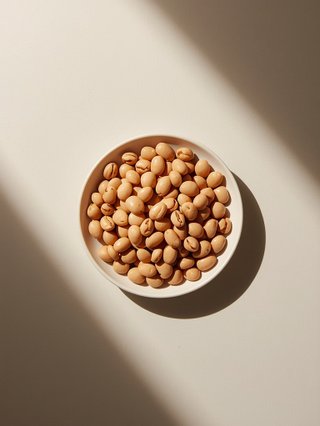
Is a protein and fat-based breakfast really a good idea before a workout – or is that too simplistic a view?


Table of Contents 3
Medical & Editorial Disclaimer (§3 Terms): This article is for informational and educational purposes only, does not constitute medical advice, diagnosis, or treatment, and is used at your own risk. Consult a qualified physician for medical conditions.
From a physiological standpoint, proponents suggest that a protein- and fat-rich meal helps minimize glycemic fluctuations, supports appetite control, and may encourage lipolytic activity. However, the article also explores the intricate biochemical mechanisms that influence pre-workout readiness and physical performance. In particular, it examines how fat metabolism alters glucose availability and how elevated blood levels of free tryptophan—an amino acid precursor to serotonin, a neurotransmitter linked to central fatigue—can influence focus, perceived energy levels, and exercise readiness.
In daily nutritional practice, there is no need to completely abandon protein- and fat-based breakfasts, as many individuals experience genuine improvements in subjective well-being, and training with reduced glycogen availability may offer specific adaptive benefits under certain conditions. Nevertheless, morning nutrition should not be treated as a rigid rule. Active individuals are encouraged to tailor their pre-workout meal composition to their specific training demands, cognitive focus, and personal metabolic response.
High-protein, high-fat morning meal: a metabolic and physiological examination of its effects on body composition
The impact of a high-protein, high-fat breakfast on pre-workout performance: biochemical mechanisms and practical considerations for athletes and physically active individuals
Evaluating high-protein, high-fat breakfast: scientific perspectives on benefits, misconceptions, and metabolic implications
Want to apply these guidelines in your daily diet?
Our smart diet generator creates a tailored meal plan in 3 minutes based on the recommendations in this article.

Literatura: https://www.ncbi.nlm.nih.gov/pubmed/2693569 Metabolic response of Acylation Stimulating Protein to an oral fat load. Cianflone K1, Vu H, Walsh M, Baldo A, Sniderman A. Acylation-stimulating Protein (ASP) Deficiency Induces Obesity Resistance and Increased Energy Expenditure in ob/obMice* Zhunan Xia, Allan D. Sniderman and Katherine Cianflone http://www.jbc.org/content/277/48/45874.full Nutritional intake and anthropometric changes of professional road cyclists during a 4-day competition. Sánchez-Muñoz C1, Zabala M1, Muros JJ2. https://www.ncbi.nlm.nih.gov/pubmed/26104055 Calorie for Calorie, Dietary Fat Restriction Results in More Body Fat Loss than Carbohydrate Restriction in People with Obesity. Hall KD1 https://www.ncbi.nlm.nih.gov/pubmed/26278052 The insulinogenic effect of whey protein is partially mediated by a direct effect of amino acids and GIP on β-cells. Salehi A1, Gunnerud U, Muhammed SJ, Ostman E, Holst JJ, Björck I, Rorsman P. https://www.ncbi.nlm.nih.gov/pubmed/22647249 ,,The role of AMP-activated protein kinase in regulation of skeletal muscle metabolism” Anna Dziewulska, Paweł Dobrzyń, Agnieszka Dobrzyń Korek E, Krauss H, Piątek J, Chęcińska Z. Regulacja hormonalna łaknienia. Med Og Nauk Zdr. 2013; 19(2): 211–217.
• 24.09.2026Diets Premium Expert
Diets Premium team expert. Specializes in nutrition plans, strength sports, and training plans.