Nigella Seeds – an unexpected treasure in tiny grains
1 photo
635
Smart Voice
AI
0:00
0:00
Listen to the article content live
Table of Contents 13
PRO Content
PRO
This article is professional premium content (PRO) provided in its entirety.
Nigella, a plant known for centuries, held prestige in ancient times. Its initial depiction originates from the Greek physician, pharmacologist, and botanist Pedanios Dioskurydes. Scientific research confirmed the properties of these seeds, which are used in folk medicine. Today, due to their multifarious effects, they are also employed in traditional medicine and are a valuable raw material in the cosmetic and food industries.
01 / 13
The origin of the plant known as black cumin
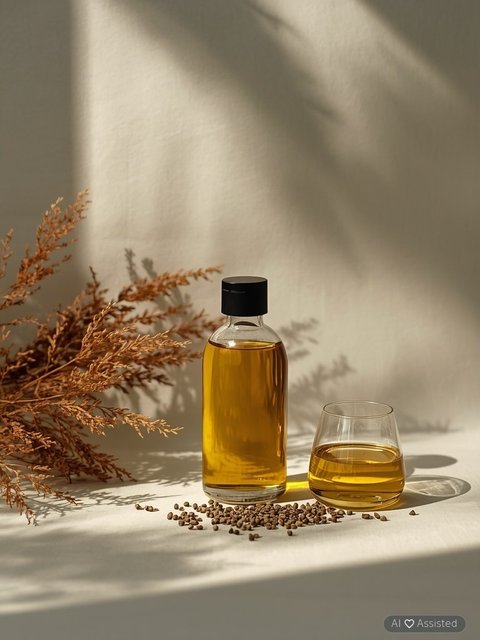
Nigella sativa, also known as black cumin, Egyptian cumin or coconut tree, is an annual plant in the buttercup family that originates from southeastern Europe, but is also found in northern Africa and Asia. In Poland it is a wild growing plant with distinctive blue flowers, but is also cultivated as a crop. The seeds obtained from it have a triangular shape and a black color, and are highly aromatic. Their taste is described as bitter-sweet, spicy and rooty.
02 / 13
Chemical constituents and nutritional value
Black cumin seeds comprise 36–38% oil, which is predominantly composed of unsaturated fatty acids. They are particularly rich in linoleic, arachidonic and eicosadiene acids. They also contain numerous biologically active substances such as alkaloids, steroids, flavonoids or saponosides. The small black seeds contain essential oils, among which nigellon and thymoquinone stand out for their broad range of health properties. Black cumin is a source of vitamins and mineral salts (Vitamin A, E, B-group, magnesium, iron, potassium, calcium, zinc).
03 / 13
Application of Black Cumin Seed Pods
The seed pods of black cumin are highly valued as a spice, especially in the Mediterranean, the Balkans, India, and Asia Minor. In Western Europe, they are less common. They are used as an alternative to pepper due to their sharp and spicy flavor and aroma. They do not cause irritation to the stomach, which allows people with sensitive digestive systems to use them. Sometimes they are also a component of curry-like blends. In Poland and many other countries, the seed pods of black cumin are used for baking bread, particularly for sprinkling on the bread before baking, which gives it an exceptional taste and aroma. In some regions, black cumin is a popular spice for fatty dishes, as it aids in their digestion. Due to its natural preservative properties, it is also added to pickled vegetables and marinated cucumbers to extend their freshness and shelf life. For culinary purposes, oil from the seed pods of black cumin is also used, while essential oil from the seeds is used for the production of liqueurs and nalewkas.
04 / 13
Utilization of blackberry kernels in cosmetics
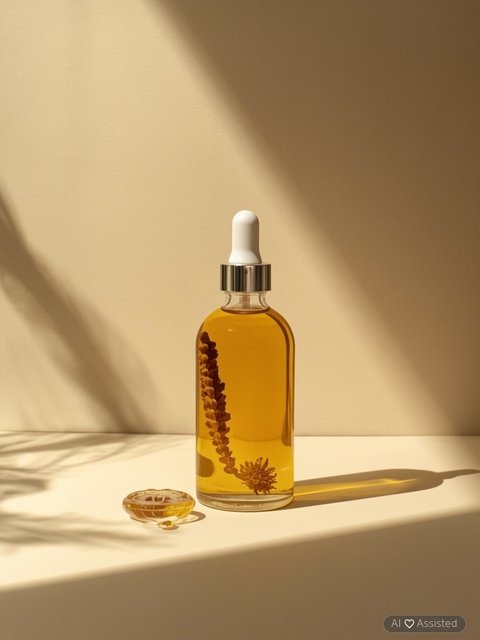
Blackberry kernels are a valued resource in the cosmetics sector. The oil extracted from them finds its application in skincare and haircare products. It assists in reducing wrinkles, demonstrates cleansing, anti-acne, and regulates the function of sebaceous glands. Haircare products containing blackberry oil possess hydrating, nourishing, and antiseptic attributes.
05 / 13
Antioxidative Properties
The root cause of numerous diseases is the formation of free radicals in the body. Perhaps due to its antioxidant properties, Nigella sativa has been known and used in medicine for a long time. Studies have shown that the substances contained in the seeds have antioxidant properties, which can be significant for health (A. Adamska, R. Ochocka 2016). Particularly, thymoquinone, a component of the essential oil, and seed oils can inhibit the synthesis of compounds that lead to the development of the inflammatory process. The antioxidant properties of Nigella seeds may contribute to the protection of the liver from hepatotoxic effects as well as fibrosis and cirrhosis of this organ (A. Adamska, R. Ochocka 2016). However, it is important to note that this analysis was conducted on animals, so the results cannot be directly applied to humans.
06 / 13
Effective antimicrobial action of black seed
Black seed possesses a broad range of antibacterial, antiviral, antifungal and antiparasitic activity. It is particularly effective against Gram-positive bacteria. Research has shown that it acts against Escherichia coli, Vibrio cholera, Staphylococcus albus and Staphylococcus aureus, which are common causes of infectious diseases in hospitals. Black seed oil also inhibits the growth of pathogenic gut bacteria from the Shigella family, responsible for bacterial infections, including dysentery. Scientific studies have confirmed that ingestion of 2 g of black seed led to the complete elimination of Helicobacter pylori, which is similar to the efficacy of standard pharmacotherapy (Eyad et al., 2010).
07 / 13
Anti-inflammatory characteristics
Black cumin seeds are widely recognized for their anti-inflammatory properties. They are recommended as a complement to the conventional treatment of rheumatoid arthritis (RA). Research has shown that the use of black cumin oil contributes to reducing the number of swollen joints and alleviating inflammation within them (H. Vahid, 2016). Such an effect plays a crucial role in the treatment of gout. Additionally, Nigella sativa exerts a beneficial effect by lowering the level of uric acid in the blood.
08 / 13
Antibacterial activity
The oil and seeds of black elderberry have been studied in the context of supporting diabetes treatment. The results of many studies indicate that it affects the gradual regeneration of beta cells in the pancreas, raises blood insulin levels, lowers blood glucose levels, and also improves morning glucose and glycated hemoglobin levels (M. Mathur et al. 2011). These parameters are used to monitor the effectiveness of diabetes treatment, and their improvement shows a positive effect of black elderberry on the glucose-insulin economy. This is significant for people with insulin resistance as it restores the sensitivity of cells to insulin. Scientific studies have shown that the positive effect can be achieved by consuming just 2 g of black elderberry seeds or 5 ml of oil per day (N. Ahmad et al. 2008; A. Bamosa et al. 2010).
09 / 13
Properties inhibiting cancer development
Nigella sativa possesses properties that inhibit cancer development, primarily impacting the cell cycle and inhibiting the synthesis of nucleic acids and angiogenesis, which is a process that involves the formation of new blood vessels in a variety of malignant tumors. Additionally, it promotes the synthesis of anti-inflammatory cytokines (e.g. interleukin and interferon), which is significant for anti-cancer processes. Moreover, nigella supports the apoptosis of cancer cells, i.e., their natural death, which is mainly attributed to the content of thymoquinone. Numerous studies have investigated the impact of this compound on various tumor cell lines, demonstrating significant cytotoxicity against uterine sarcoma, pancreatic adenocarcinoma, liver cancer, and leukemia (M. Borusiewicz, Z. Janeczko 2015; A. Adamska, R. Ochocka 2016).
10 / 13
The anti-allergic impact
Black seed may be beneficial in reducing the symptoms of allergic nasal congestion (supporting standard treatment). A team of scientists conducted a study that found that black seed oil reduced the bleeding of the nasal mucosa, itching, fever, and sneezing attacks. These effects were observed after 15 days of regular oil intake (S. Nikakhlagh et al. 2011). The oil is also recommended for supporting the treatment of asthma. Particularly good results, including the reduction of cough symptoms, were observed in children. This may be due to the anti-allergic and anti-spasmodic effects of the active ingredients in the seeds.
11 / 13
Preservative and anti-inflammatory effects
The substances present in garlic seeds exhibit a protective effect on the stomach mucous membrane, increasing mucus production, which enables them to display regenerative properties. Furthermore, they diminish the secretion of gastric acid, which can be advantageous in treating conditions of hyperacidity and ailments associated with excessive production of stomach salinity. By counteracting Helicobacter pylori bacteria, garlic exhibits an anti-inflammatory effect and supports the regeneration of the liver and pancreas.
12 / 13
Boosting immunity
Black pepper has properties that enable the regulation of immune system functions, which is vital for its proper functioning. The bioactive components in black pepper have the ability to stimulate and increase the number of immune cells, resulting in a mobilization of the immune system. Consequently, black pepper can aid the body in combating infections and preventing the development of diseases. Furthermore, black pepper exhibits anti-inflammatory properties that may be beneficial in conditions such as atopic dermatitis or rheumatoid arthritis.
13 / 13
Summary
Scientists continuously examine the health impact of black pepper seeds on the human body. It is a product of exceptional value, and due to its wide and beneficial effects, it is considered a so-called superfood. It is recommended to include these small seeds in the diet, as well as the oil obtained from them. However, it should be noted that allergic reactions are possible, so caution should be exercised, especially in the case of children. For this reason, the introduction of oil should be done gradually. Due to the intense taste and smell of the oil, it is advisable to take it with a meal. A good solution is to mix the oil with honey or fruit syrup, such as strawberries or black elderberry.
Meal Plan
Want to apply these guidelines in your daily diet?
Our smart diet generator creates a tailored meal plan in 3 minutes based on the recommendations in this article.

Scientifically reviewed by a clinical dietitian
• 16.03.2026
mgr Adamska A., Ochocka R., Nigella sativa źródłem związków bioaktywnych, „Postępy Fitoterapii” 2016, 17(2), 97–105. Ahmad N. et al., Effect of Nigella sativa oil on various clinical and biochemical parameters of insulin resistance syndrome, „International Journal of Diabetes in Developing Countries” 2008, 28(1), 11–14. Bamosa A. et al., Effect of Nigella sativa seeds on the glycemic control of patients with type 2 diabetes mellitus, „The Indian Journal of Physiology and Pharmacology” 2010, 54(4), 344–354. Boskabady M. et al., The possible prophylactic effect of Nigella sativa sed extract in asthmatic patients, „Fundamental and Clinical Pharmacology” 2007, 21, 559–566. Borusiewicz M., Janeczko Z., Nigella sativa L. – roślinny surowiec o właściwościach plejotropowych, „Postępy Fitoterapii” 2015, (16)4, 223–236. Eyad M. et al., Comparative Study of Nigella sativa and Triple Therapy in Eradication of Helicobacter pylori in Patients with Non-Ulcer Dyspepsia, „Saudi Journal of Gastroenterology” 2010, 16(3), 207–214. Hannan A., Anti-bacterial activity of Nigella sativa against clinical isolates of methicillin resistant Staphylococcus aureus, „Journal of Ayub Medical College Abbottabad” 2008, 20, 72–74. Jurczak R., Reguła J., Właściwości prozdrowotne czarnuszki siewnej i jej znaczenie w leczeniu dny moczanowej, „Forum Zaburzeń Metabolicznych” 2018, 9(3), 95–102. Kalus U. et al., Effect of Nigella sativa (black seed) on subjective feeling in patients with allergic diseases, „Phytotherapy Research” 2003, 17, 1209–1214. Kapoor S., Emerging clinical and therapeutic applications of Nigella sativa in gastroenterology, „World Journal of Gastroenterology” 2009, 7, 2170–2171. Khaled A., Gastroprotective effects of Nigella sativa oil on the formation of stress gastritis in hypothyroidal rats, „International Journal of Physiology, Pathophysiology and Pharmacology” 2009, 1, 143–149. Kheirouri S., Hadi V., Alizadeh M., Immunomodulatory Effect of Nigella sativa Oil on T Lymphocytes in Patients with Rheumatoid Arthritis, „Immunological Investigations” 2016, 45(4), 271–283. Kaźmierczak A., Wcisło-Dziadecka D., Zmarzły A., Zdrowie z natury – czarnuszka siewna w produktach kosmetycznych i leczniczych, „Postępy Nauk Medycznych” 2018, 31(1A), 61–64. Mathur M. et al., Antidiabetic Properties of a Spice Plant Nigella sativa, „Journal of Endocrinology and Metabolism” 2011, 1(1), 1–8. Nikakhlagh S. et al., Herbal treatment of allergic rhinitis: the use of Nigella sativa, „American Journal of Otolaryngology” 2011, 32(5), 402–407. Vahid H., Effects of Nigella sativa oil extract on inflammatory cytokine response and oxidative stress status in patients with rheumatoid arthritis: a randomized, double-blind, placebo-controlled clinical trial, „Avicenna Journal of Phytomedicine” 2016, 6(1), 34–43. Wolski T., Najda A., Wolska-Gawron K., Zawartość lipidów i olejku eterycznego oraz właściwości biologiczne nasion czarnuszki siewnej (Nigella sativa L.), „Postępy Fitoterapii” 2017, 18(3), 235–241.
Diets Premium Expert
Diets Premium team expert. Specializes in nutrition plans, strength sports, and training plans.
USDA FoodData Central
EFSA
PubMed Clinical Guidelines