PRO
7 min read
Mung Bean Sprouts – Features and Recipes
1 photo
577
Smart Voice
AI
0:00
0:00
Listen to the article content live
Table of Contents 12
PRO Content
PRO
This article is professional premium content (PRO) provided in its entirety.
A good diet is one of the fundamental components of health -- a properly composed diet provides the body with all the necessary macro- and micronutrients, as well as the energy required to function correctly throughout the day.
01 / 12
What are the distinctive taste characteristics of mung bean sprouts and their culinary applications?
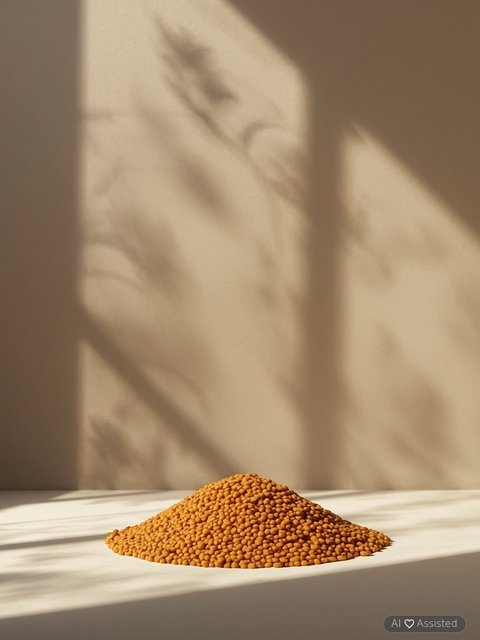
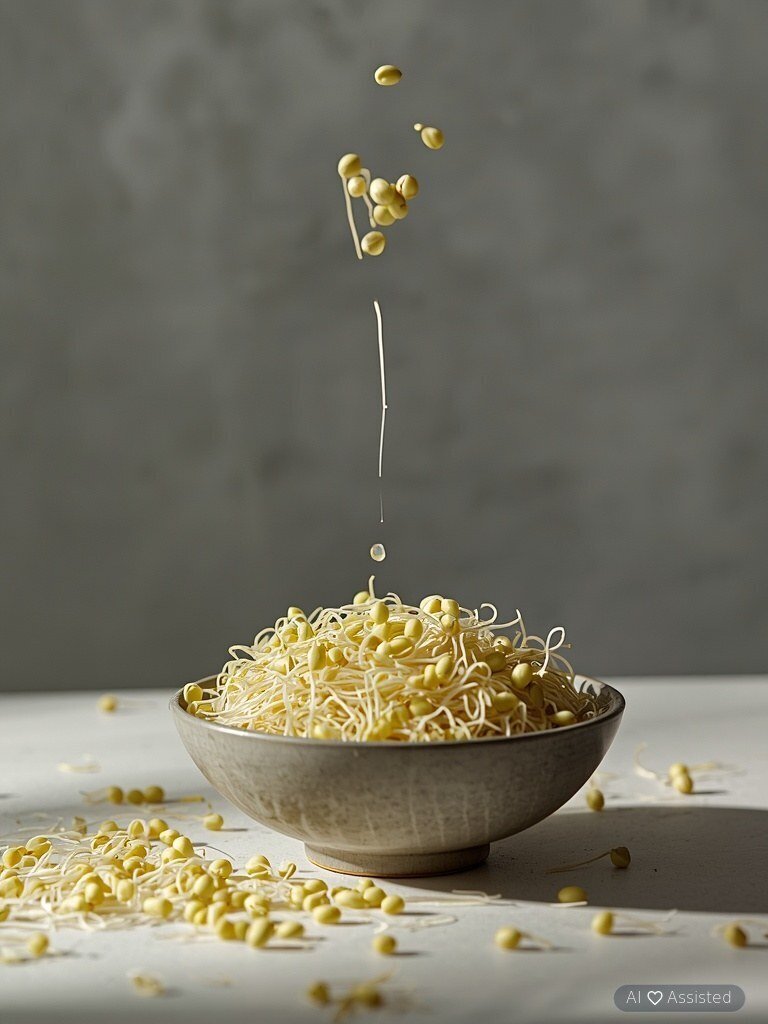
Though originating from Indian culinary traditions, mung bean sprouts have gained widespread recognition through Chinese cuisine, where they have become a staple ingredient in countless dishes. Among other well-known sprouts—such as soybean, radish, or cress—those derived from mung beans stand out due to their pale yellow, almost milky hue and their distinctive dual texture: simultaneously crisp yet remarkably tender. Their flavor profile evokes freshly shelled peas, characterized by a pronounced sweetness subtly interwoven with a faint bitterness. While this taste may not immediately appeal to everyone, their exceptional nutritional benefits—particularly in supporting metabolic function and aiding weight management—render them a valuable component of a balanced diet.
02 / 12
What are the health benefits of mung bean sprouts, and should they be incorporated into a balanced diet?
Mung bean sprouts represent an exceptionally nutrient-dense dietary component with well-documented health-promoting attributes. Containing a mere 18 kilocalories per 100 grams, they serve as an optimal ingredient for low-calorie meal preparations. Scientific research confirms that dishes enriched with these sprouts exhibit potent antioxidant properties, effectively counteracting the deleterious effects of free radicals. Consistent consumption of mung bean sprouts has been shown to decelerate the biological aging process while aiding in the mitigation of chronic inflammatory conditions. Furthermore, their regular inclusion in one’s diet contributes to the reduction of blood cholesterol levels, a factor of paramount importance for cardiovascular health maintenance. These sprouts also constitute a valuable source of highly bioavailable B-complex vitamins and vitamin C, both of which play pivotal roles in fortifying the body’s innate immune defenses, thereby enhancing resistance to external pathological agents.
03 / 12
Mung bean sprouts – comprehensive nutritional profile and health-promoting attributes
The most notable advantage of mung bean sprouts lies in their exceptionally low caloric density—providing merely 25–30 kilocalories per 100 grams, a fraction of the energy content found in comparable plant-based foods such as nuts (which exceed 600 kcal/100 g). This minimal caloric contribution allows them to serve as a nutritious yet lightweight addition to daily meals without risking excessive energy intake. Beyond their low-calorie profile, mung beans are distinguished by their high content of readily digestible plant-based protein, while simultaneously avoiding the digestive discomfort—such as bloating or gas—commonly associated with other legumes. As a result, they represent an optimal dietary supplement for vegetarians and individuals with sensitive digestive systems.
The mineral composition of these sprouts is remarkably comprehensive, featuring potassium (which regulates fluid balance and blood pressure), magnesium (critical for bone density, dental health, and muscle contraction), calcium (essential for skeletal mineralization), phosphorus (a vital component of neural tissue and cell membranes), iron (which prevents microcytic anemia), zinc (promoting skin, hair, and nail integrity), iodine (necessary for thyroid hormone synthesis), and manganese (which aids in neutralizing harmful free radicals). Additionally, mung bean sprouts are abundant in antioxidant vitamins (A, C, E, and K), which bolster immune defense, mitigate autoimmune disorders, and reduce the risk of chronic diseases such as atherosclerosis, type 2 diabetes, hypertension, and cardiovascular conditions. The B-complex vitamins present in these sprouts facilitate metabolic energy production, support neurological function, and enhance cardiovascular health. A further benefit is their dietary fiber content, which optimizes intestinal motility, lowers the risk of colorectal cancers, and prevents constipation. With negligible fat content and zero cholesterol, mung bean sprouts emerge as not only a nutrient-dense but also a heart-healthy food option—safe for regular consumption even in larger quantities.
04 / 12
What practical applications do mung bean sprouts have in everyday nutrition?
Mung bean sprouts represent an exceptionally versatile ingredient that pairs seamlessly with classic Asian dishes, particularly those from Chinese cuisine. Their delicate, subtly nutty flavor evokes comparisons to freshly shelled peas, making them equally compatible with traditional Polish meals characterized by a mild taste profile. The range of culinary applications is extensive: they can be consumed raw as a nutritious addition to whole-grain bread or incorporated as a vital nutritional component in salad compositions. Furthermore, their tender texture and neutral aroma render them an ideal complement to meat-based dishes, introducing a refreshing crunch without overpowering the primary flavors of the meal.
05 / 12
Are bean sprouts genuinely a worthwhile pairing for stir-fry dishes?
Pan-seared bean sprouts represent an exceptionally versatile ingredient that pairs seamlessly with scrambled eggs, a variety of meat preparations, grains of differing textures, pasta in diverse shapes, rice with varying degrees of stickiness, and even crispy french fries. Their subtly sweet yet pronounced flavor profile, complemented by a delicate crunch, enhances the sensory complexity of countless dishes spanning global culinary traditions—from Asian stir-fries to European sautéed delicacies.
06 / 12
What culinary potential does mung bean hold? Explore the unexpected uses of this versatile ingredient!
Mung beans represent an extraordinarily versatile ingredient that serves as an excellent foundation for a wide array of meat-free dishes characterized by rich flavor profiles and nutritional density. Their tender yet adaptable texture, combined with a subtly neutral taste, makes them an optimal component for crafting fragrant vegetable pâtés, crispy cutlets, or succulent meatballs with a well-balanced consistency. Furthermore, when ground or cooked, these legumes can be transformed into smooth, spreadable pastes for sandwiches—offering a delicate yet satisfying depth—or used as a filling for juicy pulpets, imparting moisture and heartiness without reliance on meat. Their unique properties facilitate experimentation with textures, ranging from velvety purées to crispy breaded coatings, rendering them an indispensable staple in functional vegetarian cooking.
07 / 12
Mung bean sprouts – culinary inspirations and time-tested recipes from global cuisines
Mung bean sprouts have long been a staple in traditional Asian dishes such as spring rolls and flavorful soups, yet their remarkable versatility also allows for creative incorporation into European cuisine. They pair exceptionally well with pasta-based dishes—whether Italian lasagna, al dente spaghetti with pesto, or delicate noodles with vegetables. Equally compelling flavor combinations emerge when combined with rice dishes and an array of vegetables, served either warm or chilled. Another inspired application is in refreshing salads, perfect for spring and summer, where they complement mixed greens, juicy tomatoes, crisp cucumbers, peppery arugula, and additions like sunflower seeds, sesame, corn, or green peas. For connoisseurs of bold flavors, we recommend using sprouts as an accompaniment to meat dishes—particularly poultry or fish—where they can effortlessly replace conventional salads. **Recipe for tuna salad with mung bean sprouts**: **Ingredients**: tuna in its own juice (1 can), mung bean sprouts (1 can), corn (1 can), red kidney beans (1 can), pickled cucumbers (5 pieces), pepper, salt, mayonnaise, plain yogurt, parsley. **Preparation**: Combine tuna with the remaining ingredients, season to taste, add chopped parsley, and a dressing made from mayonnaise and yogurt (1:1 ratio). Mix thoroughly and serve. **Alternative recipe for salad with sprouts, cherry tomatoes, and Parmesan**: **Ingredients**: Napa cabbage, mung bean sprouts (1 can), cherry tomatoes (400 g), corn (1 can), peas (1 can), olives (1 jar), olive oil, sesame seeds, Parmesan. **Preparation**: Finely shred the Napa cabbage and mix with the remaining ingredients. Drizzle with olive oil, sprinkle with sesame seeds, toss, and arrange in salad bowls. Finally, garnish with grated Parmesan. For further details on mung beans—including nutritional properties, cooking techniques, and additional recipes—explore our upcoming articles.
08 / 12
Growing Mung Bean Sprouts at Home – A Step-by-Step Practical Guide
Mung bean sprouts are widely available in grocery stores, offered either as canned or jarred products or as fresh produce sealed in shrink-wrapped packaging. The price for 150 grams typically ranges from 3 to 7 złoty, depending on the brand and packaging type. An alternative approach involves cultivating the sprouts independently at home, which is both cost-effective and ensures optimal freshness. The process entails placing the seeds in a dedicated sprouter or glass container, maintaining consistent hydration, and adhering to hygienic conditions. Under proper care—including daily water replacement if mold appears—the sprouts will be ready for consumption within 3–4 days. For enhanced microbiological safety, it is advisable to briefly immerse the sprouts in hot water (70–100°C for approximately 20 seconds) prior to eating, effectively eliminating surface bacteria. Home cultivation offers distinct advantages, such as minimal expense, ease of preparation, and the ability to harvest fresh sprouts on demand in quantities tailored to personal requirements. Frequently asked questions (FAQ) regarding this method are addressed below.
09 / 12
Is it genuinely possible to consume mung bean sprouts in their uncooked, raw state without processing?
Mung bean sprouts are indeed safe for raw consumption, serving as a nutritious and flavorful addition to sandwich fillings and an array of salad compositions. Furthermore, when subjected to thermal processing—such as boiling—they develop an even richer and more pronounced taste profile. A common culinary practice involves briefly blanching these sprouts, which helps preserve their crisp texture while mitigating potential microbial contaminants.
10 / 12
Where exactly can one reliably purchase mung bean sprouts and how should they be stored properly?
Mung bean sprouts are readily available in most organic food stores as well as in the health food sections of major supermarkets. Alternatively, they can be conveniently cultivated at home with minimal effort and without the need for specialized equipment. To produce fresh sprouts, the beans should first be soaked in clean water for a minimum of eight hours, preferably overnight. After draining any excess liquid, they should be transferred to a breathable, natural-fiber container, such as a linen bag or a fine-mesh strainer. The ideal germination conditions include room temperature and consistent moisture—typically, the sprouts will be ready for consumption within three to four days. However, it is crucial to note that due to their delicate texture, they should not be subjected to freezing, as this process compromises both their signature crispness and nutritional integrity.
11 / 12
Which sprouts stand out for their highest nutritional value and why?
Selecting the most nutritious sprouts depends on the body’s individual requirements for vitamins, minerals, and other bioactive compounds. Among the sprouts with exceptional health-promoting properties are mung bean sprouts, which are rich in plant-based protein and antioxidants; sunflower sprouts, a source of vitamin E and healthy fatty acids; as well as soybean, broccoli, and cress sprouts, which provide the body with valuable nutrients such as vitamin C, folic acid, and sulfur-containing compounds known for their anticancer effects.
12 / 12
Does a genuine culinary method exist for pan-frying mung bean sprouts, and what gastronomic outcomes does this technique yield?
Undoubtedly, mung bean sprouts subjected to pan-frying emerge as an exquisite culinary component—especially when paired with succulent beef cuts and a robust, fermented soy sauce that accentuates their subtle nutty undertones and crisp, satisfying texture.
Meal Plan
Want to apply these guidelines in your daily diet?
Our smart diet generator creates a tailored meal plan in 3 minutes based on the recommendations in this article.
Tags

Scientifically reviewed by a clinical dietitian
• 25.09.2026
Literatura: Peckenpaugh N. Podstawy żywienia i dietoterapia. Urban & Partner, Wrocław 2011:87-108. Kiełki fasoli mung – azjatycki przysmak. http://zdrowie.gazeta.pl/Zdrowie/7,101460,19737668,kielki-fasoli-mung-azjatycki-przysmak.html dostęp: 10.06.2018 Samotyja U. i wsp. Przeciwutleniające właściwości ekstraktów z kiełków roślin. ŻYWNOŚĆ. Nauka. Technologia. Jakość. 2007: 5 (54), 122-128. Lewicki P. Kiełki nasion jako źródło cennych składników odżywczych. ŻYWNOŚĆ. Nauka. Technologia. Jakość. 2010: 6 (73), 18-33.
Diets Premium Expert
Diets Premium team expert. Specializes in nutrition plans, strength sports, and training plans.
USDA FoodData Central
EFSA
PubMed Clinical Guidelines