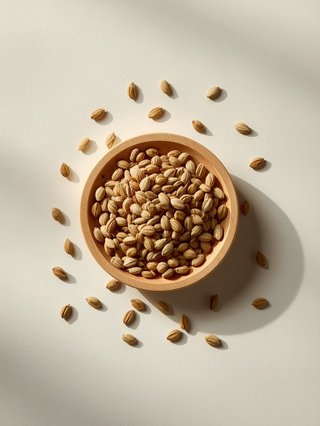
Millet flakes – glycemic index, caloric content, and preparation methods for a healthy diet
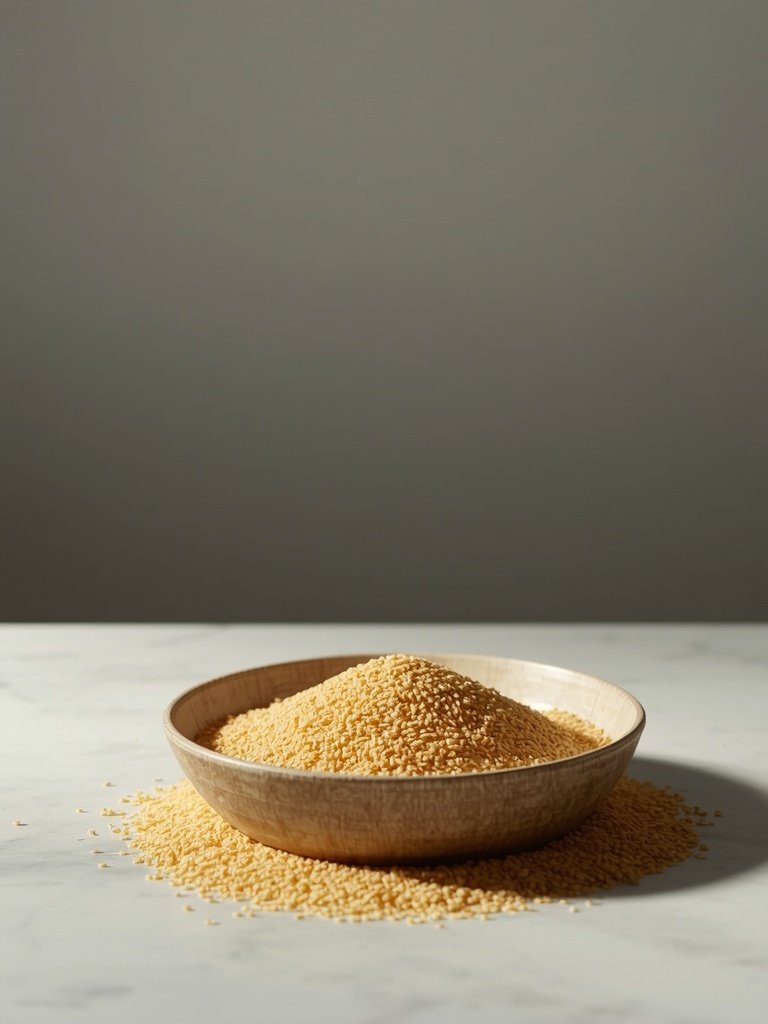
Table of Contents 3
Medical & Editorial Disclaimer (§3 Terms): This article is for informational and educational purposes only, does not constitute medical advice, diagnosis, or treatment, and is used at your own risk. Consult a qualified physician for medical conditions.
From a physiological perspective, millet flakes are rich in B-complex vitamins, which are essential for maintaining efficient energy metabolism and supporting cognitive function. A notable feature is their concentration of silica, a mineral that plays a significant role in collagen synthesis. This process contributes to maintaining skin elasticity and promoting the resilience of hair and nails, while the presence of antioxidants helps protect the body against cellular stress.
Practical application in the kitchen is straightforward, as the flakes soften quickly when combined with hot liquids to create a creamy texture. They are perfect for preparing nourishing breakfast bowls or blending into nutrient-dense smoothies. To optimize metabolic response, it is advisable to pair these flakes with sources of healthy fats or proteins, which helps to create a more balanced and sustained release of energy throughout the day.
Millet flakes represent a wholesome, naturally gluten-free grain product derived from dehulled proso millet kernels. For individuals managing celiac disease or gluten sensitivities, they serve as a gentle and versatile dietary staple. Packed with essential B-complex vitamins (thiamine, riboflavin, niacin), they sustain cognitive performance and metabolic energy production. Furthermore, their notable concentration of bioavailable silica actively promotes collagen synthesis, enhancing epidermal suppleness, hair follicle vitality, and nail resilience.
Millet flakes – glycemic index, caloric density, and nutritional breakdown
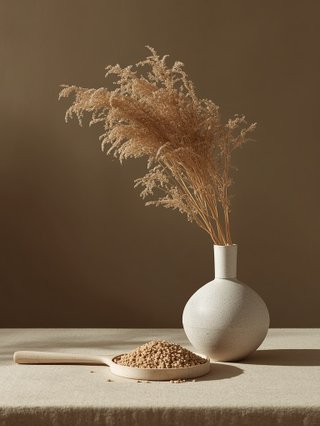
Millet flakes exhibit a golden hue, delicate aroma, and exceptional digestibility. A 100 g serving of dry flakes provides approximately 360 kcal, delivering 10 g of plant protein, 4 g of healthy lipids, and 69 g of complex carbohydrates alongside roughly 3 g of dietary fiber. Because mechanical flaking and hydrothermal treatment increase starch gelatinization, millet flakes possess a moderate-to-high glycemic index (GI around 70). Individuals with diabetes or insulin resistance should pair them with dietary proteins (Greek yogurt, cottage cheese), healthy fats (nuts, seeds), and extra fiber to attenuate the postprandial glucose spike.
How to properly cook and prepare millet flakes?
Preparing millet flakes is fast and straightforward, saving valuable morning time. Unlike whole millet groats, flakes do not require prolonged rinsing or dry-toasting to eliminate bitter saponins. Simply combine them with hot water, milk, or unsweetened plant-based beverage in a 1:2 volume ratio, cover, and let stand for 3 to 5 minutes until soft and creamy. Simmering them gently for 2 minutes produces a velvety porridge. They also perform brilliantly when blended into nutrient-rich smoothies, incorporated into baked goods, or used as a wholesome binder for vegetable patties.
Wholesome culinary recipes with millet flakes
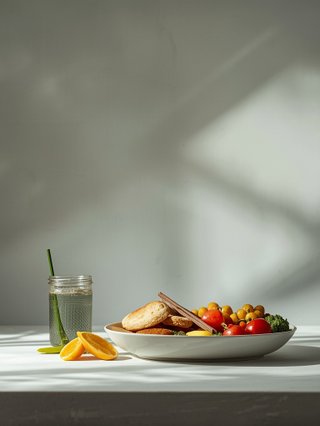
Millet flakes adapt seamlessly to varied sweet and savory recipes. For an energizing breakfast bowl, steep 5 tablespoons of millet flakes in hot almond milk, stirring in Ceylon cinnamon, a handful of raw walnuts, and sliced fresh banana. For a nutritious on-the-go snack, create crispy coconut millet cookies: mix one cup of millet flakes with 4 tablespoons of shredded coconut, 2 tablespoons of pure honey, and 2 tablespoons of melted coconut oil, form into rounds, and bake at 180°C (350°F) for 12–15 minutes until lightly golden. It delivers clean, long-lasting vitality.
Want to apply these guidelines in your daily diet?
Our smart diet generator creates a tailored meal plan in 3 minutes based on the recommendations in this article.
Tags

Literatura: Achremowicz B., Kaszuba J., Puchalski C., Wiśniewski R., Porównanie cech fizycznych i sensorycznych płatków zbożowych różnego pochodzenia, Żywność. Nauka. Technologia. Jakość, 2016, 6, 109, s. 55 Achremowicz B., Kaszuba J., Puchalski C., Wiśniewski R., Płatki zbożowe – ocena porównawcza. Cz. 1. Porównanie składu chemicznego i mineralnego, Postępy Techniki Przetwórstwa Spożywczego, 2016, 2, s. 97
Diets Premium Expert
Diets Premium team expert. Specializes in nutrition plans, strength sports, and training plans.