Non-alcoholic fatty liver disease (NAFLD/MASLD) – phytotherapy, groundsel and diet


Table of Contents 3
Medical & Editorial Disclaimer (§3 Terms): This article is for informational and educational purposes only, does not constitute medical advice, diagnosis, or treatment, and is used at your own risk. Consult a qualified physician for medical conditions.
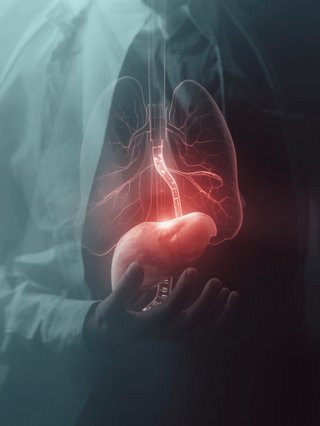
From a pathophysiological perspective, hepatic steatosis develops when the influx and endogenous synthesis of fatty acids exceed the liver's capacity for lipid oxidation and export. Insulin resistance within adipose tissue drives unrestrained lipolysis, flooding hepatocytes with free fatty acids that overwhelm mitochondrial beta-oxidation and generate lipotoxic intermediates such as ceramides and diacylglycerols. Furthermore, high intake of industrial fructose accelerates this process because hepatic fructose phosphorylation bypasses key enzymatic checkpoints, directly stimulating de novo lipogenesis, cellular energy depletion, and uric acid generation.
In clinical nutrition practice, gradual body weight management combined with a Mediterranean dietary pattern and strict limitation of added fructose serves as the cornerstone for supporting hepatic lipid clearance. Alongside dietary adjustments, targeted phytochemicals—including standardized silymarin from milk thistle, berberine, artichoke-derived cynarin, and essential phospholipids—are studied for their ability to support cell membrane stability and modulate hepatic metabolic pathways. Integrating concentrated herbal extracts should always complement a balanced diet and be guided by a qualified healthcare professional.
Metabolic dysfunction-associated steatotic liver disease (MASLD, formerly NAFLD) affects an estimated 25% to 30% of the global adult population. Characterized by intrahepatic triglyceride accumulation exceeding 5% of liver weight in the absence of significant alcohol intake, it is intrinsically coupled with peripheral insulin resistance, visceral adiposity, and systemic low-grade inflammation. This clinical review evaluates molecular disease pathways (lipotoxicity and oxidative stress), dietary interventions prioritizing fructose restriction and the Mediterranean paradigm, and evidence-based phytotherapeutics including silymarin, berberine, and artichoke extract.
MASLD Pathophysiology: Insulin Resistance, Lipotoxicity, and Progression to MASH
Hepatic steatogenesis arises from an imbalance between fatty acid influx/synthesis and disposal:
- Adipose Insulin Resistance: Unrestrained adipocyte lipolysis discharges high fluxes of non-esterified free fatty acids (FFAs) into the splanchnic circulation directly to hepatocytes.
- Lipotoxicity and Mitochondrial Dysfunction: When beta-oxidation capacity is overwhelmed, accumulation of toxic lipid intermediates (diacylglycerols, ceramides) triggers endoplasmic reticulum stress and inflammatory cascades.
- Transition to MASH: Cellular injury stimulates Kupffer macrophage activation and hepatic stellate cell collagen deposition, accelerating hepatic fibrosis and cirrhosis risk.
- Biomarker Surveillance: Serum ALT, AST, GGT elevations and non-invasive scores (FIB-4 Index, NAFLD Fibrosis Score) stratify patient risk profiles.
Dietary Management: Industrial Fructose Elimination, Weight Loss, and the Mediterranean Diet
Nutritional intervention is the primary curative modality capable of inducing steatosis regression:
- Targeted 7–10% Weight Loss: A 5% body mass reduction reduces intrahepatic lipid stores; achieving 7–10% weight loss reverses ballooning inflammation (MASH), while >10% can resolve early fibrosis.
- Fructose Toxicity Mechanism: Hepatic fructose phosphorylation bypasses phosphofructokinase regulation, driving unconstrained de novo lipogenesis (DNL), ATP depletion, and uric acid synthesis. Eliminating sugar-sweetened beverages and high-fructose corn syrup is essential.
- Mediterranean Framework: Abundant monounsaturated fats (EVOO), dietary antioxidants, and marine omega-3 fatty acids (EPA/DHA) suppress hepatic lipogenic gene expression (SREBP-1c).
Clinical Hepatoprotection: Silymarin, Berberine, Artichoke (Cynarin), and Essential Phospholipids
Targeted phytochemicals display clinically substantiated hepatoprotective properties:
- Silymarin (Silybum marianum): Standardized flavonolignan complex (predominantly silybin). Acts as a membrane stabilizer, stimulates nucleolar RNA polymerase I to accelerate protein synthesis and hepatocyte regeneration, while inhibiting stellate cell fibrogenesis. Clinical dosing ranges from 200 to 420 mg daily.
- Berberine: Activates hepatic AMPK, improves glycemic thresholds, and curtails intrahepatic fat fraction on MRI-PDFF measurements.
- Artichoke Extract (Cynarin): Stimulates choleresis and bile acid excretion, supporting physiological cholesterol clearance.
- Essential Phospholipids (PPC): Polyenylphosphatidylcholine molecules incorporate directly into damaged hepatocyte and mitochondrial membranes, restoring enzymatic permeability.
Want to apply these guidelines in your daily diet?
Our smart diet generator creates a tailored meal plan in 3 minutes based on the recommendations in this article.

Wojciech Wiśniewski
• 23.10.2026Diets Premium Expert
Diets Premium team expert. Specializes in nutrition plans, strength sports, and training plans.