Melaleuca essential oil – composition analysis, bioactive properties, and practical applications in prevention and therapy
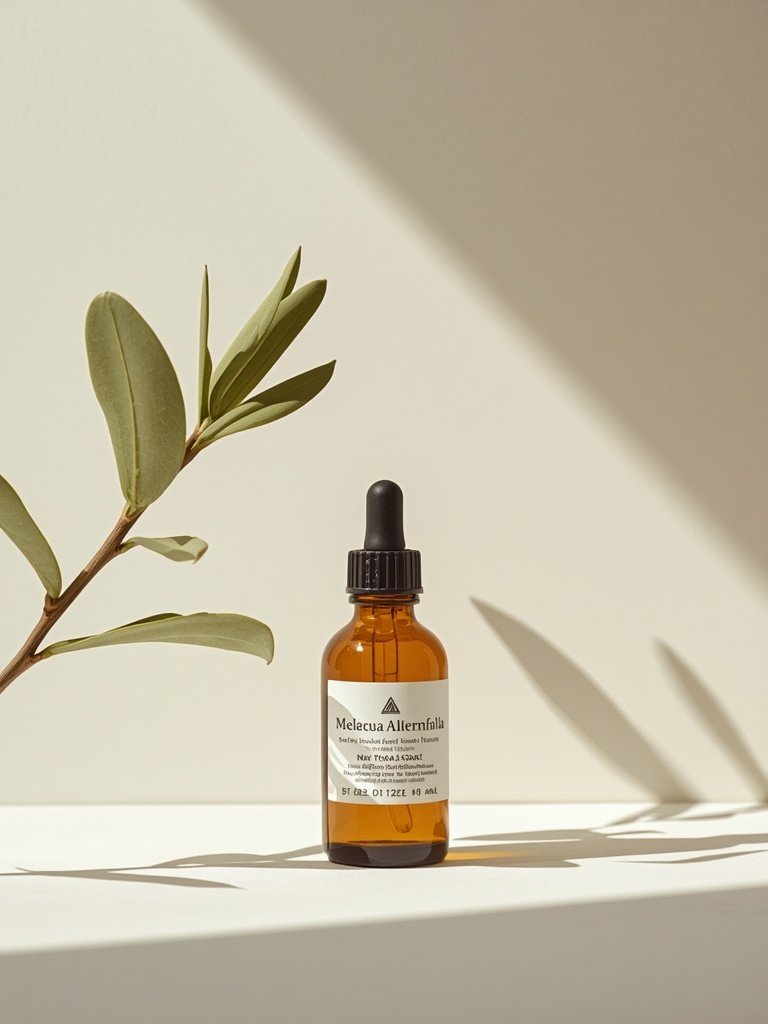
Table of Contents 5
Medical & Editorial Disclaimer (§3 Terms): This article is for informational and educational purposes only, does not constitute medical advice, diagnosis, or treatment, and is used at your own risk. Consult a qualified physician for medical conditions.
The primary therapeutic driver of this plant extract is terpinen-four-ol, working synergistically with complex terpene compounds. These bioactive molecules disrupt the structural integrity of microbial cell membranes, altering permeability and causing the leakage of vital intracellular components, which effectively stops pathogen proliferation. Beyond its direct cleansing action, the oil modulates localized inflammatory responses, offering valuable support for skin prone to blemishes, dandruff, and superficial fungal imbalances while displaying a lower potential for harsh skin reactions compared to synthetic alternatives.
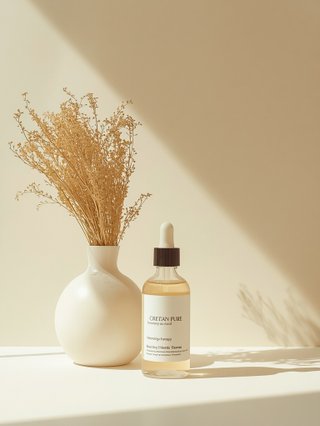
Safe and effective daily application requires strict adherence to proper usage protocols. Undiluted oil must be reserved exclusively for small, single-spot applications, whereas broader skin areas always necessitate thorough dilution in a gentle carrier oil. The product is strictly for external use, as internal ingestion carries severe health risks, requiring secure storage away from children. To prevent atmospheric oxidation and the formation of irritating byproducts, bottles should remain tightly sealed in dark amber glass, protected from excessive heat and direct sunlight.
The essential oil derived from the leaves of Melaleuca alternifolia (commonly known as tea tree) exhibits a remarkably broad antimicrobial spectrum, effectively neutralizing bacterial, fungal, and viral pathogens. Owing to its versatility and well-documented health benefits, it constitutes an indispensable component of any basic home first-aid kit. The following discussion outlines the key scientific findings regarding its distinctive physicochemical properties as well as its validated applications across diverse fields of natural medicine and personal care.
Tea tree oil – botanical source and distillation
Tea tree essential oil is obtained by steam distillation from the fresh leaves and terminal branchlets of Melaleuca alternifolia, a tree indigenous to the subtropical coastal swamps of New South Wales and Queensland, Australia. Renowned for centuries in Aboriginal traditional medicine, the oil is a clear, pale-yellow liquid characterized by an invigorating, camphoraceous, and warm spicy aroma. High-grade therapeutic oil is harvested between late spring and autumn to guarantee maximal concentrations of active terpenes.
Chemical composition: terpinen-4-ol and quality standards
Tea tree oil comprises more than 100 terpene constituents. According to international standards (ISO 4730), pure medicinal-grade tea tree oil must contain a minimum of 30% terpinen-4-ol (optimally 35–48%) and not more than 15% 1,8-cineole. Terpinen-4-ol represents the primary antimicrobial and anti-inflammatory agent. Other significant constituents include gamma-terpinene, alpha-terpinene, and p-cymene. Oxidized or improperly stored oils can develop degradation products such as ascaridole, which increase the potential for cutaneous sensitization.
Bioactive mechanisms: broad-spectrum antimicrobial actions
Tea tree oil exhibits formidable broad-spectrum bactericidal, antifungal, and antiviral activities. Terpinen-4-ol disrupts microbial cell membrane permeability, triggering the leakage of intracellular potassium ions and causing cellular lysis. It is highly active against Gram-positive and Gram-negative bacteria (including methicillin-resistant Staphylococcus aureus [MRSA] and Cutibacterium acnes), dermatophytes, and pathogenic yeasts such as Candida albicans. Simultaneously, it modulates monocyte cytokine production, inhibiting inflammatory prostaglandins and reactive oxidative species without promoting microbial resistance.
Practical applications in dermatology and hygiene
In evidence-based dermatology, tea tree oil formulations (5% gel or wash) demonstrate clinical efficacy comparable to benzoyl peroxide for mild-to-moderate acne vulgaris, while provoking significantly fewer adverse side effects such as scaling and burning. Furthermore, it is successfully used in treating onychomycosis, tinea pedis (athlete's foot), seborrheic dandruff, and localized gingivitis. In historical Australian lore and field medicine, diluted extracts were even employed as an emergency antiseptic wash for minor wounds and insect stings.
Toxicological profile, oxidation risks, and allergy precautions
Pure tea tree oil is toxic if ingested internally, causing ataxia, central nervous system depression, and confusion; it must be stored securely out of children's reach. Topically, undiluted application should be reserved exclusively for small, localized spots (such as a solitary acne lesion), whereas broader areas require dilution to 1–5% in a suitable carrier oil. Oxidation markedly increases allergenicity; hence, oil bottles must remain tightly capped in amber glass containers away from heat and light. A preliminary 24-hour patch test is strongly recommended to identify rare contact allergies prior to widespread use.
Want to apply these guidelines in your daily diet?
Our smart diet generator creates a tailored meal plan in 3 minutes based on the recommendations in this article.
Tags

Lena Bauer
• 25.11.2026Diets Premium Expert
Diets Premium team expert. Specializes in nutrition plans, strength sports, and training plans.