PRO
6 min read
Loss of Appetite on Hot Days – Tips and Advice


1 photo
413
Smart Voice
AI
0:00
0:00
Listen to the article content live
Table of Contents 6
PRO Content
PRO
This article is professional premium content (PRO) provided in its entirety.
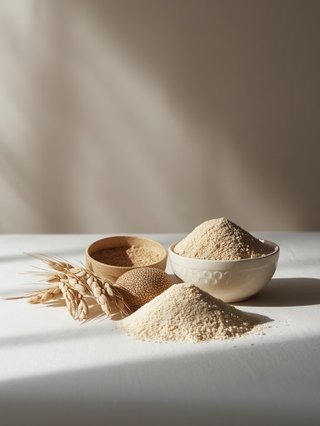
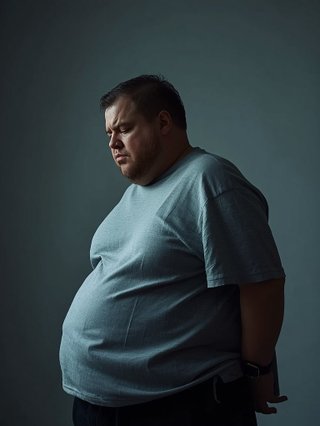
High ambient temperatures pose a significant challenge to the human body, which adapts to changing conditions in a complex and multifaceted manner. One of these facets is the loss of appetite during heat. Are there methods that can help us cope with this problem? Is it worth trying to force our bodies to eat?
01 / 06
Thermal regulation of energy intake: Physiological appetite mechanisms during heat exposure
While it is commonly believed that summer heat waves naturally suppress appetite, scientific evidence supporting this observation remains inconclusive, and the precise biological mechanisms have yet to be definitively identified. As early as 1947, researchers R. E. Johnson and R. M. Kark published findings in the journal *Science* demonstrating statistically significant variations in daily caloric intake among soldiers deployed in drastically different thermal environments—ranging from freezing to tropical conditions. Subsequent investigations led by I. Mandic, involving Canadian soldiers performing daily exercises at 30°C, 21°C, and −10°C, confirmed subjective reports of reduced hunger during heat exposure, correlated with markedly elevated leptin concentrations (an appetite-suppressing hormone) in male participants at 30°C compared to colder settings. Paradoxically, however, despite these hormonal shifts and self-reported decreases in appetite, total daily caloric consumption remained consistent across all three temperature groups. C. P. Herman proposes several theoretical frameworks to explain this phenomenon, including the *thermostatic hypothesis*, which posits that food ingestion generates additional metabolic heat (termed postprandial thermogenesis), thereby exacerbating the body’s thermoregulatory burden under heat stress. Given that approximately 10% of ingested energy is expended on digestive and nutrient absorption processes—which inherently produce heat—the body may instinctively limit food intake to mitigate this effect. An alternative hypothesis advanced by Herman suggests that during summer months, the body’s *weight set point* undergoes recalibration, leading to a physiological drive to maintain a lower body mass in response to thermal stress.
02 / 06
Strategies for increasing food intake during hot weather – practical guidance for maintaining body weight
Individuals aiming to gain or sustain body weight may encounter difficulties during summer months, as elevated temperatures frequently suppress appetite. Under such conditions, maintaining a neutral or positive energy balance becomes essential. A viable approach involves incorporating high-calorie liquid foods, including: a glass of orange juice (providing approximately 100 kcal), a strawberry smoothie (around 80 kcal per serving), a banana milkshake (up to 230 kcal per glass), or a chilled yogurt-based soup (320 g yielding roughly 200 kcal). Furthermore, conventional meals can be enhanced with calorie-dense ingredients—such as powdered milk (suitable for soups, sauces, or desserts), peanut butter (excellent for sweet shakes), plant-based oils (olive or rapeseed oil added to salads or soups may contribute up to 180 kcal per serving), as well as nuts, dried fruits, or thick spreads like hummus, which serve as concentrated energy sources.
03 / 06
Should one compel themselves to eat during hot weather? An evidence-based perspective
While summer often leads to a reduction in the consumption of substantial, hot meals, the dietary habits adopted during this season frequently incorporate alternative food choices that effectively offset any perceived caloric deficit. Vacation periods, in particular, see an increased intake of ice cream, sugary cold beverages such as cola or fruit juices, alongside the allure of street vendors offering waffles and other energy-dense snacks. Despite the subjective perception of reduced food intake, body weight often remains stable—a clear indication that energy balance is being maintained. Research conducted by I. Mandic and colleagues in 2019 demonstrated that the sensation of diminished appetite does not necessarily correlate with an actual decrease in caloric consumption. For reference, the approximate caloric content of common summer snacks includes: a single scoop of premium ice cream (131 kcal), a popsicle (250 kcal), a plain waffle (203 kcal), and a glass of cola-flavored beverage (101 kcal). Consequently, compelling oneself to eat during heatwaves is unwarranted unless observable weight loss occurs. Those seeking to prevent potential weight reduction may instead enhance main meals with nutrient- and calorie-dense additions. Regardless of season, meals should remain diverse and rich in essential nutrients, vitamins, and minerals. Skipping meals is discouraged, though portion sizes may be adjusted downward. In cases of reduced appetite, limiting intermeal snacks or consuming them at strategic intervals may prove beneficial.
04 / 06
Lack of appetite: merely a heat-related issue or a warning sign of underlying concerns?
A diminished desire to consume food during periods of elevated outdoor temperatures represents a physiological adaptation of the body to environmental heat. However, it is crucial to recognize that this phenomenon may also serve as an indicator of potential health complications. Persistent lack of hunger—especially when accompanied by nausea—may stem from thermal overload resulting from prolonged exposure to solar radiation without adequate protective measures. In exceptionally rare instances, appetite suppression may be linked to seasonal affective disorder (SAD), which, although predominantly manifesting in autumn or winter, can in some individuals exacerbate during the summer months. Beyond the loss of appetite, SAD is further characterized by sleep disturbances, heightened anxiety, and increased irritability.
05 / 06
Optimal Hydration – The Cornerstone of Health in All Conditions
For the inhabitants of Poland, guidelines regarding adequate fluid intake have been established to ensure sufficient hydration levels. These recommendations apply under conditions of moderate ambient temperatures and average physical exertion. According to the guidelines, adult men should consume approximately 2.5 liters of water per day, whereas the recommended daily intake for women is 2 liters. It is essential to note that these quantities encompass not only drinking water but also the fluids present in food and other beverages consumed throughout the day. During periods of elevated temperatures, when the risk of dehydration increases significantly, it becomes necessary to augment total fluid intake. In such circumstances, it is particularly beneficial to enrich the diet with water-rich foods, including juicy fruits such as watermelon, strawberries, and peaches, as well as vegetables like cucumbers, tomatoes, and celery stalks, which not only replenish water deficits but also provide valuable nutrients.
06 / 06
Holiday coffee consumption: separating hydration myths from evidence-based facts
A commonly held belief suggests that coffee consumption leads to systemic dehydration. While it is true that certain individuals may experience increased urine output after drinking coffee, a 2019 study conducted by S. C. Killer, A. K. Blannin, and A. E. Jeukendrup challenges the notion that coffee significantly reduces total body water content. The research involved fifty male participants accustomed to daily coffee intake. Following several days of observation, no statistically meaningful differences in hydration levels were detected between those consuming four 200 ml cups of coffee per day and those drinking only water. However, the physiological response to caffeine exhibits substantial interindividual variability. Individuals with heightened sensitivity or those unaccustomed to regular coffee consumption may experience transient increases in diuresis. In such instances, compensatory fluid intake is advisable, with a recommended 1:1 ratio (one glass of water per cup of coffee consumed). Within Poland’s temperate climate, extreme heatwaves occur infrequently and are typically short-lived. Even if summer conditions temporarily disrupt fluid balance, the long-term health implications are likely to remain negligible.
Meal Plan
Want to apply these guidelines in your daily diet?
Our smart diet generator creates a tailored meal plan in 3 minutes based on the recommendations in this article.

Scientifically reviewed by a clinical dietitian
• 25.09.2026
Herman C.P., Effect of Heat on Appetite, Nutritional Needs in Hot Environments: Applications for Military Personnel in Field Operations, pod red. Marriott B.M., Waszyngton 1993. Killer S.C., Blannin A.K., Jeukendrup A.E., No evidence of dehydration with moderate daily coffee intake: a counterbalanced cross-over study in a free-living population, „PLoS One” 2014, 9(1), epub. Johnson R.E., Kark R.M., Environment and Food Intake in Man, „Science” 1947, 105(2728), 378–379. Mandic I. et al., The effects of exercise and ambient temperature on dietary intake, appetite sensation, and appetite regulating hormone concentrations, „Nutrition and Metabolism” 2019, 16, 29. Normy żywienia dla populacji Polski i ich zastosowanie, pod red. Jarosza M. et al., Warszawa 2020.
Diets Premium Expert
Diets Premium team expert. Specializes in nutrition plans, strength sports, and training plans.
USDA FoodData Central
EFSA
PubMed Clinical Guidelines