Kumys – traditional production method, nutritional profile, and unique properties of fermented mare's milk drink
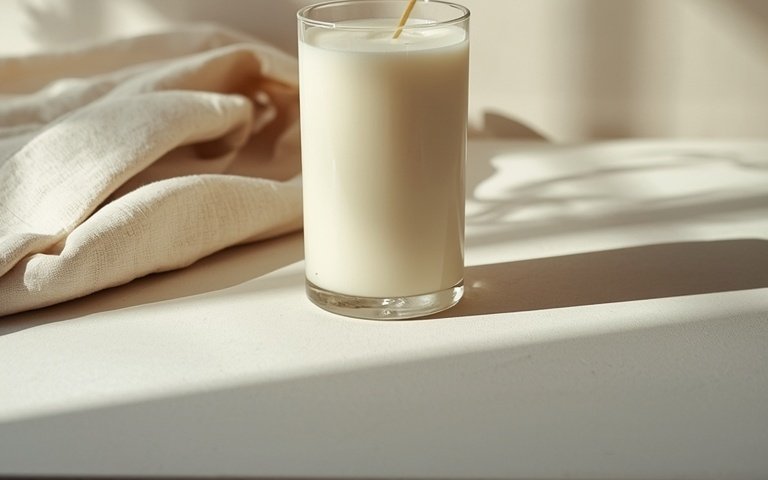
Table of Contents 5
Medical & Editorial Disclaimer (§3 Terms): This article is for informational and educational purposes only, does not constitute medical advice, diagnosis, or treatment, and is used at your own risk. Consult a qualified physician for medical conditions.
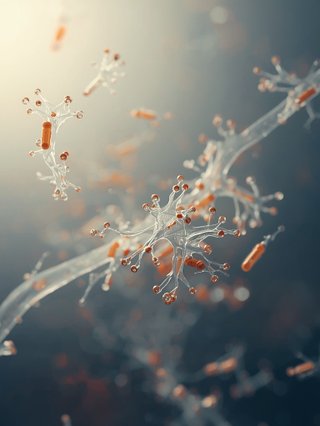
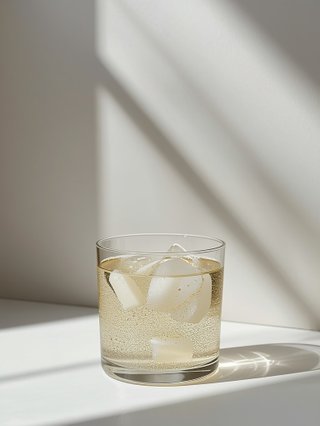
The biochemical profile of fermented mare's milk is characterized by a unique combination of proteins, valuable mineral salts, active enzymes, and a rich array of vitamins, particularly B-complex vitamins and natural organic acids. The delicate balance between acidity and effervescence gives the beverage its signature sparkling texture and refreshing taste profile. Historically, regional practitioners and classical sanatorium therapies utilized koumiss as a traditional restorative tonic to support individuals during periods of seasonal weakness, physical fatigue, or general convalescence.
Integrating the knowledge of traditional fermented foods into modern dietary awareness encourages a broader appreciation for heritage nutrition and culinary anthropology. Readers can draw inspiration from these time-honored practices to embrace diverse, naturally fermented options as part of a balanced and thoughtful lifestyle. Approaching traditional beverages with an appreciation for their historical context helps foster a well-rounded and culturally enriched perspective on daily nutrition.
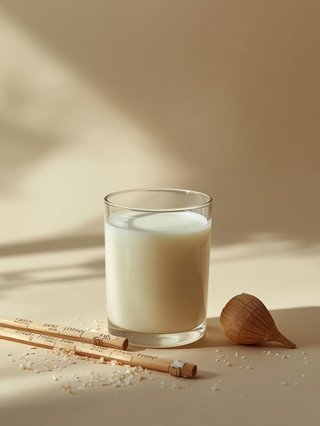
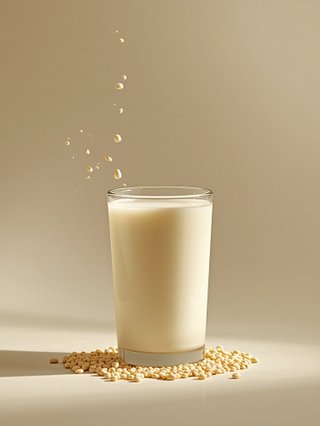
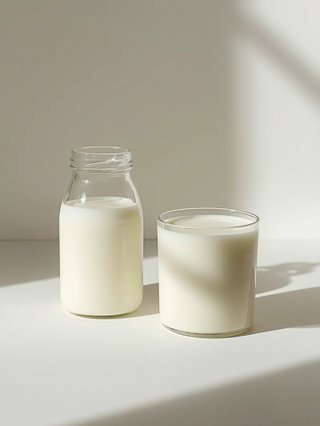
Koumiss (kumis / airag) represents one of the most venerable and biologically sophisticated fermented dairy beverages in human civilizational history, crafted for millennia by nomadic pastoralists across the Central Asian steppes. Distinct from bovine dairy products, authentic koumiss is cultured exclusively from mare's milk, undergoing simultaneous symbiotic lactic acid and alcoholic fermentation. During the 19th and early 20th centuries, sanatorium-based koumiss therapy ('koumisotherapy') functioned as an established clinical modality for pulmonary tuberculosis, cachexia, and severe gastrointestinal wasting, famously sought by Leo Tolstoy and Anton Chekhov. An authoritative examination of mare's milk biochemistry, fermentative microflora, probiotic resilience, and heritage methods.
Cucumbers
How about production?
A list of the organoleptic types and properties
It has a nutritional value
It's a matter of properties
Want to apply these guidelines in your daily diet?
Our smart diet generator creates a tailored meal plan in 3 minutes based on the recommendations in this article.
Tags

mgr Tomasz Jankowski
• 23.10.2026Diets Premium Expert
Diets Premium team expert. Specializes in nutrition plans, strength sports, and training plans.