Regeneration process and comprehensive support for joint health at different life stages and activity levels


Table of Contents 3
Medical & Editorial Disclaimer (§3 Terms): This article is for informational and educational purposes only, does not constitute medical advice, diagnosis, or treatment, and is used at your own risk. Consult a qualified physician for medical conditions.
Physiological insights highlight the delicate balance between loading mechanisms and tissue regeneration. Prolonged physical inactivity limits the distribution of synovial fluid, whereas excessive exercise spikes, poor footwear, or improper execution of movements can induce repetitive microtrauma, accelerating cartilage softening. On a molecular level, dietary strategies play a vital role in curbing persistent tissue inflammation. Incorporating healthy marine fatty acids aids in suppressing pro-inflammatory pathways, while avoiding highly refined sugars and industrial fats reduces systemic oxidative strain, thereby protecting the structural components of the joint matrix.
Implementing sustainable daily habits is key to protecting joints across various life stages. Engaging in controlled, biomechanically sound physical activity encourages effective nutrient transport to the articular surfaces without imposing harmful shearing forces. Concurrently, prioritizing a nutrient-dense dietary pattern enriched with collagen precursors, essential micronutrients, and anti-inflammatory compounds supports extracellular matrix synthesis. This integrated approach fosters natural musculoskeletal recovery, contributing to long-term joint comfort, flexibility, and overall physical well-being.
The human articular system is a sophisticated biomechanical apparatus whose structural integrity governs functional mobility and overall quality of life. Articular cartilage, ligaments, joint capsules, and synovial fluid constantly absorb compressive and shearing forces generated by daily ambulation and athletic loading. Joint pain is by no means an exclusive ailment of the elderly; it increasingly burdens sedentary desk workers, adolescents, and competitive athletes alike. Resolving musculoskeletal discomfort necessitates a multifaceted therapeutic paradigm that integrates biomechanical load management with targeted anti-inflammatory nutrition, chondroprotection, and cartilage remodeling support.
Etiology and Common Causes of Joint Pain
Articular pain (arthralgia) stems from a multifaceted etiology categorized into mechanical, inflammatory, metabolic, and degenerative mechanisms. Mechanical triggers include overload of capsuloligamentous structures driven by postural misalignment, kinetic chain imbalances, improper athletic technique, or prolonged sedentary behavior. Hyaline articular cartilage is both avascular and aneural; it depends entirely on synovial fluid diffusion for nutrient delivery and metabolic waste removal, a process driven exclusively by cyclical compressive loading during movement.
Conversely, inflammatory and metabolic pathways encompass autoimmune arthropathies (such as rheumatoid arthritis, RA), crystal deposition disorders (gout caused by monosodium urate precipitation), and systemic low-grade inflammation fueled by adiposity and Western dietary patterns. Pro-inflammatory cytokines (notably TNF-alpha, IL-1beta, and IL-6) stimulate matrix metalloproteinases (MMPs), which enzymatically cleave cartilage proteoglycans and type II collagen fibril networks, accelerating osteoarthritis pathogenesis.
Physical Activity, Biomechanics, and Joint Loading: Chondromalacia Prevention
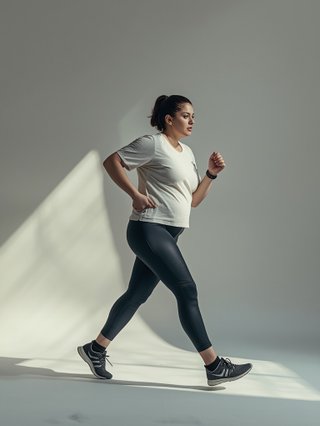
Structured, biomechanically sound movement remains an absolute prerequisite for preserving long-term articular cartilage health. Conversely, sudden spikes in training volume, ballistic plyometric overuse, deficient warm-ups, and running on concrete with unsupportive footwear provoke repetitive microtrauma and chondromalacia (softening and fissuring of cartilage, most commonly patellofemoral chondromalacia). Early clinical signs include articular crepitus, anterior knee ache during stair descent, and stiffness following prolonged flexion.
Safeguarding joints requires targeted strengthening of surrounding dynamic stabilizers (such as the quadriceps, gluteal complex, and hip rotators) alongside myofascial flexibility preservation. When joint pain emerges, complete immobilization is counterproductive; athletes should transition to non-impact cross-training modalities—such as swimming, elliptical training, stationary cycling, or isometric loading—which stimulate synovial lubrication and chondrocyte metabolism without subjecting articular surfaces to excessive impact stresses.
Nutritional Chondroprotection: Anti-Inflammatory Diet, Collagen, and Micronutrients
Targeted nutritional therapy plays a decisive role in resolving synovial inflammation and supplying molecular substrates for extracellular matrix regeneration. The foundation rests on an anti-inflammatory dietary framework enriched with marine omega-3 polyunsaturated fatty acids (EPA and DHA), which displace arachidonic acid to downregulate pro-inflammatory eicosanoids (prostaglandin E2 and leukotriene B4). Concurrently, dieters must eliminate industrial trans fats, excess refined sugars, and ultra-processed foods that accelerate advanced glycation end-products (AGEs) cross-linking and stiffening cartilage collagen.
Evidence-based chondroprotective compounds include bioactive collagen peptides (rich in glycine, proline, and hydroxyproline, which stimulate chondrocyte extracellular matrix synthesis), glucosamine sulfate, chondroitin sulfate, and high-molecular-weight hyaluronic acid for synovial viscoelasticity. Ascorbic acid (vitamin C) serves as an obligatory cofactor for prolyl hydroxylase, alongside zinc, copper, and manganese. For targeted analgesic and anti-inflammatory relief, standardized botanical extracts—notably curcuminoids from turmeric, boswellic acids from Boswellia serrata (inhibiting 5-lipoxygenase), and gingerols—offer clinically validated symptom reduction.
Want to apply these guidelines in your daily diet?
Our smart diet generator creates a tailored meal plan in 3 minutes based on the recommendations in this article.
Tags

mgr Literatura: Kunachowicz H. i inni, Zasady żywienia planowanie i ocena, wyd. WSiP, Warszawa 2012 Studzińska – Sroka E., Bylka W., Glukozamina – pomoc w leczeniu osteoartrozy, Postępy Fizjoterapii 4/2011, s. 248-253 Wisiołowska M. i inni, Anatomia Układu ruchu, wyd. PZWL, 2013 źródło zdjęcia: źródło: http://img.zszywka.pl/1/0382/w_4033/pozostale/zrodla-witaminy-c.jpg
Diets Premium Expert
Diets Premium team expert. Specializes in nutrition plans, strength sports, and training plans.