Key Takeaways
Italian culinary culture stands globally as a premier benchmark of gastronomic integrity and deep-rooted passion for wholesome food. For the reader, exploring this culinary tradition highlights the profound value of an eating philosophy centered around the uncompromising quality of raw ingredients. Rather than relying on ornate complexity or artificial enhancements, true culinary mastery emerges from honoring the natural flavors of seasonal produce.
The underlying physiological and cultural mechanisms explored across traditional chapters emphasize the wisdom of ancestral heritage and the agrarian philosophy of simplicity. By focusing on a vibrant array of fresh vegetables, aromatic herbs, and premium plant oils, this dietary approach nourishes the body while fostering a harmonious relationship with food. Dining is approached not merely as a mechanical necessity, but as an intentional ritual that supports holistic well-being and genuine social connection.
Practical application in daily life involves prioritizing fresh, minimally processed ingredients and embracing mindful cooking techniques inspired by regional traditions. Readers are encouraged to slow down during meal preparation, selecting vibrant produce and quality pantry staples to recreate authentic flavors at home. Integrating these mindful culinary habits into your daily routine contributes to a balanced, deeply satisfying, and health-conscious lifestyle.
Italian culinary culture (cucina italiana) stands globally as an unrivaled benchmark of gastronomic passion and integrity. Its enduring brilliance resides not in ornate complexity, but in uncompromising devotion to superlative raw ingredients (materia prima) and the agrarian philosophy of la cucina povera, where world-class masterpieces emerge from merely three or four seasonal items. Spanning rich Piedmontese risottos and white truffles, aged Parmigiano Reggiano and Prosciutto di Parma across Emilia-Romagna, to volcanic San Marzano tomatoes, authentic Neapolitan pizza, and Sicilian citrus. Explore traditional dining rituals and authentic recipes.
02 / 03
Italian cuisine is a tradition
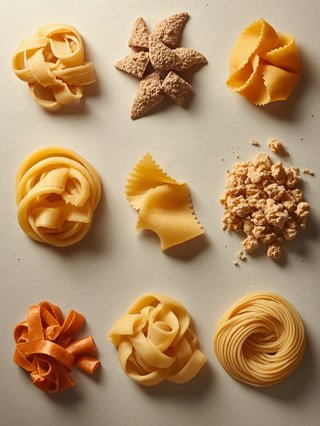
Italians are a nationality that is very attached to tradition, not only culinary but also family traditions. In the kitchen, they draw knowledge from ancestral traditions, basing themselves on the first recipes created in a given region. Family traditions can also be seen in cuisine. Secret recipes are passed down from generation to generation that consistently delight with their taste and uniqueness. And perhaps that is the key to the success of Italian cuisine – customs that are nurtured from generation to generation. At the base of the Mediterranean diet pyramid are shared meals with family and friends. Whenever possible, meals are celebrated with family, becoming a true feast every day and an opportunity for conversation. Italians also observe meal times. They usually do not eat heavy breakfasts; often, the basis is an aromatic and strong espresso, and a sweet croissant or cookie is eaten as a supplement. During the day, there is a break for what is called lunch, which usually takes place around 1:00 PM. Then, one customarily eats pastes, various pasta... Usually, during the day, one drinks stimulating, black espresso... Dinner is the most important meal; then the whole family gathers at one table and eats the prepared meals together... This usually happens around 8:00 PM. Dinner is a hearty meal, and typical dishes with fish, potatoes, and vegetables are served... Often, several dishes are served during dinner, appetizers, wine – so it is a real feast. A characteristic feature that distinguishes Italians is their use of bread with almost every dish, which they use to "clean" the plate at the end of the meal, gathering everything left on it. As we mentioned earlier, Italian cuisine is based on excellent olive oil, which is added to many dishes. Olives in various forms are also gladly consumed both as a side dish and as an appetizer. The most popular soup is the equivalent of our broth, a soup made from vegetables – minestrone. Furthermore, Italians boast a wide assortment of various types of pasta served with sauces. Besides pasta, the equivalents of our pierogi and dumplings are commonly eaten – ravioli, tortellini, gnocchi, also served with sauces, and also with filling inside. The dish with the greatest popularity worldwide is pizza, which contains a wealth of various toppings. Sunny Italy is famous not only for pizza or pasta, but also for cheeses (Parmesan, mozzarella, ricotta, mascarpone), Parma ham, and excellent vegetables (tomatoes, celery, artichokes – the base of many dishes). One cannot forget the excellent coffee – espresso, cappuccino, cafe latte, and desserts known worldwide – tiramisu, panna cotta, or excellent Italian ice cream. Good quality wine, which is abundant in Italy, is customarily served with the dishes. A full Italian meal can consist of 3, or even 6 courses. The appetizer is antipasto, served before the main courses. The first course is called primi piatti, which includes pasta, risotto, soup, or other flour-based dishes. The main course is secondo piatto (piatto di mezzo), which usually contains seafood, poultry, game, omelets, vegetable dishes, and cooked cheeses. Next, sides such as cheeses, fruits, as well as desserts and drinks (including alcoholic ones) are served. Naples is the symbol of pizza; there you can eat a real, traditional pizza, like those from many years ago. Southern Italy is famous for its various pastas and olive oil, while in the north of the country, rice (risotto) and polenta (a traditional dish made from chestnut flour) are eaten. Florence is famous for its meat dishes, while Sicily is famous for its delicious desserts. Bologna is the queen of the popular Bolognese sauce.
Want to apply these guidelines in your daily diet?
Our smart diet generator creates a tailored meal plan in 3 minutes based on the recommendations in this article.