What is a home pantry really – what should be stored in it and how to use it?
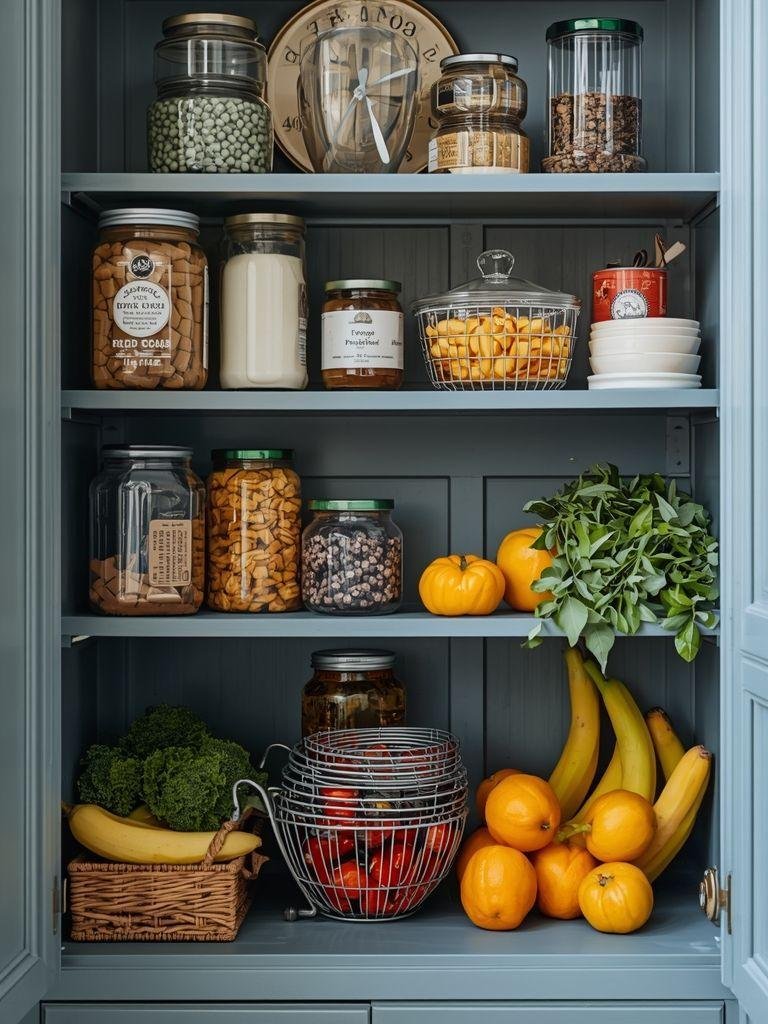
Table of Contents 13
Medical & Editorial Disclaimer (§3 Terms): This article is for informational and educational purposes only, does not constitute medical advice, diagnosis, or treatment, and is used at your own risk. Consult a qualified physician for medical conditions.
Freezing foods at low temperatures effectively preserves their structural quality while minimizing the loss of sensitive vitamins and minerals. Frozen vegetable blends, berries, legumes, and properly packaged portions of fish or lean meats offer long-term storage options without compromising nutritional value. For dry pantry goods, utilizing cool, dark, and dry storage environments with airtight glass containers prevents moisture accumulation and pest infestations. Items rich in healthy fats, such as plant oils, nuts, seeds, and almonds, require careful protection from heat and light to prevent lipid oxidation and maintain their fresh flavor.
To make the most of household supplies, it is helpful to label frozen packages with storage dates, ensuring optimal quality and safety over time. Accumulated pantry staples provide endless culinary versatility: whole grains, oat flakes, nut butters, and plant beverages create wholesome breakfast options, while canned legumes, tomato sauces, rice, and frozen vegetables can be effortlessly transformed into hearty soups, stir-fries, and pasta dishes. Combining a well-stocked pantry with fresh produce empowers individuals to maintain a stress-free, nutrient-dense lifestyle.
This article is professional premium content (PRO) provided in its entirety.
Domestic stocks in the freezer
What may be found in your home freezing compartment:
The contents of the freezer may also include:
My household supplies in the pantry
Storing these products in a home safe is beneficial:
You can also store the following products in your home pantry:
Utilization of accumulated supplies - recipes
Oatmeal dish with morels and chocolate (1 serving)
Bowl of buckwheat with coconut and raspberries (1 serving)
Spaghetti with spinach, canned sausages, and coconut milk (4 servings)
Vegetarian Mexican meal with rice (4 servings)
Broccoli Purée Soup (1 serving)
Crêpe with sweet fruit sauce and nut butter (1 serving)
Want to apply these guidelines in your daily diet?
Our smart diet generator creates a tailored meal plan in 3 minutes based on the recommendations in this article.

mgr Czerwińska D., Wykorzystanie mrożonek owocowych w gastronomii, „Przegląd Gastronomiczny” 2016, 4(16), 12. Czerwińska D., Zamrożona świeżość. Warzywa mrożone – zalety i sposoby wykorzystania, „Przegląd Gastronomiczny” 2014, 68(5), 10–12. Korzeniowska-Ginter R., Czarniecka-Skubina E., Przechowywanie żywności w warunkach domowych, „Zeszyty Naukowe Akademii Morskiej w Gdyni” 2016, 93, 72–80. Kowalska A. et al., Aflatoksyny – charakterystyka i wpływ na zdrowie człowieka, „Postępy Higieny i Medycyny Doświadczalnej” 2017, 71, 315–327. Marnując żywność, marnujesz planetę. Raport Federacji Polskich Banków żywności – Nie marnuję jedzenia 2018, bankizywnosci.pl/wp-content/uploads/2018/10/Przewodnik-do-Raportu_FPBZ_-Nie-marnuj-jedzenia-2018.pdf (9.11.2020). Marszałek A., Czy możliwe jest przezwyciężenie problemu marnotrawstwa żywności?, „Nierówności Społeczne a Wzrost Gospodarczy” 2018, 54(2), 474–484. Program Operacyjny Pomoc Żywnościowa 2014–2020, gops.chmielnik.pl/PDF/2015/02/Scenariusz_2.pdf (9.11.2020).
• 22.03.2026Diets Premium Expert
Diets Premium team expert. Specializes in nutrition plans, strength sports, and training plans.