Is It Really Joint Instability and How to Manage It?

Smart Voice
AITable of Contents 3
Long-term sequelae of ligamentous destabilization in the lower extremities and their impact on whole-body biomechanics
Biomechanical consequences of ligamentous injuries in the lower limbs: an examination of stability impairments and load distribution patterns
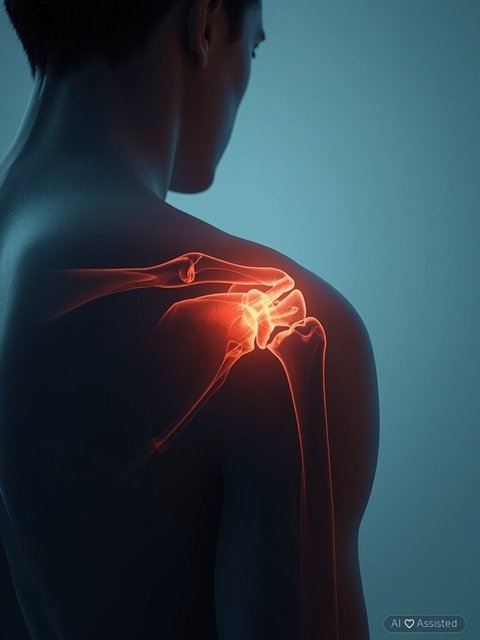
The ligamentous structures situated within the joints of the lower extremities serve a critical function in preserving the optimal biomechanics of the human body, facilitating both dynamic and static stabilization throughout movement execution. Compromised integrity of these structures—whether through complete rupture, partial tearing, or chronic overstretching—can result in significant impairments in the mechanisms governing the body’s center of mass control. Individuals with such injuries frequently exhibit asymmetrical load-bearing patterns during physical activity, characterized by a preferential shift of greater force distribution toward the uninjured limb. This phenomenon may arise from adaptive protective strategies employed by the body, as well as from diminished proprioceptive feedback and reduced force-generation capacity in the affected limb.
Therapeutic approaches to joint instability: From kinesiology taping to specialized rehabilitation
Want to apply these guidelines in your daily diet?
Our smart diet generator creates a tailored meal plan in 3 minutes based on the recommendations in this article.

mgr Felix Weber
Diets Premium Expert
Diets Premium team expert. Specializes in nutrition plans, strength sports, and training plans.