Anterior cruciate ligament injury
Table of Contents 3
Medical & Editorial Disclaimer (§3 Terms): This article is for informational and educational purposes only, does not constitute medical advice, diagnosis, or treatment, and is used at your own risk. Consult a qualified physician for medical conditions.
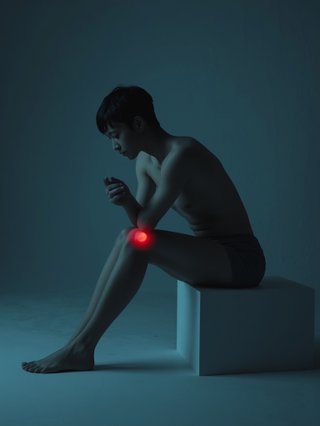
The article explores various therapeutic interventions, including surgical reconstruction of the anterior cruciate ligament using arthroscopic techniques, which involves implanting a graft between the tibia and femur. Different graft material options, such as autografts from the patient's own body or allografts from donors, are discussed. Additionally, supportive therapeutic interventions like dynamic taping applications are examined, demonstrating their potential to enhance joint proprioception and muscle function. Non-surgical management of acute injuries, beginning with the P.R.I.C.E. protocol, is also thoroughly detailed.
For daily health and recovery, it is essential to be aware of both conservative and surgical treatment options. In the immediate aftermath of an acute injury, the P.R.I.C.E. protocol should be implemented, followed by physiotherapeutic interventions, including cryotherapy, to reduce swelling and alleviate pain. Progressive strength-training exercises are indispensable for restoring full knee joint functionality and improving overall stability in the long term.
Surgical reconstruction of the anterior cruciate ligament (ACL) – standard procedure and graft material selection
Supportive therapeutic interventions via dynamic taping applications: A clinical and biomechanical efficacy assessment
Non-surgical management of acute anterior cruciate ligament (ACL) injuries
Want to apply these guidelines in your daily diet?
Our smart diet generator creates a tailored meal plan in 3 minutes based on the recommendations in this article.

Alicja Kowalska
• 25.09.2026Diets Premium Expert
Diets Premium team expert. Specializes in nutrition plans, strength sports, and training plans.