Hydration Minerals Public Health 3 min read

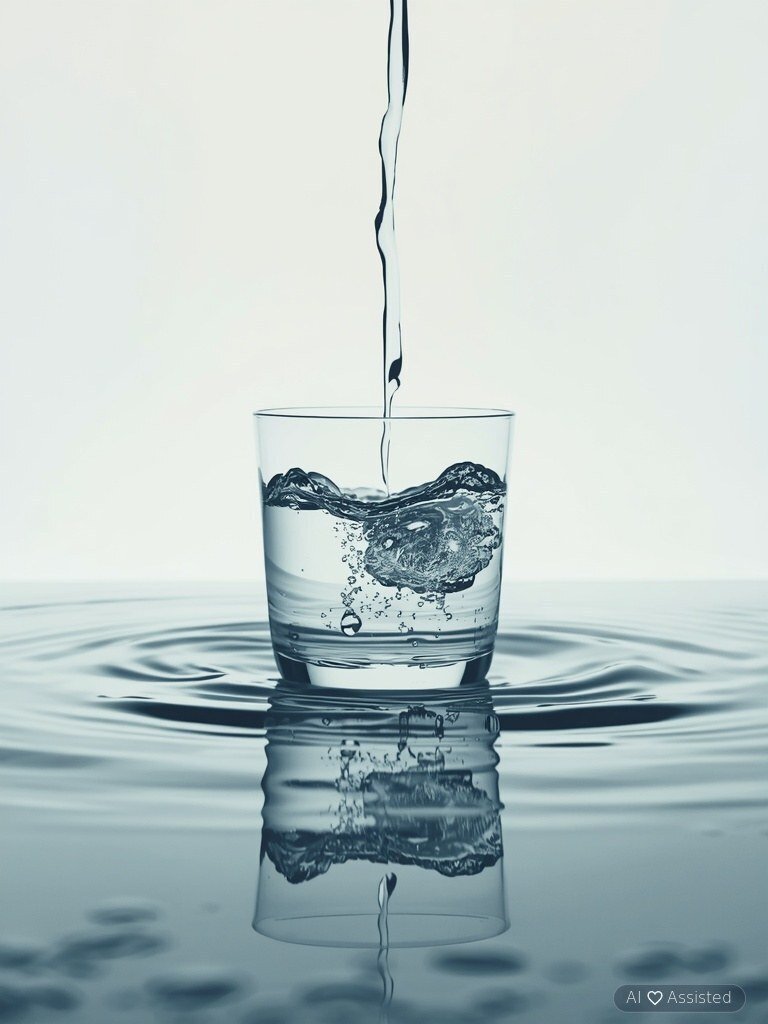
Is hard water actually healthy for us - the answer to this question.
Is hard water actually healthy for us - the answer to this question.
1 photo
715

Smart Voice

AI
0:00
0:00
Listen to the article content live
Table of Contents 3
New products are increasingly appearing on the market, in the form of fresh water, mineral water, and health drinks, which manufacturers advertise as the healthiest. On store shelves, we find water with low, medium, and high mineral content, which are further enriched with substances such as magnesium or iodine. But which ones should we buy, and what should we be guided by to choose the best water for our body? Is it enough to simply drink tap water?
01 / 03

What defines hard water and what are its distinct classifications?

The hardness of water arises from the presence of dissolved calcium and magnesium ions in various chemical forms. Depending on the predominant components, it is categorized into calcium hardness, magnesium hardness, carbonate hardness (linked to carbonates and bicarbonates), or non-carbonate hardness (attributable to sulfates, chlorides, and nitrates). In the absence of carbonates and bicarbonates, hardness is assessed based on total alkalinity. Additionally, a distinction is made between temporary hardness (removable through boiling) and permanent hardness (persisting even after heating). As a general rule, the higher the concentration of mineral ions, the harder the water. The classification scale is as follows: < 100 mg CaCO₃/L (very soft water), 100–200 mg CaCO₃/L (soft water), 200–350 mg CaCO₃/L (moderately hard water), 350–550 mg CaCO₃/L (hard water), and > 550 mg CaCO₃/L (very hard water).
02 / 03

Does water genuinely provide health benefits? An examination of mineral composition and its physiological impact

In an interview granted by Mr. Wojtaszek, a mineral water specialist affiliated with the Polish Magnesological Society, a striking assertion was made: water in its purest form—devoid of any mineral constituents—not only fails to hydrate the body effectively but may actually contribute to dehydration. The critical factor here lies in the presence of electrolytes—compounds such as magnesium, calcium, and sodium—which facilitate the proper absorption and retention of water within tissues. Without these minerals, water instead dilutes the concentration of essential ions in cells, disrupting osmotic balance and impairing physiological hydration. Furthermore, natural mineral waters, whether in their unaltered state or fortified with key trace elements, serve as a vital source of micro- and macronutrients, the demand for which escalates during periods of heightened physical exertion, stress, or monotonous dietary patterns. It is noteworthy that sodium, often vilified in health discourse, is present in mineral water at levels far lower than those found in processed foods (e.g., deli meats or bread); in reality, it plays an indispensable role in maintaining cellular osmotic equilibrium. Additionally, the relative proportions of calcium and magnesium in mineral waters hold both biological significance (with calcium typically predominating quantitatively) and practical implications: they determine water hardness, which in turn affects the risk of corrosion in plumbing systems (in the case of soft water) or the formation of limescale deposits (in the case of hard water).
03 / 03

What characteristics should the water we drink daily possess to support our health?

According to European Union guidelines, optimal drinking water should provide at least 7.5% of the daily requirement for essential trace elements, which qualifies it as beneficial for bodily function. Experts emphasize that the most valuable waters are those with high mineral content—at least 1000 mg of dissolved salts per liter—classifying them as hard water. Research conducted in Japan during the 1960s revealed a significant correlation between the consumption of soft water and an increased incidence of cardiovascular diseases, further validating the advantages of mineral-rich water. While there are circumstances where excessive intake of certain components may be inadvisable, for the majority of the population, regular consumption of hard water serves as an effective means of hydration and mineral replenishment. However, the key lies in making informed choices based on label analysis and maintaining moderation in consumption.
Meal Plan

Want to apply these guidelines in your daily diet?

Our smart diet generator creates a tailored meal plan in 3 minutes based on the recommendations in this article.

Mia Hoffmann
Scientifically reviewed by a clinical dietitian • 24.09.2026

Mia Hoffmann

Diets Premium Expert

Diets Premium team expert. Specializes in nutrition plans, strength sports, and training plans.

USDA FoodData Central EFSA PubMed Clinical Guidelines
Loading
Recommended articles in this category

Related Articles

Discover similar publications and expert insights.

Source, Mineral, Alkaline or Tap Water - What Type of Water to Choose for Drinking
Hydration
Source, Mineral, Alkaline or Tap Water - What Type of Water to Choose for Drinking
⏱ 9 min czytania 📚 Hydration
#Hydration #Mineral
Mineral water, high- and low-mineralized, composition... How to choose the best mineral water?
Mineral Water
Mineral water, high- and low-mineralized, composition... How to choose the best mineral water?
⏱ 3 min czytania
#Mineral Water #Healthy
It's a Remarkable Herb Called Mint
Carbohydrates
It's a Remarkable Herb Called Mint
⏱ 2 min czytania
#Carbohydrates #Magnesium
Magnesium - An Invaluable Mineral Component
Magnesium
Magnesium - An Invaluable Mineral Component
⏱ 4 min czytania
#Magnesium #Electrolyte
Fluoride – Properties and Harmful Effects
Magnesium
Fluoride – Properties and Harmful Effects
⏱ 3 min czytania
#Magnesium #Mineral
Essential Pear
Fluid Balance
Essential Pear
⏱ 2 min czytania
#Fluid Balance #Balance
Virgin and copra-pressed coconut oil: Metabolic properties, culinary applications, and thermal smoke points
Antioxidant
Virgin and copra-pressed coconut oil: Metabolic properties, culinary applications, and thermal smoke points
⏱ 3 min czytania
#Antioxidant #Fatty Acids
The Role of Magnesium in Athletic Performance: Mechanisms, Deficiency Signs, and Supplementation Strategies
Sports Nutrition
The Role of Magnesium in Athletic Performance: Mechanisms, Deficiency Signs, and Supplementation Strategies
⏱ 4 min czytania 📚 Sports Nutrition
#Athletic Performance #Physical Activity
Dietary Magnesium: Key Food Sources, Thermal Processing Losses, and Bioavailability Factors
Nutritional Science
Dietary Magnesium: Key Food Sources, Thermal Processing Losses, and Bioavailability Factors
⏱ 4 min czytania 📚 Nutritional Science
#Food Processing #Magnesium
Rice Noodles – Varieties, Nutritional Profile, Glycemic Index, and Culinary Recipes
Food Science
Rice Noodles – Varieties, Nutritional Profile, Glycemic Index, and Culinary Recipes
⏱ 2 min czytania 📚 Food Science
#Rice Noodles #Magnesium
Copper: Biological Functions, Dietary Reference Intakes, and Natural Food Sources
Nutritional Science
Copper: Biological Functions, Dietary Reference Intakes, and Natural Food Sources
⏱ 3 min czytania 📚 Nutritional Science
#Essential Nutrients #Performance
The physiological role of copper in humans: implications of deficiency and excess – biochemical characteristics and functional properties of this trace mineral
Nutritional Science
The physiological role of copper in humans: implications of deficiency and excess – biochemical characteristics and functional properties of this trace mineral
⏱ 4 min czytania 📚 Nutritional Science
#Maintenance #Functional
Essential mineral constituents: trace elements and macrominerals in human nutrition
Minerals
Essential mineral constituents: trace elements and macrominerals in human nutrition
⏱ 7 min czytania 📚 Minerals
#Metabolic Processes #Polysaccharides
„Spirulina for Wellness!
Wellness
„Spirulina for Wellness!
⏱ 2 min czytania
#Wellness #Antioxidant
Mascarpone Cheese: Velvety Italian Delicacy, Culinary Heritage, Nutritional Profile, and Gastronomic Uses
Cream Cheese
Mascarpone Cheese: Velvety Italian Delicacy, Culinary Heritage, Nutritional Profile, and Gastronomic Uses
⏱ 2 min czytania
#Cream Cheese #Sweet Flavor
The Role of Herbs and Spices in Pediatric Nutrition: Beneficial, Safe, and Prohibited Flavorings
Children's Nutrition
The Role of Herbs and Spices in Pediatric Nutrition: Beneficial, Safe, and Prohibited Flavorings
⏱ 4 min czytania
#Children's Nutrition #Flavor Enhancers
Mineral salts: Roles of mineral salts
Nutritional Value Of Food
Mineral salts: Roles of mineral salts
⏱ 5 min czytania
#Nutritional Value Of Food #Healthy Eating On The Go
Hypermagnesemia: Identifying magnesium excess and its associated health hazards
Nutritionist Consultation
Hypermagnesemia: Identifying magnesium excess and its associated health hazards
⏱ 2 min czytania
#Nutritionist Consultation #Magnesium Supplementation
Use of magnesium chloride as a beverage, for baths, and for application on joints
Sea Salt
Use of magnesium chloride as a beverage, for baths, and for application on joints
⏱ 4 min czytania
#Sea Salt #Magnesium
Indispensable mineral ingredients for healthy skin and strong nails
Healthy
Indispensable mineral ingredients for healthy skin and strong nails
⏱ 5 min czytania
#Healthy #Mineral
Dietary Supplements: Necessary Fundamentals, Redundant Fillers, and the 'Food First' Principle
Dietary Supplements
Dietary Supplements: Necessary Fundamentals, Redundant Fillers, and the 'Food First' Principle
⏱ 5 min czytania
#Dietary Supplements #Flavor Enhancers
The significance of calcium in the body, nutritional sources, and indications of deficiency
Minerals
The significance of calcium in the body, nutritional sources, and indications of deficiency
⏱ 7 min czytania 📚 Minerals
#Healthy Diet
Sweet cherry varieties and nutritional properties: Caloric density, glycemic index, and clinical dietary applications
Nutritional Properties
Sweet cherry varieties and nutritional properties: Caloric density, glycemic index, and clinical dietary applications
⏱ 7 min czytania
#Nutritional Properties #Bioactive Compounds
Sole (Fish) – Nutritional Value, Health Benefits, and Culinary Applications
Healthy Diet
Sole (Fish) – Nutritional Value, Health Benefits, and Culinary Applications
⏱ 2 min czytania
#Healthy Diet #Brain Function
„Spring water” or „mineral water”? Spring water for babies
Mineral Water
„Spring water” or „mineral water”? Spring water for babies
⏱ 3 min czytania
#Mineral Water #Calories
Learn About the Key Factors to Consider When Choosing Mineral Water
Nutrition
Learn About the Key Factors to Consider When Choosing Mineral Water
⏱ 5 min czytania 📚 Nutrition
#Mineral #Mineral Water
Health implications of plastic packaging for mineral water: A scientific examination of potential risks associated with chemical leaching and polymer degradation
Mineral Water
Health implications of plastic packaging for mineral water: A scientific examination of potential risks associated with chemical leaching and polymer degradation
⏱ 1 min czytania
#Mineral Water #Mineral
Does sparkling or still water truly support weight loss?
Weight Management Strategies
Does sparkling or still water truly support weight loss?
⏱ 4 min czytania
#Weight Management Strategies #Weight Loss Support
Core tenets, the four operational phases, and clinical safety evaluation of the Dukan diet methodology
Metabolic Efficiency
Core tenets, the four operational phases, and clinical safety evaluation of the Dukan diet methodology
⏱ 2 min czytania
#Metabolic Efficiency #Mineral Water
Calcium – its function in the body, requirement, and sources
Minerals
Calcium – its function in the body, requirement, and sources
⏱ 4 min czytania 📚 Minerals
#Green Vegetables #Dairy

Share