PRO
7 min read
Influence of Fermented Products on Health


1 photo
636
Smart Voice
AI
0:00
0:00
Listen to the article content live
Table of Contents 5
PRO Content
PRO
This article is professional premium content (PRO) provided in its entirety.
Traditional Polish cuisine has been rich in recipes for fermented products and plum dishes for many years. Typically, these processes are utilized to prolong the shelf life of food products and to diversify their taste. Nevertheless, not everyone is aware that fermentation and pickling can also contribute to the preparation of healthier food.
01 / 05
Fermentation as a fundamental biochemical process: definition, mechanisms, and industrial applications
Fermentation constitutes a sophisticated metabolic process wherein microorganisms—primarily bacteria and yeasts—alongside the enzymes they synthesize, facilitate the biochemical transformation of organic substrates. This process encompasses a diverse array of reactions, several of which are extensively employed within the food industry to achieve desired physicochemical and sensory attributes in final products, as well as to extend the shelf life of perishable raw materials such as vegetables and fruits. Among the most prominent varieties are **alcoholic fermentation**, which enables the production of spirituous beverages, and **lactic acid fermentation**, which underpins the manufacture of fermented dairy products including yogurt, kefir, and buttermilk. Both reactions occur exclusively under anaerobic conditions, a defining characteristic of their biochemical pathways. Fermentation technology, with roots spanning millennia, remains indispensable to the food sector, facilitating the creation of products distinguished by unique flavor, aroma, and texture profiles. The most recognizable fermented commodities are alcoholic beverages, whose production relies on yeast strains such as *Saccharomyces cerevisiae* to metabolize simple sugars (e.g., fructose or glucose) derived from fruits or refined table sugar. It is noteworthy that products of alcoholic fermentation inherently contain low ethanol concentrations; substantial enrichment is achievable only through distillation—a separation process leveraging differential boiling points of constituent compounds. Despite the limited nutritional value of alcohol, its consumption persists at consistently high levels, largely attributable to its psychoactive effects on the human body. However, excessive intake of high-proof beverages poses significant risks, including multiorgan damage and metabolic dysfunction. Additionally, ethanol exhibits a high caloric density—1 gram yields 7 kilocalories—rendering it a substantial energy source within dietary contexts.
02 / 05
Lactic Acid Fermentation – Process, Mechanisms, and Role in Food Preservation
Lactic acid fermentation represents a biochemical transformation wherein lactic acid bacteria convert simple carbohydrates present in food into lactic acid, resulting in a reduction of the environment’s pH level. While this process is universally applied in food processing—particularly for vegetables and fruits—it also occurs during the production of dairy products (such as yogurt and kefir), cured meats (e.g., salami), and cheese ripening. Nonetheless, only plant-based products—including cabbage, cucumbers, and beets—are commonly referred to as "fermented foods" or "pickles." The lowered pH inhibits the proliferation of harmful microorganisms, thereby extending shelf life and establishing fermentation as one of the oldest and most effective food preservation techniques. Increasingly, less conventional vegetables like broad beans or cauliflower are being fermented. The final product’s quality is critically dependent on precise control of process variables, including temperature and salt concentration. Fermented foods also serve as a rich source of probiotic lactic acid bacteria—a diverse group of microorganisms that colonize the human gut and exert beneficial effects on digestive health, categorizing them as functional foods with probiotic properties.
03 / 05
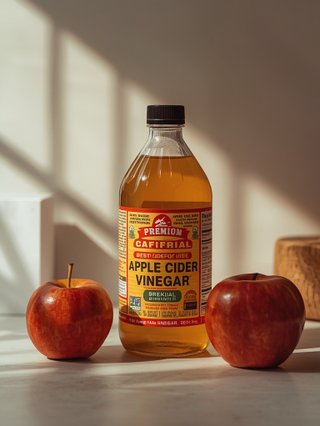
The Science of Pickling: Definition, Processing Mechanisms, and Health Implications of Vinegar-Preserved Foods
Pickling represents a time-honored food preservation technique wherein vegetables and fruits undergo treatment with acidic solutions—primarily vinegar-based brines—to yield products that exhibit distinct organoleptic characteristics and altered nutritional compositions compared to their raw counterparts. This method, employed globally for millennia, serves as a critical strategy for extending the shelf life of perishable plant-based foods. Much like fermented foods, pickled products may confer health benefits, though empirical evidence—including findings from Behera et al.’s 2020 study—suggests these effects are less pronounced than those associated with alternative preservation methods such as lactic acid fermentation. The antimicrobial mechanism in pickling relies predominantly on the exceptionally low pH of the brine (typically below 4.6), which creates an inhospitable environment for pathogenic microorganisms. Unlike fermentation, where beneficial bacterial and fungal cultures competitively inhibit harmful microbes, pickling achieves microbial suppression through the direct bactericidal action of acetic acid. Documented health advantages linked to pickle consumption include: reduction of low-density lipoprotein (LDL) cholesterol levels (commonly referred to as "bad cholesterol"), enhancement of immune system function, potential modulation of blood glucose concentrations (which may contribute to type 2 diabetes prevention), facilitation of digestive processes via stimulation of gastric enzyme secretion, and improved bioavailability of select essential amino acids such as lysine and methionine.
04 / 05
Fermented food products and health benefits: a scientific review with dietary practice implications
Fermentation, as one of the oldest food processing techniques, has historically served primarily as a preservation method while altering the organoleptic properties of products. Only contemporary scientific research has begun systematically investigating its potential health benefits. Fermented foods constitute an integral component of numerous culinary traditions—from European sauerkraut and Scandinavian fermented fish to Asian kimchi varieties. A growing body of research (including Marco et al., 2017; Wajs et al., 2020) indicates multiple advantages associated with regular consumption of microbiologically processed foods, though a critical approach to interpretation remains essential due to individual metabolic variations among consumers.
05 / 05
Traditional Fermented Vegetable Recipes: Radishes and Kohlrabi in Homemade Brine
A comprehensive guide to traditional vegetable fermentation methods, featuring detailed instructions for two classic recipes: crisp radishes and tender kohlrabi slices in homemade brine. Each stage—from ingredient selection and brine preparation to optimal fermentation and storage conditions—is meticulously described to ensure consistent results in both flavor and preservation. The recipes incorporate traditional aromatic additions such as garlic, horseradish, and dill, which enhance the taste profile while supporting natural fermentation processes.
Meal Plan
Want to apply these guidelines in your daily diet?
Our smart diet generator creates a tailored meal plan in 3 minutes based on the recommendations in this article.

Scientifically reviewed by a clinical dietitian
• 25.09.2026
Behera S.S. et al., Traditionally fermented pickles: How the microbial diversity associated with their nutritional and health benefits?, „Journal of Functional Foods” 2020, 70, 103971. Chilton S.N., Burton J.P., Reid G., Inclusion of Fermented Foods in Food Guides around the World, „Nutrients” 2015, 7(1), 390–404. Kołożyn-Krajewska D., Żywność probiotyczna w aspekcie bezpieczeństwa zdrowotnego, „Żywność. Nauka. Technologia. Jakość. Suplement” 2001, 8(4), 93–105. Marco M.L. et al., Health benefits of fermented foods: microbiota and beyond, „Current Opinion in Biotechnology” 2017, 44, 94–102. Montano A. et al., Pickling, Encyclopedia of Food and Health 2016, 369–374. Ratajczak K., Piotrowska-Cyplik A., Myszka K., Badania metapopulacyjne wybranych fermentowanych produktów pochodzenia roślinnego, „Postępy Nauki i Technologii Przemysłu Rolno-Spożywczego” 2017, 72(3), 26–38. Rezac S. et al., Fermented Foods as a Dietary Source of Live Organisms, Frontiers in Microbiology, „Frontiers in Microbiology” 2018. Wajs J., Stobiecka M., Wpływ mlecznych produktów fermentowanych na zdrowie człowieka, Zdrowie i Style Życia. Determinanty Długości Życia, Wrocław 2020.
Diets Premium Expert
Diets Premium team expert. Specializes in nutrition plans, strength sports, and training plans.
USDA FoodData Central
EFSA
PubMed Clinical Guidelines