Individual bowls for babies – corn, rice, barley... When to start feeding bowls?
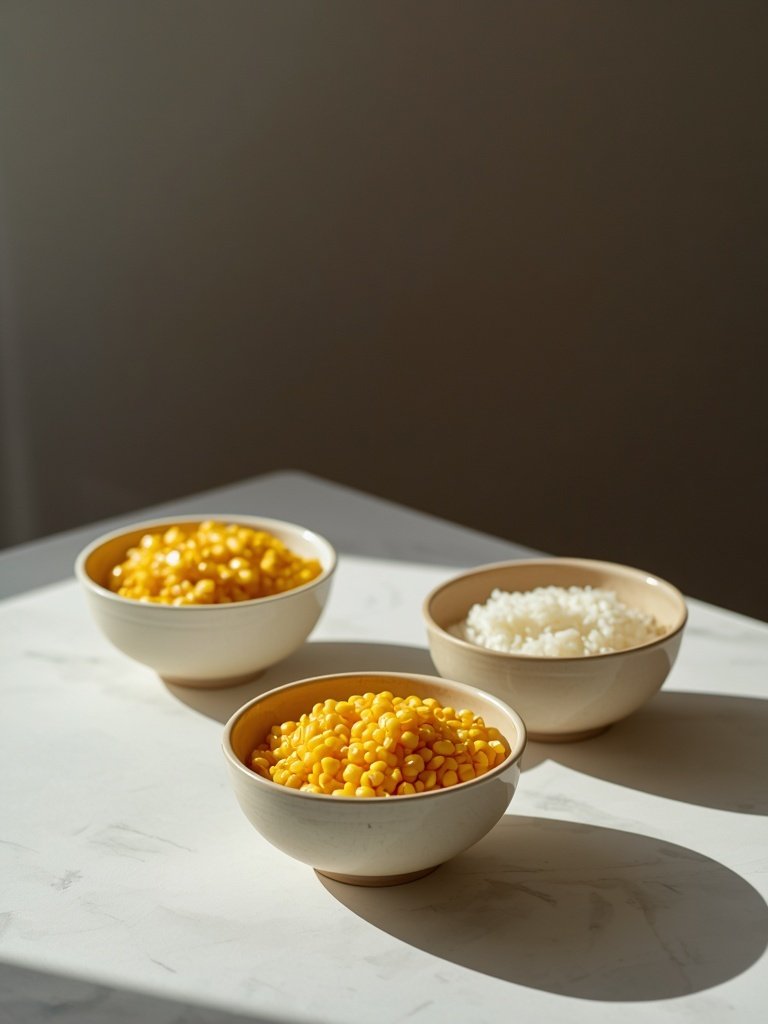
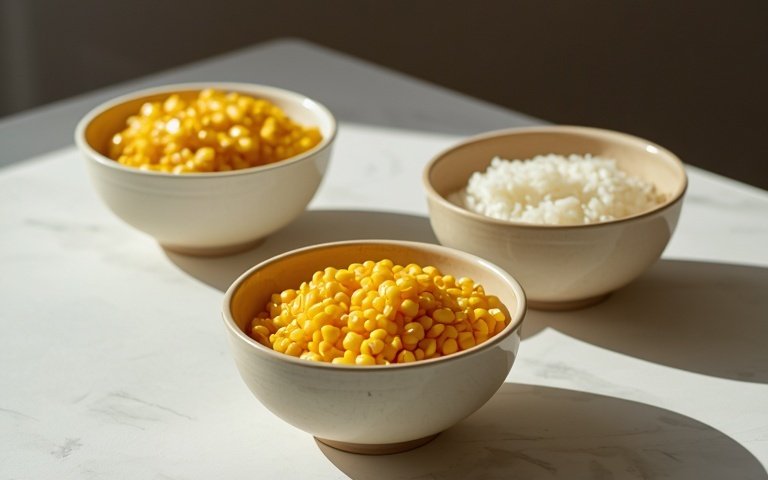
Table of Contents 6
Medical & Editorial Disclaimer (§3 Terms): This article is for informational and educational purposes only, does not constitute medical advice, diagnosis, or treatment, and is used at your own risk. Consult a qualified physician for medical conditions.
The diverse grain varieties offer distinct physiological benefits tailored to early development. Millet provides valuable plant protein and trace elements that support skin and hair health, while maize delivers complex carbohydrates and dietary fiber to encourage healthy intestinal motility. Rice offers exceptional digestibility and a gentle flavor profile, making it a soothing choice during periods of temporary gastrointestinal sensitivity.
Parents are advised to introduce cereal porridges gradually, following the initial introduction of vegetables and fruits. Preparing meals at home allows caregivers to control the texture and incorporate fresh fruit or natural flavorings, supporting the establishment of balanced and wholesome eating habits from an early age.
Nutrient-fortified infant cereal porridge: A foundational component of balanced early-childhood nutrition
Optimal timing for introducing porridge into an infant’s diet – guidelines and sequential approach
Millet porridge for infants: Nutrient-dense first food with dermatological and systemic benefits
Gentle maize porridge for infants: a gluten-free, fiber-rich cereal with essential minerals and B-complex vitamins
Infant rice porridge – a gentle, digestion-friendly meal for early nutrition
Infant rice porridge delivers plant-based protein and carbohydrate levels comparable to those found in corn porridge, while containing threefold less fat by composition. Its subtle, understated flavor profile pairs exceptionally well with fruit purées, rendering it a versatile staple in diversified infant diets. Owing to its high digestibility, this product is particularly recommended during episodes of gastrointestinal distress, such as diarrhea.
Although it ranks lower in vitamin and mineral content relative to alternative porridge varieties, it nonetheless provides essential trace elements: zinc (critical for immune system development), potassium (vital for electrolyte balance), phosphorus (indispensable for skeletal health), and trace amounts of iodine. The table below presents a comprehensive comparison of the nutritional profiles of corn, millet, and rice porridges per 100-gram serving:
| Nutrient (per 100 g) | Corn porridge | Millet porridge | Rice porridge |
|---|---|---|---|
| Protein (g) | 5.9 | 10.5 | 6.7 |
| Carbohydrates (g) | 78.0 | 71.6 | 78.9 |
| Fiber (g) | 7.5 | 3.2 | 2.4 |
| Fat (g) | 3.0 | 2.9 | 0.7 |
| Energy (kcal) | 337 | 346 | 344 |
Due to its mild nature and minimal fiber and fat content, rice porridge remains the gentlest starting point for an infant's digestive system.
Step-by-Step Guide to Homemade Corn Porridge for Infant Nutrition
Want to apply these guidelines in your daily diet?
Our smart diet generator creates a tailored meal plan in 3 minutes based on the recommendations in this article.

mgr Mateusz Pawlak
• 25.09.2026Diets Premium Expert
Diets Premium team expert. Specializes in nutrition plans, strength sports, and training plans.