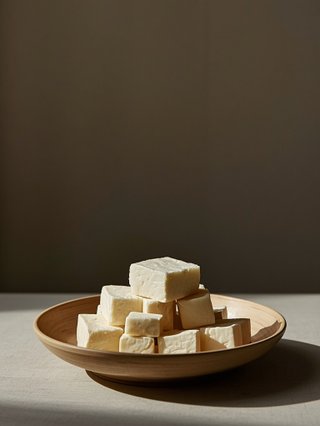
Are plant and animal fats really healthier?


Table of Contents 3
Medical & Editorial Disclaimer (§3 Terms): This article is for informational and educational purposes only, does not constitute medical advice, diagnosis, or treatment, and is used at your own risk. Consult a qualified physician for medical conditions.
At the molecular level, fatty acids are classified by the presence or absence of double bonds in their chemical structure. Plant-derived lipids are predominantly rich in unsaturated fatty acids, including essential polyunsaturated compounds like linoleic acid and alpha-linolenic acid, which the human body cannot synthesize independently and must obtain through diet. Conversely, animal-derived fats primarily supply saturated fatty acids, with marine fish standing out as a vital exception by providing valuable omega fatty acids that support systemic health.
Practical guidance from nutritional science suggests making plant-based fats the foundation of daily nutrition while thoughtfully moderating the intake of animal-derived fats, except for fish products which remain highly beneficial. Adopting these balanced dietary habits fosters optimal physiological function, promotes heart health, and contributes to sustained vitality as part of a healthy lifestyle.
Plant-derived lipid sources: metabolic properties and cardiovascular health implications
Animal-derived fats: composition, nutritional role, and health considerations
Plant-based or animal fats—how to make the healthiest dietary choice?
Want to apply these guidelines in your daily diet?
Our smart diet generator creates a tailored meal plan in 3 minutes based on the recommendations in this article.
Tags

Olivia Davis
• 24.09.2026Diets Premium Expert
Diets Premium team expert. Specializes in nutrition plans, strength sports, and training plans.