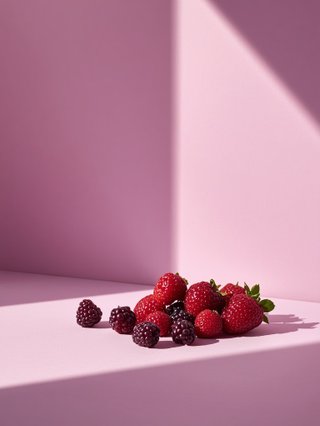
Homemade blackcurrant preserves: original recipes for jams, juices, syrups, traditional tinctures, and wines
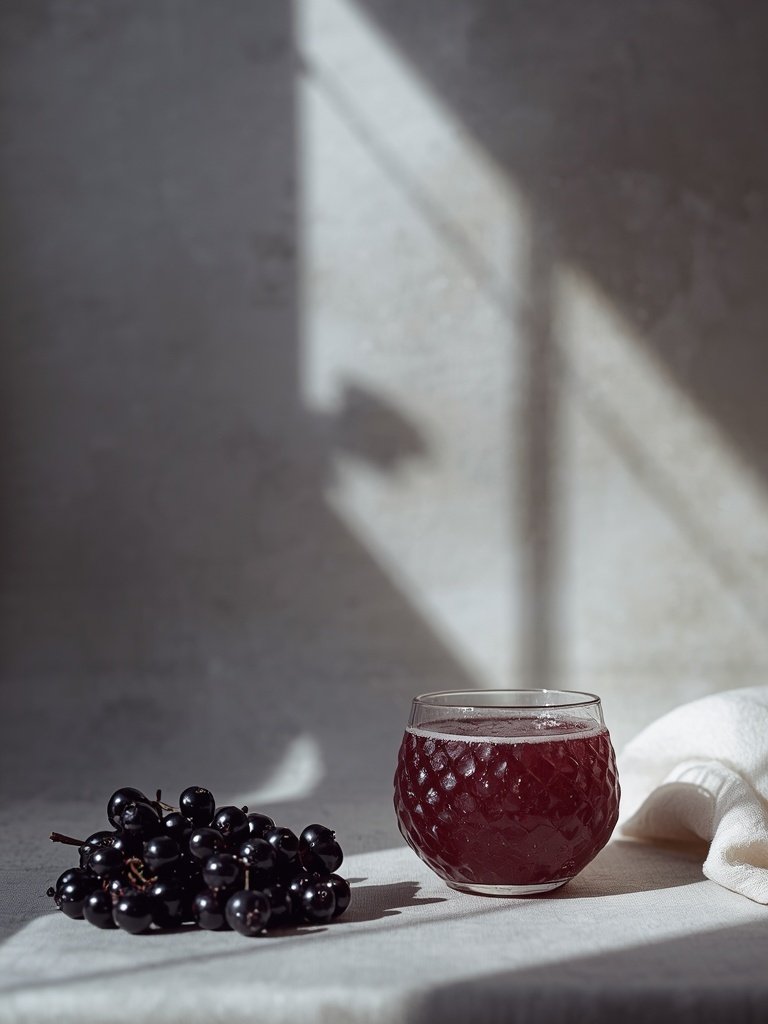
Table of Contents 5
Medical & Editorial Disclaimer (§3 Terms): This article is for informational and educational purposes only, does not constitute medical advice, diagnosis, or treatment, and is used at your own risk. Consult a qualified physician for medical conditions.
The physiological impact of these berries is driven by their exceptional levels of vitamin C and anthocyanin polyphenols, which contribute to vascular protection and the neutralization of oxidative stress. In culinary applications, the high pectin content allows for the creation of lush spreads with a natural gel structure. While juices and syrups are prized for their fortifying properties, the production of traditional tinctures and wines focuses on the sophisticated extraction of tannins and aromatic compounds, resulting in beverages with complex bouquets and deep ruby clarity.
Practical integration into a health-conscious lifestyle involves using cold-pressed juices or low-heat preserves to maintain the integrity of heat-sensitive phytonutrients. Incorporating these preserves into daily meals provides a flavorful way to boost antioxidant intake. By prioritizing ripe, high-quality fruit and mindful sweetening, individuals can create homemade staples that support the body's natural functions while celebrating the diverse culinary potential of this remarkable berry.
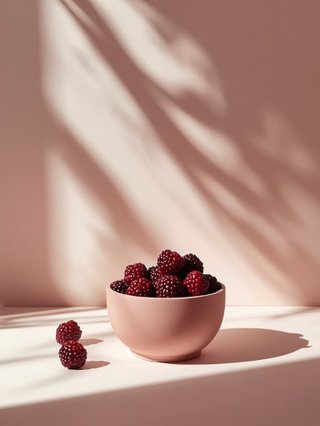
Blackcurrant (Ribes nigrum) ranks among the most valuable temperate berry crops, renowned for its extraordinary nutritional density and bold, pleasantly tart flavor profile. It boasts an exceptional concentration of vitamin C—delivering up to three times more per 100 g than citrus fruits. In addition, blackcurrants are exceptionally rich in anthocyanins, quercetin, pectin, and organic acids, delivering potent free-radical scavenging, vascular protection, and immune support. Crafting artisanal preserves at home is an outstanding method to capture these bioactive health benefits throughout autumn and winter.
Blackcurrant – Nutritional Value and Health Benefits
Blackcurrant berries represent a concentrated reservoir of bioactive phytonutrients. Foremost among them is L-ascorbic acid (vitamin C), reaching 180–300 mg per 100 g of fresh berries. This is complemented by concentrated anthocyanin polyphenols (delphinidin and cyanidin glycosides), which neutralize oxidative stress, attenuate endothelial inflammation, and enhance retinal microcirculation and dark adaptation. Furthermore, blackcurrants supply B-complex vitamins, provitamin A, potassium, magnesium, iron, and rich soluble dietary pectin, promoting digestive regularity and supporting lipid metabolism.
Blackcurrant Jam and Confiture: The Secret to Perfect Gel Consistency
Owing to the abundance of natural pectin concentrated within their skins, blackcurrants naturally achieve a lush, spreadable gel structure without commercial gelling agents. An exquisite artisanal jam requires 1 kg of sorted, washed ripe berries, 350–400 g of unrefined sugar (or xylitol), and 100 ml of pure water. Simmer the berries gently with water until they burst and release their rich juices. Stir in the sweetener and simmer over low heat for 20–30 minutes, stirring steadily. Ladle the hot preserve into sterilized glass jars, seal hermetically, and water-bath pasteurize for 10 minutes. This jam provides a versatile accompaniment for crusty sourdough, pancakes, artisan cheeses, and roasted meats.
Pure Blackcurrant Juice and Syrups for Immune Defense
Cold-pressed or gently steamed blackcurrant juice serves as an esteemed domestic remedy for seasonal immune support and fatigue. It can be prepared using a steam juicer or by macerating crushed berries with moderate amounts of sugar (roughly 300 g per 1 kg of fruit to preserve fruit acidity and stability). Strain the deeply pigmented juice through fine cheesecloth, bring briefly to 85°C to preserve vitamin stability, and decant into dark glass bottles for pasteurization. Added to cooled herbal tea or mineral water, this cordial delivers a refreshing, antioxidant-rich beverage that supports natural vitality throughout the winter months.
Traditional Blackcurrant Tincture: The Art of Smorodinówka
Traditional blackcurrant tincture, known historically in Central Europe as smorodinówka, is widely revered as the crown jewel of artisanal fruit liqueurs due to its intense ruby clarity, velvety viscosity, and intricate aromatic bouquet. The authentic recipe pairs 1 kg of pristine ripe berries with 1 liter of 65–70% alcohol and several freshly picked young blackcurrant leaves to impart nuanced herbal undertones. After macerating for 4–6 weeks in a dark pantry, the alcohol infusion is decanted, and the berries are sweetened with 300–400 g of raw sugar or honey. The blended liqueur requires patient cellar maturation for 6–12 months, allowing tannins to soften into an impeccably rounded digestif.
Artisanal Blackcurrant Wine: Fermentation, Acidity Balance, and Aging
Blackcurrants represent an elite domestic winemaking fruit, delivering rich extract, pronounced pigments, and robust tannins comparable to classic red vitis vinifera cultivars. Because their natural titratable acidity is remarkably elevated (2.5–3.5%), freshly pressed blackcurrant must requires careful amelioration with filtered water and calculated sugar additions to balance pH and ethanol yield. Crushed berries are treated with pectolytic enzymes and inoculated with selected wine yeasts (such as Burgundy or Bordeaux strains). Following a 2–3 week vigorous fermentation, the wine is racked off gross lees for secondary slow fermentation. Cellared under stable temperatures, it matures into an extraordinary dessert or table wine after 1–2 years.
Want to apply these guidelines in your daily diet?
Our smart diet generator creates a tailored meal plan in 3 minutes based on the recommendations in this article.
Tags

Anna Schmidt
• 25.11.2026Diets Premium Expert
Diets Premium team expert. Specializes in nutrition plans, strength sports, and training plans.