Homemade apple cider vinegar – a universal agent for skincare, cleaning, and health support. Step-by-step guide
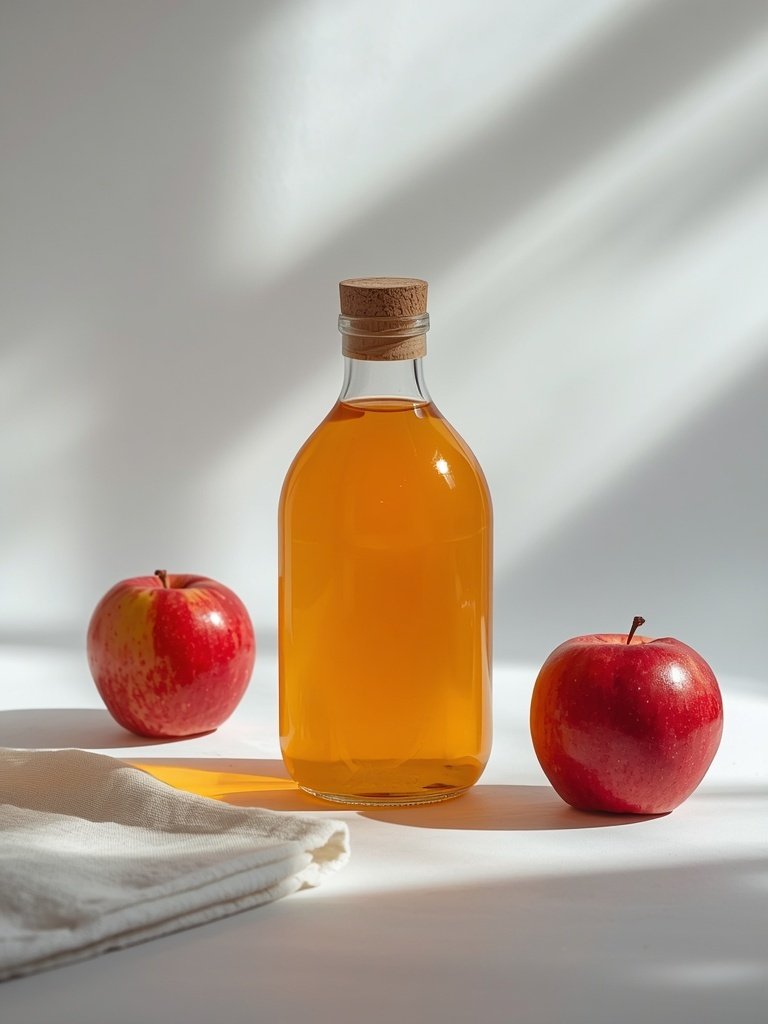
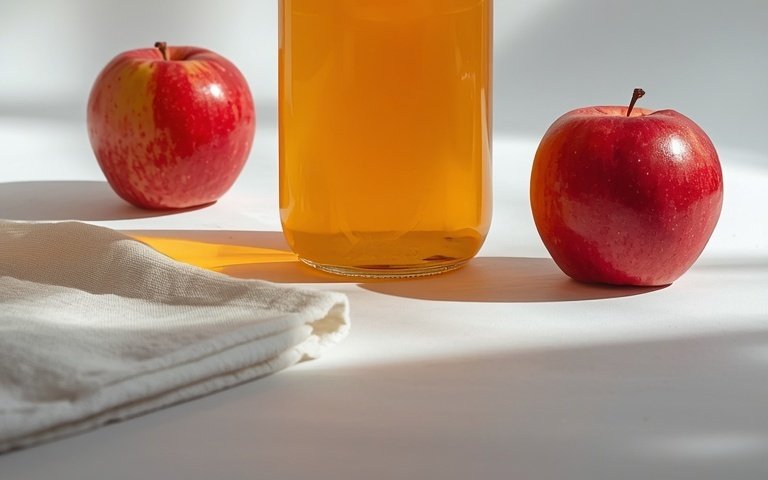
Table of Contents 3
Medical & Editorial Disclaimer (§3 Terms): This article is for informational and educational purposes only, does not constitute medical advice, diagnosis, or treatment, and is used at your own risk. Consult a qualified physician for medical conditions.
From a biochemical perspective, the transformation relies on a two-stage fermentation process in which naturally occurring microorganisms carry out primary alcoholic fermentation followed by acetic acid conversion. In dermatological care, the mild acidity of apple cider vinegar closely aligns with the physiological acidity of healthy skin, helping maintain a balanced skin microbiome and purifying clogged pores. Its natural acetic and alpha-hydroxy acids provide gentle exfoliation that supports epidermal cell turnover and smooths skin texture for individuals prone to blemishes, while in household cleaning, these same acidic properties effectively break down mineral scale, soap scum, and grease across glass, ceramic tiles, and stainless steel fixtures.
To begin home production, clean apple scraps can be placed in a sterilized jar with boiled, lukewarm water and a touch of honey to nourish the beneficial fermentation flora, keeping the container covered with breathable fabric at room temperature. Once matured, diluting the vinegar with an equal part of water yields a gentle antibacterial facial toner suitable for daily skincare. For routine household maintenance, mixing the vinegar with a larger proportion of water creates a versatile multi-surface cleaner, whereas undiluted vinegar paired with a splash of lemon juice can be applied directly to stubborn mineral deposits.
Crafting your own apple cider vinegar is a remarkably straightforward process that repurposes kitchen scraps—such as peels, cores, and leftover apple pieces—into a valuable, multifunctional substance. Through natural fermentation, this seemingly worthless material transforms into a potent solution rich in organic acids, enzymes, and trace minerals, serving as an ideal foundation for nourishing homemade cosmetics, eco-friendly cleaning agents, and supportive wellness practices. Its remarkable adaptability, cost-effectiveness, and sustainability render it an indispensable household staple. Discover firsthand the myriad benefits offered by this traditional yet scientifically supported remedy, which bridges zero-waste living with tangible health and utility advantages.
Cosmetic and Dermatological Applications of Apple Cider Vinegar
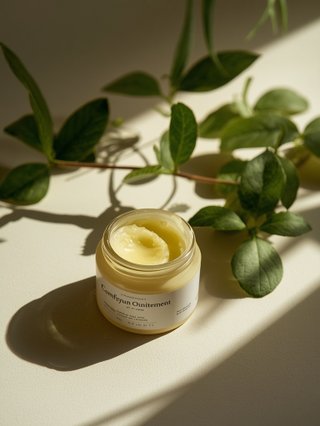
Apple cider vinegar serves as an exceptional natural cosmetic due to its mild acidity, which closely mimics the skin's optimal physiological pH. Diluted with water in a 1:1 ratio, it functions as an effective antibacterial facial toner that balances the skin microbiome, purifies pores, and supports individuals struggling with acne or blemishes. Its natural content of acetic and alpha-hydroxy acids (AHAs) provides gentle exfoliation, promoting cell turnover and smoothing the epidermal texture. Furthermore, apple cider vinegar makes an outstanding hair rinse: diluting a tablespoon in a liter of cool water and applying it after shampooing flattens the hair cuticle, restores natural shine, combats dandruff, and neutralizes hard water mineral buildup. It is also utilized in foot baths to alleviate swelling and leverage its inherent antifungal properties in a safe, cost-effective manner.
Eco-Friendly Household Cleaning and Practical Utility
In household maintenance, apple cider vinegar successfully replaces a multitude of harsh synthetic cleaning products. Its natural acidity breaks down mineral scale, soap scum, grease, and grime on surfaces ranging from glass and ceramic tiles to stainless steel fixtures. A standard dilution of one part vinegar to two parts water creates a versatile multi-surface cleaner for kitchens and bathrooms. For heavy mineral deposits, undiluted vinegar combined with a splash of lemon juice can be applied directly to dissolve stubborn buildup efficiently. Additionally, apple cider vinegar acts as an eco-friendly fabric softener, neutralizing detergent residues and leaving laundry soft without synthetic fragrances. It is also exceptionally useful for neutralizing kitchen odors inside refrigerators and serves as a key component in natural fruit and vegetable washes designed to reduce surface microbes and residues.
Traditional Production of Apple Cider Vinegar and Health Benefits
Traditional home production of apple cider vinegar is a fascinating process based on a two-stage fermentation: primary alcoholic fermentation followed by acetic acid conversion driven by natural microorganisms. Utilizing leftover apple parts such as peels and cores placed in a sterilized jar with boiled, lukewarm water, along with a touch of honey to nourish the starting bacteria, creates an ideal environment for the fermentation flora. The jar is covered with breathable fabric and kept at room temperature, requiring only regular gentle stirring to ensure a constant supply of oxygen necessary for acetic acid bacteria. After about a month, the fermentation concludes, and the finished vinegar can be filtered and bottled tightly. Beyond countless domestic uses, apple cider vinegar exhibits valuable health-promoting properties. Scientific studies indicate that its acidity can support carbohydrate metabolism by helping to stabilize postprandial blood glucose levels and improving insulin sensitivity. Incorporating it into daily wellness and nutrition represents a smart choice that bridges traditional craftsmanship with modern lifestyle medicine.
Want to apply these guidelines in your daily diet?
Our smart diet generator creates a tailored meal plan in 3 minutes based on the recommendations in this article.

Isabella Taylor
• 25.11.2026Diets Premium Expert
Diets Premium team expert. Specializes in nutrition plans, strength sports, and training plans.