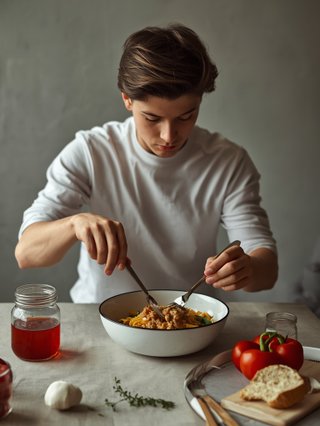
Can grilling be truly healthy and simple? A comprehensive dietary guide, safety rules, and recipes
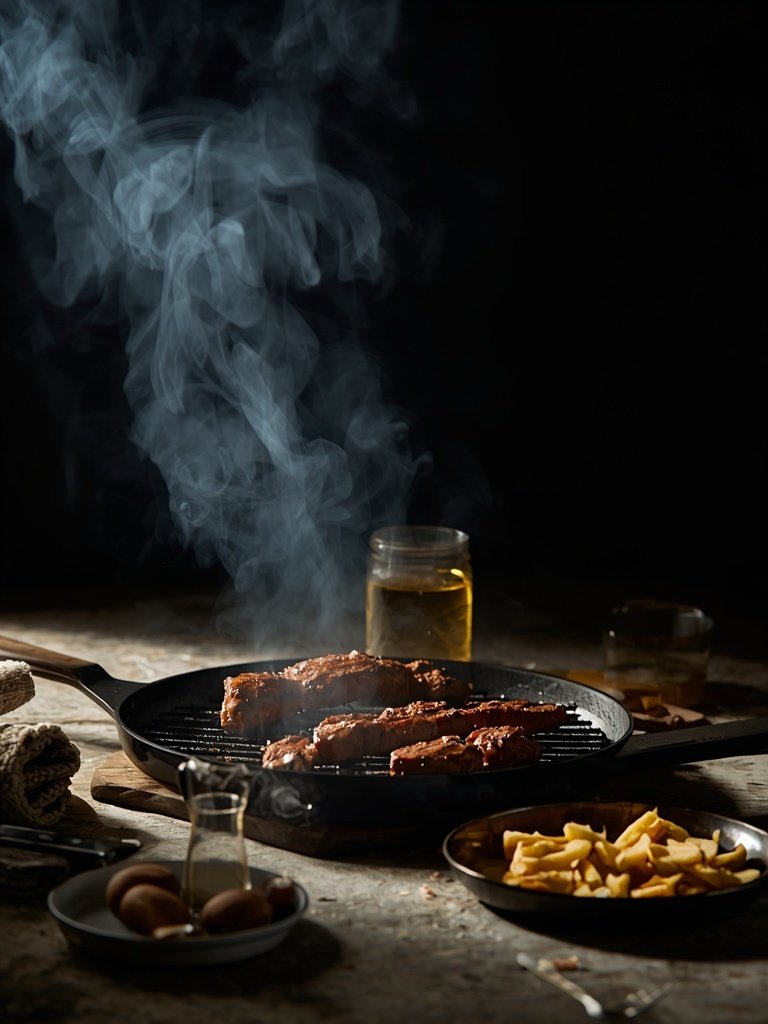
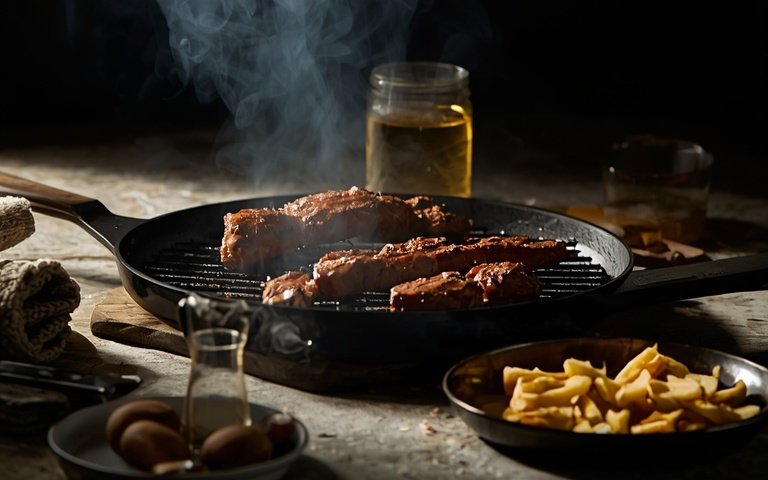
Table of Contents 4
Medical & Editorial Disclaimer (§3 Terms): This article is for informational and educational purposes only, does not constitute medical advice, diagnosis, or treatment, and is used at your own risk. Consult a qualified physician for medical conditions.
The formation of heterocyclic aromatic amines and polycyclic aromatic hydrocarbons occurs when muscle proteins and lipids are exposed to intense heat or direct smoke. Research highlights that these chemical reactions can be significantly mitigated by utilizing antioxidant-rich marinades containing herbs, garlic, and acidic components, which act as protective barriers. By understanding these molecular mechanisms, one can employ culinary techniques that neutralize free radicals and prevent the development of mutagenic compounds during the grilling process.
To promote a healthier grilling experience, focus on incorporating nutrient-dense vegetables and lean proteins like fish or poultry, which are less prone to forming harmful residues. Utilizing drip trays to prevent fat from reaching the embers and ensuring the grill grate is thoroughly cleaned before each use are fundamental safety practices. By combining these evidence-based strategies with a balanced menu, you can enjoy flavorful, wholesome meals that support your health goals throughout the summer season.
Outdoor grilling represents a quintessential summer culinary tradition, yet improper thermal preparation introduces toxicological hazards via the formation of heterocyclic aromatic amines (HCAs) and polycyclic aromatic hydrocarbons (PAHs). This clinical and culinary guide examines the molecular mechanisms driving mutagens in high-heat charring, explores protective antioxidant marinades, and presents evidence-based techniques for health-conscious, nutrient-dense grilling.
Toxicological Risks: Thermal Formation of HCAs and PAHs
High-heat conventional grilling triggers hazardous pyrolytic chemical reactions:
- Heterocyclic Aromatic Amines (HCAs): Synthesized when muscle amino acids, creatine, and hexoses react at temperatures exceeding 150–200°C (300–400°F) on charred meat surfaces, exhibiting documented mutagenic and carcinogenic potential.
- Polycyclic Aromatic Hydrocarbons (PAHs): Formed when rendered animal lipids drip directly onto glowing charcoal embers. Incomplete pyrolysis generates smoke densely laden with volatilized PAHs (including benzo[a]pyrene) that deposits directly onto food surfaces.
Equipment and Safety Rules: Drip Trays, Temperature Control, and Clean Grates
Adhering to empirical equipment and preparation protocols diminishes mutagen formation by up to 90%:
- Barrier Grilling and Drip Trays: Utilize stainless steel or ceramic perforated trays to prevent fat from dripping into the fire bed.
- Thermal Moderation: Grill exclusively over radiant gray embers rather than active flames; always trim and discard blackened or charred meat fringes.
- Grate Hygiene: Thoroughly clean and brush grill grates prior to every session to eliminate pyrolyzed carcinogenic residue from prior cookouts.
Antioxidant Marinades: Polyphenols, Rosemary, Garlic, and Lemon as Chemical Shields
Rigorous food science demonstrates that pre-marinating meats for 1–2 hours suppresses HCA generation by 80–95%:
- Herbal Polyphenols: Rosemary, thyme, oregano, and sage deliver potent phenolic diterpenes (carnosic acid, rosmarinic acid) that quench thermal free radicals.
- Allium Vegetables: Crushed garlic and onion organosulfur compounds block heterocyclic ring formation.
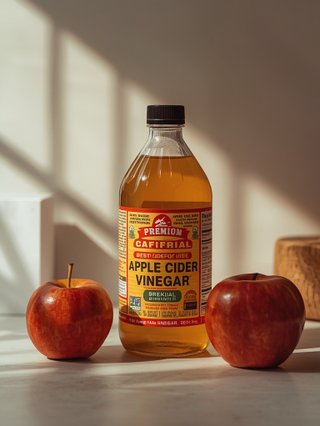
- Acidic Matrices: Lemon juice, apple cider vinegar, or dry red wine tenderize muscle fibers while forming a protective aqueous barrier.
Balanced Grilling Menu: Fish, Vegetables, and Nutrient-Dense Summer Salads
A healthful outdoor dining experience transcends high-fat processed meats:
- Grilled Vegetables: Zucchini, bell peppers, eggplant, and asparagus contain no creatine and cannot form HCAs, delivering protective bioflavonoids.
- Seafood and Lean Poultry: Whole rainbow trout with herbs or lemon-marinated turkey breast provide lean digestible proteins.
- Fresh Mediterranean Salads: Crisp arugula, cherry tomatoes, and pumpkin seeds dressed in extra virgin olive oil supply digestive enzymes and healthy fats.
Want to apply these guidelines in your daily diet?
Our smart diet generator creates a tailored meal plan in 3 minutes based on the recommendations in this article.
Tags

Isabella Taylor
• 23.10.2026Diets Premium Expert
Diets Premium team expert. Specializes in nutrition plans, strength sports, and training plans.