Health consequences associated with the use of synthetic polymer containers in the form of bottles
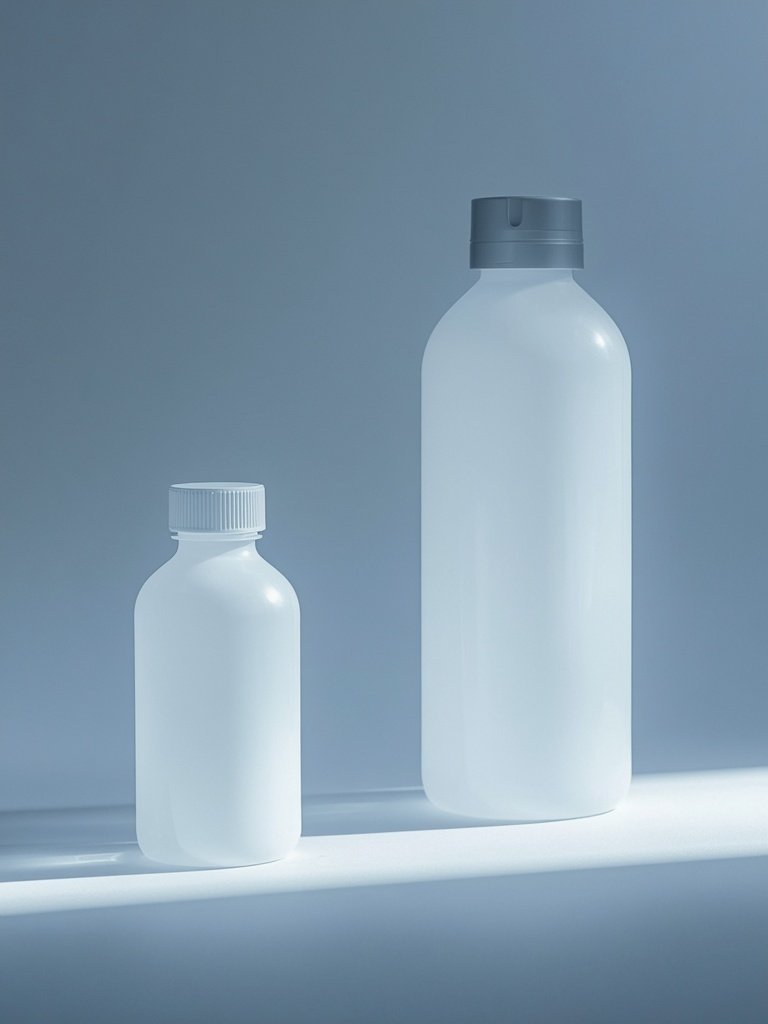
Table of Contents 3
Medical & Editorial Disclaimer (§3 Terms): This article is for informational and educational purposes only, does not constitute medical advice, diagnosis, or treatment, and is used at your own risk. Consult a qualified physician for medical conditions.
An evaluation of resin identification codes and polymer classifications reveals that certain plastic formulations are strictly designated for single use, while others present verified toxicological risks due to chemical leaching. The primary concern involves endocrine-disrupting chemicals, notably bisphenol compounds and phthalate plasticizers, which exhibit affinity for human estrogen receptors and may disrupt hormonal and reproductive homeostasis. These migrating compounds can promote metabolic dysfunction and elevate long-term health risks, with leaching kinetics accelerating significantly under specific environmental conditions.
To mitigate the dual burden of human chemical exposure and global plastic pollution, transitioning toward inert and sustainable packaging alternatives represents a wise approach. Pure glass containers provide the highest standard of chemical safety, remaining completely non-reactive and preventing the transfer of foreign molecules into beverages. Additionally, reusable bottles crafted from food-grade stainless steel offer exceptional durability and a safe method for maintaining daily hydration without compromising physiological health.
Synthetic polymers, colloquially known as plastic, constitute a structural material derived from organic polymeric compounds of either entirely artificial or partially natural origin. Throughout the manufacturing process, these compounds undergo modifications via the incorporation of diverse auxiliary substances designed to impart desired functional characteristics—among these are chromatic pigments for coloration, ultraviolet radiation-resistant compounds to prevent photodegradation, and combustion inhibitors that enhance fire resistance.
Polymer classifications and resin identification codes in bottle packaging
To evaluate the chemical safety of plastic bottles, consumers must check the resin identification code enclosed within a triangle of chasing arrows. Code 1 denotes PET (polyethylene terephthalate)—lightweight and shatterproof, universally used for commercial bottled water, strictly intended for single use. Code 2 designates HDPE (high-density polyethylene)—durable, chemically stable, and food-safe. Code 3 indicates PVC (polyvinyl chloride)—hazardous due to potential toxic plasticizer leaching. Code 4 represents LDPE (low-density polyethylene). Code 5 is PP (polypropylene)—thermally resilient and safe for repeated reuse. Code 6 is PS (polystyrene)—prone to monomer leaching. Code 7 encompasses 'Other' plastics, including polycarbonates often containing Bisphenol A (BPA).
Health implications of plastic bottles: endocrine disruptors and chemical leaching
Storing beverages in synthetic polymer bottles carries verified risks of chemical leaching into drinking fluids. The primary toxicological hazard involves endocrine disrupting chemicals (xenoestrogens), specifically Bisphenol A (BPA) and phthalate plasticizers. These compounds exhibit measurable affinity for human estrogen receptors, disrupting endocrine and reproductive homeostasis, promoting metabolic dysfunction, and elevating cancer risks. Leaching kinetics accelerate exponentially upon exposure to elevated ambient heat (e.g., bottles left inside sunlit vehicles), ultraviolet radiation, and mechanical micro-damage resulting from repeated refills.
Safer sustainable alternatives to single-use plastic bottles
Recognizing the dual burdens of human chemical toxicity and planetary plastic pollution, consumers are strongly advised to embrace sustainable, inert packaging alternatives. Pure glass containers provide the gold standard of chemical safety: as a 100% natural material, glass is chemically inert, non-reactive with acidic or alkaline liquids, and leaches zero foreign molecules. Food-grade stainless steel bottles (grades 18/8 or 304) represent another premier reusable option, offering durability, impact resistance, and freedom from toxic internal linings. Combined with domestic tap water filtration, these alternatives safeguard both health and environment.
Want to apply these guidelines in your daily diet?
Our smart diet generator creates a tailored meal plan in 3 minutes based on the recommendations in this article.

Alicja Kowalska
Diets Premium Expert
Diets Premium team expert. Specializes in nutrition plans, strength sports, and training plans.