PRO Pregnancy & Motherhood 7 min read

Hazardous Products During Pregnancy – How to Avoid Risks for Mother and Baby


Hazardous Products During Pregnancy – How to Avoid Risks for Mother and Baby
1 photo
532
Smart Voice AI
0:00
0:00
Listen to the article content live
Table of Contents 6
PRO Content PRO

This article is professional premium content (PRO) provided in its entirety.

Pregnancy is linked with an increased demand for nutrients and the need for special attention to diet. In this extraordinary period, dietary patterns play a crucial role, not only in maintaining the health of the woman, but also in the proper development of the fetus. There is a group of food items, which despite their widespread availability, may pose a hazard due to the risk of infection, the presence of harmful substances or adverse effects on the course of pregnancy. It is therefore advisable to make prudent dietary decisions and avoid components that are not recommended during pregnancy, as they may cause complications.
01 / 06

Unprocessed animal-derived foods: Microbiological hazards and pregnancy-specific dietary precautions

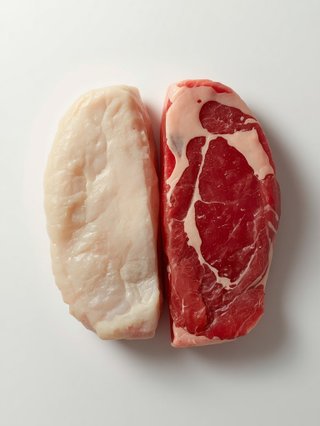
Animal-derived foods consumed without adequate thermal processing—including raw meat, poultry, fish, eggs, and unpasteurized dairy—constitute a major reservoir of bacterial and parasitic pathogens with potentially severe implications for pregnant women. The pregnancy-associated immunosuppression heightens susceptibility to organisms such as *Listeria monocytogenes* (a placenta-penetrating bacterium linked to miscarriage, preterm labor, and neonatal sepsis), *Toxoplasma gondii* (a protozoan causing fetal neurological and ocular damage), and *Salmonella* spp. (a common agent of foodborne illness that may trigger uterine contractions). This summary outlines evidence-based guidelines for mitigating these risks through stringent food selection and preparation protocols.
02 / 06

Fish species with elevated mercury contamination risk – guidelines for pregnant and breastfeeding women

Notwithstanding the well-documented nutritional benefits of fish—including high-quality protein, polyunsaturated omega-3 fatty acids (particularly docosahexaenoic acid, DHA), iodine, and vitamin D—its consumption during pregnancy and lactation necessitates meticulous species selection based on toxicological safety criteria. Of particular concern are large, long-lived predatory fish species that, through bioaccumulation processes, concentrate substantial levels of organic mercury compounds—primarily methylmercury—in their muscle tissues. This compound is characterized by pronounced neurotoxic properties and the capacity to traverse the blood-placental barrier, thereby posing a tangible risk to the proper development of the fetal central nervous system. Prolonged exposure to elevated methylmercury concentrations has been epidemiologically linked to persistent neurocognitive impairments in children, encompassing intellectual disabilities, speech and language delays, sensory deficits (auditory and visual dysfunction), and motor coordination disorders, as evidenced by recent meta-analytical reviews (O’Connor et al., *Journal of Developmental Neurotoxicology*, 2025; Novaes et al., *Environmental Health Perspectives*, 2024).
03 / 06

Consumption of raw sprouts during pregnancy: microbiological contamination hazards and evidence-based dietary precautions

Sprouts derived from plants such as alfalfa, radish, broccoli, mung beans, or soybeans—while recognized for their high concentrations of vitamins, minerals, and bioactive phytochemicals—pose a substantial microbiological hazard when consumed during pregnancy. The germination process, which necessitates a warm and humid environment, creates ideal conditions for the proliferation of pathogenic microorganisms, including *Salmonella* spp., *Listeria monocytogenes*, and Shiga toxin-producing *Escherichia coli* (STEC), even when seeds originate from certified, controlled agricultural sources. Maternal infection with these agents has been clinically associated with severe obstetric complications, such as spontaneous abortion, preterm labor, intra-amniotic infection (e.g., chorioamnionitis), and neonatal sepsis with systemic inflammatory response. Consequently, leading health authorities, including the U. S. Food and Drug Administration (FDA), explicitly advise pregnant individuals to avoid all raw sprouts regardless of type. The only recommended method for safe consumption involves thorough thermal processing—such as boiling at ≥75°C (167°F) for a minimum of five minutes, stir-frying, or baking—to ensure the inactivation of potential contaminants (FDA guidelines, updated 2024).
04 / 06

Prenatal ethanol toxicity: developmental consequences of fetal alcohol exposure

Ethyl alcohol—the primary psychoactive constituent of alcoholic beverages—exhibits **unrestricted permeability** across the placental interface, thereby gaining direct access to the fetal circulatory system. Due to the **immature detoxification pathways** in the developing fetus, ethanol undergoes **minimal metabolic clearance**, leading to **progressive bioaccumulation** and exerting **cytotoxic effects** on differentiating tissues, with particular vulnerability observed in the **central nervous system (CNS)**. **Robust epidemiological evidence**, including longitudinal cohort studies (e.g., Oei et al., 2020), confirms that **any prenatal ethanol exposure**—regardless of dose or frequency—**significantly elevates the risk** of a constellation of developmental disorders collectively termed **fetal alcohol spectrum disorders (FASD)**. The **most severe manifestation**, **fetal alcohol syndrome (FAS)**, is characterized by **permanent structural and functional impairments**, including: – **psychomotor developmental delays** (e.g., deficits in fine/gross motor coordination), – **cognitive-behavioral dysfunctions** (attention deficits, impulsivity, learning disabilities), – **distinctive craniofacial dysmorphologies** (e.g., flattened nasal bridge, smooth philtrum, thin upper lip), – **CNS abnormalities** (microcephaly, neuronal migration defects, reduced brain volume). Given these findings, **global health authorities unanimously advocate for complete abstinence** from alcohol **throughout pregnancy and during preconception**. Additionally, consumers are advised to **scrutinize "non-alcoholic" beverage labels**, as regulatory standards permit up to **0.5% alcohol by volume (ABV)**—a threshold that may pose **developmental risks** to the fetus.
05 / 06

Caffeine: A Scientifically Debated Compound with Potential Implications for Pregnancy and Fetal Development

Caffeine, a naturally occurring alkaloid found in coffee, tea, energy drinks, carbonated beverages such as cola, and chocolate-based products, has been the subject of extensive scientific debate regarding its safety during pregnancy for decades. Its capacity to freely cross the placental barrier, combined with its prolonged half-life in both maternal and fetal organisms, renders the determination of permissible intake levels one of the most intricate challenges in contemporary perinatal medicine. Until recently, experts from the World Health Organization (WHO) and various national public health agencies had maintained that a daily caffeine intake of up to 300 milligrams—equivalent to approximately two to three standard cups of coffee—could be considered relatively safe for pregnant women (see the research conducted by Barańska et al., 2021). However, the most recent systematic reviews and meta-analyses published in subsequent years suggest that even substantially lower quantities of this compound may be associated with significant health risks. Current epidemiological and clinical evidence indicates potential correlations between caffeine consumption during pregnancy and an elevated likelihood of spontaneous miscarriage, intrauterine fetal demise, low birth weight, and intrauterine growth restriction. Furthermore, an increasing body of research highlights the possible adverse effects of caffeine on the neurobehavioral development of the child in later stages of life, including a heightened predisposition to obesity during childhood and adulthood. Notably, these effects may manifest even at doses well below the previously recommended threshold of 300 mg per day, which challenges the existence of a safe consumption limit for caffeine during the prenatal period (as evidenced by the 2025 publications from Dube et al.). In light of the current state of scientific knowledge, a growing number of specialists in gynecology, obstetrics, and neonatology are advising pregnant women to drastically reduce—or, ideally, completely eliminate—caffeine from their daily diets to mitigate potential health hazards to the developing fetus.
06 / 06

Ultra-processed industrial food products

Industrially ultra-processed food items undergo extensive multi-stage technological treatments and are frequently supplemented with a myriad of synthetic additives—including chemical preservatives, flavor potentiators, partially hydrogenated vegetable oils, artificial colorants, and laboratory-engineered flavor compounds designed to mimic natural tastes. While their principal objective is to extend shelf life and enhance palatability through sensory optimization, these products are typified by a markedly low nutrient-to-calorie ratio, coupled with excessive concentrations of refined carbohydrates, sodium chloride, and saturated fatty acids. Chronic consumption of such foodstuffs during gestation has been empirically linked to a cumulative elevation in adverse health outcomes for both the expectant individual and the developing fetus. Longitudinal clinical investigations have established statistically significant associations with gestational insulin dysfunction, aberrant maternal weight gain trajectories, glucose metabolism dysregulation, hypertensive disorders of pregnancy, and elevated inflammatory biomarkers alongside suboptimal nutritional biomarker profiles. Offspring born to mothers whose dietary patterns were characterized by high intake of these products have exhibited notable deficits in neuropsychological developmental milestones, an increased propensity for childhood obesity and metabolic syndrome in later life stages, as well as deficiencies in critical micronutrients—particularly heme iron, zinc, folate, and B-complex vitamins (Morales-Suarez-Varela et al., 2024). In light of these findings, nutritional science authorities strongly advise the substantial curtailment of ultra-processed food intake throughout the prenatal period, specifically advocating for the elimination of fast-food meals, high-sodium snack products, sugar-sweetened carbonated beverages, and "instant" meal solutions in favor of a balanced dietary regimen centered on fresh, whole, or minimally processed ingredients with superior nutritional density.

Meal Plan

Want to apply these guidelines in your daily diet?

Our smart diet generator creates a tailored meal plan in 3 minutes based on the recommendations in this article.

Barańska M. et al., Żywienie kobiet w okresie ciąży – teoria i praktyka, 1000dni.pl/wp-config/uploads/2023/01/poradnik-zywienie-kobiet-w-okresie-ciazy-teoria-i-praktyka.pdf (22.05.2025).
de Oliveira Novaes E. et al., Mercury Levels in the Worldwide Farmed Fish: A Systematic Review, „Biological Trace Element Research” 2024.
Dube R. et al., The Fetal Effect of Maternal Caffeine Consumption During Pregnancy – A Review, „Biomedicines” 2025, 13(2), 390.
Khsim I.E.F. et al., Listeriosis in pregnancy: An umbrella review of maternal exposure, treatment and neonatal complications, „BJOG” 2022, 129(9), 1427–1433.
Morales-Suarez-Varela M., Rocha-Velasco O.A., Impact of ultra-processed food consumption during pregnancy on maternal and child health outcomes: A comprehensive narrative review of the past five years, „Clinical Nutrition ESPEN” 2025, 65, 288–304.
Mollo B. et al., Intrauterine infection caused by nontyphoidal Salmonella: a literature review, „The Journal of Maternal-Fetal & Neonatal Medicine” 2021, 34(23), 4000–4004.
O'Connor L.E. et al., Mercury exposure and childhood outcomes: An overview of systematic reviews, „Environmental Research” 2025, 274, 121196.
Oei J.L., Alcohol use in pregnancy and its impact on the mother and child, „Addiction” 2020, 115(11), 2148–2163.
Salari N. et al., Global seroprevalence of Toxoplasma gondii in pregnant women: a systematic review and meta-analysis, „BMC Pregnancy Childbirth” 2025, 25(1), 90.
Selecting and Serving Produce Safely, fda.gov/food/buy-store-serve-safe-food/selecting-and-serving-produce-safely (22.05.2025).
Scientifically reviewed by a clinical dietitian • 25.09.2026

Barańska M. et al., Żywienie kobiet w okresie ciąży – teoria i praktyka, 1000dni.pl/wp-config/uploads/2023/01/poradnik-zywienie-kobiet-w-okresie-ciazy-teoria-i-praktyka.pdf (22.05.2025). de Oliveira Novaes E. et al., Mercury Levels in the Worldwide Farmed Fish: A Systematic Review, „Biological Trace Element Research” 2024. Dube R. et al., The Fetal Effect of Maternal Caffeine Consumption During Pregnancy – A Review, „Biomedicines” 2025, 13(2), 390. Khsim I.E.F. et al., Listeriosis in pregnancy: An umbrella review of maternal exposure, treatment and neonatal complications, „BJOG” 2022, 129(9), 1427–1433. Morales-Suarez-Varela M., Rocha-Velasco O.A., Impact of ultra-processed food consumption during pregnancy on maternal and child health outcomes: A comprehensive narrative review of the past five years, „Clinical Nutrition ESPEN” 2025, 65, 288–304. Mollo B. et al., Intrauterine infection caused by nontyphoidal Salmonella: a literature review, „The Journal of Maternal-Fetal & Neonatal Medicine” 2021, 34(23), 4000–4004. O'Connor L.E. et al., Mercury exposure and childhood outcomes: An overview of systematic reviews, „Environmental Research” 2025, 274, 121196. Oei J.L., Alcohol use in pregnancy and its impact on the mother and child, „Addiction” 2020, 115(11), 2148–2163. Salari N. et al., Global seroprevalence of Toxoplasma gondii in pregnant women: a systematic review and meta-analysis, „BMC Pregnancy Childbirth” 2025, 25(1), 90. Selecting and Serving Produce Safely, fda.gov/food/buy-store-serve-safe-food/selecting-and-serving-produce-safely (22.05.2025).

Diets Premium Expert

Diets Premium team expert. Specializes in nutrition plans, strength sports, and training plans.

USDA FoodData Central EFSA PubMed Clinical Guidelines
Loading
Recommended articles in this category

Related Articles

Discover similar publications and expert insights.

Tomato: Nutritional profile, role in pregnancy, gout management, and healthy recipes
Pregnancy & Motherhood

Tomato: Nutritional profile, role in pregnancy, gout management, and healthy recipes

⏱ 6 min czytania 📚 Pregnancy & Motherhood
#Vegetable Cultivation #Nutritional Values
Nutritional disorders and support from close individuals
Eating Disorders

Nutritional disorders and support from close individuals

⏱ 5 min czytania
#Eating Disorders #Nutritional Patterns
Current levels of nutritional awareness in society
Nutritional Awareness

Current levels of nutritional awareness in society

⏱ 6 min czytania
#Nutritional Awareness #Dietary Guidelines
Swedish culinary arts: defining characteristics, regional dishes, dining customs, and authentic recipes
Regional Specialties

Swedish culinary arts: defining characteristics, regional dishes, dining customs, and authentic recipes

⏱ 5 min czytania
#Regional Specialties #Bioactive Compounds
Psoriasis – Clinical Characteristics, Subtypes, Symptoms, and the Role of an Anti-Inflammatory Diet
Nutritional Science

Psoriasis – Clinical Characteristics, Subtypes, Symptoms, and the Role of an Anti-Inflammatory Diet

⏱ 9 min czytania 📚 Nutritional Science
#Dietary Patterns #Dietary Changes
How Parents’ Dietary Habits Influence Their Children’s Food Choices
Dietary Choices

How Parents’ Dietary Habits Influence Their Children’s Food Choices

⏱ 5 min czytania
#Dietary Choices #Dietary Habits
Overcoming Childhood Overweight – Adjusting Nutrition and Family Habits Wisely
Diet-Related Diseases

Overcoming Childhood Overweight – Adjusting Nutrition and Family Habits Wisely

⏱ 6 min czytania
#Diet-related Diseases #Nutrition Habits
The Mediterranean diet as an effective way to prevent depression
Cardiovascular Diseases

The Mediterranean diet as an effective way to prevent depression

⏱ 1 min czytania
#Cardiovascular Diseases #Mediterranean Diet
White meat compared to red meat: classification criteria, nutritional profiles, and health implications of consumption
Meat Science

White meat compared to red meat: classification criteria, nutritional profiles, and health implications of consumption

⏱ 4 min czytania 📚 Meat Science
#Health Consequences #Dietary Patterns
Alternative Natural Sweeteners – Stevia, Xylitol, Honey, Agave Syrup, and Licorice Root as Sucrose Replacements
Health Benefits

Alternative Natural Sweeteners – Stevia, Xylitol, Honey, Agave Syrup, and Licorice Root as Sucrose Replacements

⏱ 6 min czytania
#Health Benefits #Metabolic Disorders
Critical Nutritional Deficiencies in Plant-Based Diets: Vitamin B12, Iron, Zinc, Calcium, and Omega-3 (EPA/DHA)
Plant-Based Diets

Critical Nutritional Deficiencies in Plant-Based Diets: Vitamin B12, Iron, Zinc, Calcium, and Omega-3 (EPA/DHA)

⏱ 3 min czytania
#Plant-based Diets #Minerals And Vitamins
Sweet cherry varieties and nutritional properties: Caloric density, glycemic index, and clinical dietary applications
Nutritional Properties

Sweet cherry varieties and nutritional properties: Caloric density, glycemic index, and clinical dietary applications

⏱ 7 min czytania
#Nutritional Properties #Bioactive Compounds
Diverse plant-based dietary patterns: A taxonomy of vegetarian variants
Dietary Deficiencies

Diverse plant-based dietary patterns: A taxonomy of vegetarian variants

⏱ 6 min czytania
#Dietary Deficiencies #Dietary Patterns
Psychological well-being disturbances and excess body weight: dietary-psychological interrelations
Polyunsaturated Fatty Acids

Psychological well-being disturbances and excess body weight: dietary-psychological interrelations

⏱ 3 min czytania
#Polyunsaturated Fatty Acids #Refined Carbohydrates
Precision-Milled Flaxseed: Nutritional Matrix, Soluble Mucilage, Lignans, and Culinary Utilization
Nutritional Science

Precision-Milled Flaxseed: Nutritional Matrix, Soluble Mucilage, Lignans, and Culinary Utilization

⏱ 3 min czytania 📚 Nutritional Science
#Balanced Diet On The Go #Culinary Staple
Unquenchable thirst: underlying causes and evidence-based strategies for alleviation
Physical Activity Levels

Unquenchable thirst: underlying causes and evidence-based strategies for alleviation

⏱ 5 min czytania
#Physical Activity Levels #Physical Activity
Halitosis (Oral Malodor): Volatile Sulfur Compounds (VSC), Tongue Dorsum Microbiome, and Management
Dietary Patterns

Halitosis (Oral Malodor): Volatile Sulfur Compounds (VSC), Tongue Dorsum Microbiome, and Management

⏱ 6 min czytania
#Dietary Patterns #Homemade
Hazelnuts (Corylus avellana): Nutritional Profile, Bioactive Compounds, and Clinical Relevance
Food & Ingredients

Hazelnuts (Corylus avellana): Nutritional Profile, Bioactive Compounds, and Clinical Relevance

⏱ 3 min czytania 📚 Food & Ingredients
#Metabolic Processes #Dietary Patterns
Surimi Crab Sticks – Technological Composition, Nutritional Value, Market Price, and Culinary Recipes
Food & Ingredients

Surimi Crab Sticks – Technological Composition, Nutritional Value, Market Price, and Culinary Recipes

⏱ 5 min czytania 📚 Food & Ingredients
#Nutritional Composition #Omega-3 Fatty Acids
Cereal Bran (Milling Byproducts) – Manufacturing Process, Nutritional Composition, Health Properties, and Varieties
Food & Ingredients

Cereal Bran (Milling Byproducts) – Manufacturing Process, Nutritional Composition, Health Properties, and Varieties

⏱ 3 min czytania 📚 Food & Ingredients
#Nutritional Composition #Hypercholesterolemia
Joint Regeneration and Comprehensive Musculoskeletal Support Across Life and Activity Stages
Macronutrients And Micronutrients

Joint Regeneration and Comprehensive Musculoskeletal Support Across Life and Activity Stages

⏱ 5 min czytania
#Macronutrients And Micronutrients #Macronutrients In Health
Peanuts – nutritional profile, cultivation techniques, and health implications: an examination of dietary value and potential consumption benefits
Food & Ingredients

Peanuts – nutritional profile, cultivation techniques, and health implications: an examination of dietary value and potential consumption benefits

⏱ 4 min czytania 📚 Food & Ingredients
#Nutritional Composition #High-Protein Food
The obesity-depression nexus: Interdependent mechanisms and escalating co-prevalence
Mental & Brain

The obesity-depression nexus: Interdependent mechanisms and escalating co-prevalence

⏱ 4 min czytania 📚 Mental & Brain
#Dietary Modifications #Dietary Patterns
Cardioprotective role of phenolic compounds: Scientific insights from the European BACCHUS project
Cardiovascular Disease Prevention

Cardioprotective role of phenolic compounds: Scientific insights from the European BACCHUS project

⏱ 2 min czytania
#Cardiovascular Disease Prevention #Cardiovascular Disease
The Psychological Consequences of Restrictive Dieting: Mood Disorders, Caloric Obsession, and Neurobiological Adaptations
Dietary Patterns

The Psychological Consequences of Restrictive Dieting: Mood Disorders, Caloric Obsession, and Neurobiological Adaptations

⏱ 3 min czytania
#Dietary Patterns #Metabolic
Whole Grain Flours in Practice: Wheat, Rye, Spelt, and Brown Rice – Nutritional Characteristics, Culinary Applications, and Health Benefits
Nutritional Benefits

Whole Grain Flours in Practice: Wheat, Rye, Spelt, and Brown Rice – Nutritional Characteristics, Culinary Applications, and Health Benefits

⏱ 3 min czytania
#Nutritional Benefits #Whole Grain Flour
Training Utilizing the HST Method
Pregnancy & Motherhood

Training Utilizing the HST Method

⏱ 7 min czytania 📚 Pregnancy & Motherhood
#Muscle Mass #Pregnancy
Urinary bladder infection in pregnant women - warning signs, homemade treatments
Pregnancy & Motherhood

Urinary bladder infection in pregnant women - warning signs, homemade treatments

⏱ 2 min czytania 📚 Pregnancy & Motherhood
#Homemade #Inflammation
Constipation during pregnancy... What about these problems during pregnancy?
Pregnancy & Motherhood

Constipation during pregnancy... What about these problems during pregnancy?

⏱ 3 min czytania 📚 Pregnancy & Motherhood
#Constipation During Pregnancy #Constipation
Water retention in the body – symptoms, consequences... Is there a method to eliminate excess water from the body?
Pregnancy & Motherhood

Water retention in the body – symptoms, consequences... Is there a method to eliminate excess water from the body?

⏱ 5 min czytania 📚 Pregnancy & Motherhood
#Weight Loss And Diet #Healthy Weight Loss
For Trainees

Latest Diets

Discover other diet plans with similar goals and nutrients.

Share