PRO
6 min read
Hair Loss – Comprehensive Guide to the Phenomenon

1 photo
384
Smart Voice
AI
0:00
0:00
Listen to the article content live
Table of Contents 17
PRO Content
PRO
This article is professional premium content (PRO) provided in its entirety.
Hair loss affects millions of people around the globe, irrespective of age, gender, or background. Although it is perceived primarily as an aesthetic issue, it can have a significant impact on the psyche, lower self-esteem, and deteriorate the quality of life. The causes of hair loss vary – ranging from genetic factors to hormonal changes to the impact of diet or excessive stress. Therefore, it is crucial to acquire knowledge about the various aspects of this phenomenon, including its underlying causes, diagnostic methods, and available prevention and treatment options.
01 / 17
Underlying determinants of alopecia: a comprehensive examination of causative factors
Hair thinning and shedding represent a multifactorial condition rooted in an interplay of biological, environmental, and behavioral determinants. This examination categorizes these causative elements according to their pathophysiological and clinical attributes, thereby facilitating a nuanced understanding of the phenomenon’s multidimensional nature.
02 / 17
Hereditary hair loss: genetic inheritance patterns and androgenic influence
The predominant hereditary form of hair thinning is androgenetic alopecia (AGA), a condition affecting both sexes but manifesting with distinct phenotypic patterns. The underlying mechanism involves heightened susceptibility of hair follicle cells to dihydrotestosterone (DHT)—a potent testosterone derivative with amplified androgenic activity—that triggers progressive follicular miniaturization and shortening of the anagen (growth) phase. In male patients, this process typically presents as bitemporal recession of the frontal hairline coupled with vertex thinning, often culminating in the classic "horseshoe" pattern of baldness. Female-pattern AGA, by contrast, is characterized by diffuse hair thinning across the scalp while preserving the anterior hairline, with complete baldness occurring only in exceptional cases (as documented in the 2014 clinical observations by Piraccini and Alessandrini).
03 / 17
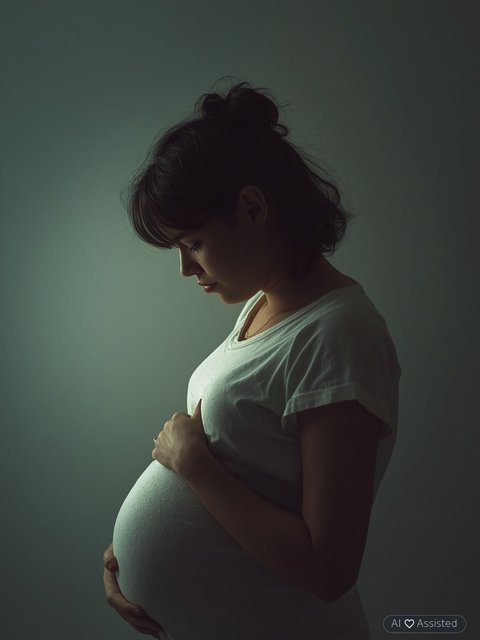
Hormonal fluctuations and hair condition during the peripartum period
Throughout pregnancy, elevated estrogen concentrations promote a marked increase in hair density and accelerate growth rates by stimulating follicular structures. Nevertheless, during the postpartum phase—as hormonal profiles stabilize—many women encounter a pronounced shedding phenomenon clinically termed *postpartum telogen effluvium* (as documented by Hirose and colleagues in their 2023 publication).
04 / 17
Hormonal shifts during menopause and their impact on hair health
Throughout the menopausal transition, the decline in circulating estrogen exerts a measurable effect on hair integrity, manifesting as heightened fragility, reduced density, and a deceleration in growth rates—findings corroborated by research led by C. C. Zouboulis and colleagues in 2022.
05 / 17
Thyroid dysfunction and its impact on hair structure and growth cycles
Both excessive hormonal activity (hyperthyroidism) and deficient hormone production (hypothyroidism) exert detrimental effects on hair health, as thyroxine (T4) and triiodothyronine (T3) play a pivotal role in modulating cellular metabolic processes and regulating the functional activity of hair follicles. Imbalances in these hormones can precipitate premature termination of the anagen (growth) phase, accelerated transition into the telogen (resting) phase, and overall weakening of the hair shaft structure, which manifests clinically as increased fragility and reduced hair density. Clinical research conducted by Hussein and colleagues (2023) has substantiated a significant correlation between aberrant thyroid hormone levels and the development of diffuse telogen effluvium—a form of non-scarring alopecia characterized by excessive shedding.
06 / 17
Dermatological disorders of the scalp: symptomatology, etiologies, and implications for follicular integrity
This condition encompasses either chronic or acute inflammatory processes manifested by the emergence of erythematous, desquamating lesions across the scalp surface, which may result in the progressive weakening and degeneration of follicular structures—as substantiated by the 2018 research conducted by Trüeb and colleagues. Furthermore, fungal infections of the scalp (tinea capitis) represent a clinically significant concern, as they not only compromise the epidermis and hair shafts—leading to heightened fragility and shedding—but also, in the absence of prompt diagnostic and therapeutic intervention, may induce permanent damage to hair-forming units, as evidenced in the 2023 studies by Atta and Hussein.
07 / 17
Psoriatic lesions of the scalp
– promotes the development and accumulation of scaly deposits on the scalp surface, thereby disrupting the physiological regeneration cycle of hair follicles and ultimately resulting in progressive hair thinning (as evidenced by research conducted by Trüeb et al. in 2018).
08 / 17
Nutrient inadequacies and their impact on hair integrity: examining deficiency-related structural and growth impairments
Inadequate nutritional intake, characterized by insufficient provision of essential macro- and micronutrients, can exert multifaceted detrimental effects on hair health and integrity. Among the most severe consequences is iron-deficiency anemia—a condition in which the body lacks adequate iron reserves for optimal hemoglobin synthesis, thereby impairing oxygen delivery to hair follicles. This physiological disruption manifests as progressive weakening of the hair shaft, heightened fragility, and accelerated shedding. Equally critical is protein deficiency, given that proteins constitute the primary building blocks of keratin, the fibrous structural protein that comprises hair; insufficient protein intake leads to the degradation of hair fibers and impedes regenerative processes. Furthermore, the roles of trace elements such as zinc (which governs cellular division within the hair matrix), the B-vitamin complex (which supports keratinocyte metabolism), and vitamin D (which modulates the hair growth cycle) cannot be overstated. Deficiencies in these nutrients have been empirically linked to telogen effluvium and structural abnormalities in the hair shaft, as substantiated by research conducted by Almohanna and colleagues in 2019.
09 / 17
Psychophysiological stress-induced hair growth disruption
Prolonged psychophysical strain—whether originating from somatic or emotional sources—can profoundly disrupt the hair follicle renewal cycle. Among the most prevalent stress-related conditions is *telogen effluvium*, a phenomenon characterized by the premature and synchronous transition of anagen-phase (actively growing) hairs into the telogen phase, a dormant period preceding natural shedding. This shifted hair cohort remains in telogen for approximately two to four months before undergoing diffuse, noticeable shedding, often manifesting with a temporal lag relative to the initial stressor. While typically reversible, the condition may result in a transient yet clinically significant reduction in hair density, as corroborated by clinical investigations, including those conducted by Phillips et al. in 2017.
10 / 17
Medication-related alopecia: pharmaceutical agents with potential adverse effects on hair follicles
Pharmacologically induced alopecia may manifest as an adverse reaction to specific classes of therapeutic agents. Chemotherapeutic regimens, while primarily designed to target rapidly dividing malignant cells through cytotoxic mechanisms, concomitantly disrupt the mitotic activity of keratinocyte populations within hair follicles, thereby precipitating either diffuse or patchy hair shedding. Comparable iatrogenic effects have been documented for β-adrenergic antagonists prescribed in cardiovascular medicine, anticoagulant medications that modulate coagulation pathways, and certain antihypertensive pharmaceuticals used to manage elevated blood pressure. Patients experiencing pronounced hair thinning or shedding during pharmacological treatment should seek medical evaluation to potentially adjust dosage regimens, substitute alternative agents, or implement adjunctive interventions aimed at mitigating the severity of these treatment-emergent adverse events (as evidenced by the 2023 study conducted by L. Alhanshali and colleagues).
11 / 17
Identifying the underlying causes of alopecia: A comprehensive clinical and laboratory diagnostic approach
The diagnostic process for determining the etiology of alopecia necessitates a meticulous medical history review alongside a comprehensive dermatological assessment. A qualified specialist—typically a dermatologist or a board-certified trichologist—should conduct an in-depth analysis of the patient’s complete medical background, accounting for genetic predispositions, lifestyle factors, and potential environmental influences. An indispensable component of this evaluation is a thorough physical examination of the scalp, which may reveal inflammatory lesions, scarring, or other structural abnormalities. When deeper diagnostic insight is required, supplementary investigations are advised, including a complete blood count with differential, a hormonal panel (encompassing thyroid function tests, androgen levels, and cortisol measurements), and serological assays to screen for autoimmune disorders. In select cases, particularly when dermatopathologies are suspected, a scalp biopsy with histopathologic evaluation may be warranted to facilitate a precise assessment of hair follicle integrity and any degenerative alterations present.
12 / 17
Therapeutic approaches for excessive hair shedding – a comprehensive guide to diagnosis and intervention strategies
The management of alopecia is tailored individually based on the identified etiology and the patient’s unique physiological requirements. A cornerstone of the therapeutic process involves dietary modification and ensuring adequate intake of essential micro- and macronutrients critical for hair follicle regeneration. Particular emphasis should be placed on increasing the consumption of high-quality animal and plant-based proteins, bioavailable iron forms (especially in cases of ferritin deficiency), the B-vitamin complex (including folic acid and biotin), the trace element zinc with documented effects on keratinization, and polyunsaturated omega-3 fatty acids, which exhibit anti-inflammatory properties at the scalp level.
13 / 17
Pharmacotherapeutic interventions for alopecia: an evidence-based overview of available agents and their mechanisms
In cases of progressive hair thinning—particularly in androgenetic alopecia (AGA)—dermatologists or trichologists may recommend systemic or topical pharmacotherapy with well-documented efficacy. The most commonly prescribed agents include minoxidil, a local modulator of the hair cycle that prolongs the anagen phase, and finasteride, an oral type II 5-alpha-reductase inhibitor that suppresses the conversion of testosterone to dihydrotestosterone (DHT), the primary pathophysiological driver in AGA.
14 / 17
Cutting-edge therapeutic approaches in aesthetic dermatology and trichology
Advanced medical interventions—including high-precision laser scalp stimulation, dermal micronutrient microinjections, and surgical hairline reconstruction procedures—represent groundbreaking solutions for patients contending with extensive or progressive alopecia of varied etiologies. These approaches integrate cutting-edge scientific advancements with personalized therapeutic protocols, thereby enabling the attainment of superior aesthetic and functional outcomes.
15 / 17
Pharmaceutical agents and nutritional formulations designed to enhance hair follicle proliferation
Currently available in pharmacies, drugstores, and health food retailers is an extensive selection of specialized formulations—including topical ampoule treatments, premium restorative shampoos, nutrient-rich conditioning masks, botanical oils, and targeted dietary supplements—each scientifically composed to enhance the biological mechanisms that promote both the growth and structural fortification of hair fibers.
16 / 17
Evidence-based home remedies for hair fortification: efficacy, practical applications, and underlying considerations
This comprehensive analysis explores a diverse array of empirically supported techniques utilizing naturally derived ingredients—such as botanical oils (including coconut and argan oil), customized formulations based on chicken eggs, or aloe vera gel—whose consistent application may contribute to enhanced hydration of the scalp and improved tensile resilience of hair fibers. Peer-reviewed research, including the 2017 study by Phillips et al., suggests that integrating these preparations with manual scalp massage techniques can promote increased microcirculation within hair follicles and stimulate regenerative processes. It is critical to emphasize, however, that no topical intervention can substitute for etiological diagnosis—particularly in cases where hair fragility or loss stems from endocrine disorders (e.g., hypothyroidism) or other systemic pathologies. Without addressing the root cause through targeted medical intervention, even the most efficacious supportive measures may yield only transient improvements. Therefore, consultation with a trichologist or dermatologist is indispensable to formulate an evidence-based treatment protocol that holistically addresses both extrinsic and intrinsic contributing factors.
17 / 17
Evidence-based strategies for effectively preventing excessive hair loss: A comprehensive guide
Maintaining hair density and health necessitates a systematic approach integrating balanced nutrition, appropriate cosmetic care, and—where clinically indicated—specialized medical support. Core preventive measures include: **1.** Adhering to a nutrient-dense, well-balanced diet emphasizing whole grains, lean protein sources, plant-based healthy fats, and deeply pigmented fruits/vegetables to ensure adequate antioxidant intake. **2.** Eliminating or significantly reducing heat-based styling procedures (flat irons, curling wands, high-heat blow dryers) and chemical treatments (perms, bleaching), which compromise hair integrity. **3.** Selecting gentle, pH-neutral cleansing products, using reparative conditioners, and routinely applying hydrating masks containing keratin or natural oils. **4.** Trimming split ends quarterly to prevent progressive breakage along the hair shaft. **5.** Actively mitigating oxidative and psychological stress through relaxation techniques (meditation, yoga, controlled breathing), which enhance scalp microcirculation. **6.** Considering targeted supplementation (e.g., biotin, zinc, iron) following consultation with a trichologist or primary care physician. **7.** Avoiding hairstyles that exert excessive tension (tight ponytails, braids, cornrows), as these may precipitate traction alopecia. **8.** Promptly consulting a dermatologist or trichologist upon observing alarming symptoms—such as sudden thinning, scalp pruritus, or visible bald patches—to facilitate rapid diagnosis and causal treatment. Adherence to these evidence-based guidelines can substantially improve hair condition and reduce the likelihood of excessive shedding.
Meal Plan
Want to apply these guidelines in your daily diet?
Our smart diet generator creates a tailored meal plan in 3 minutes based on the recommendations in this article.

Scientifically reviewed by a clinical dietitian
• 25.09.2026
Alhanshali L. et al., Medication-induced hair loss: An update, „Journal of the American Academy of Dermatology” 2023, 9(2S), 20–28. Almohanna H.M. et al., The Role of Vitamins and Minerals in Hair Loss: A Review, „Dermatology and Therapy” 2019, 9(1), 51–70. Atta M., Hussein F., Isolation and Identification of Fungi That Cause Hair Loss (Alopecia), „Advances in Bioscience and Biotechnology” 14, 337–345. Cleveland Clinic, Hair Loss in Women, my.clevelandclinic.org/health/diseases/16921-hair-loss-in-women (18.08.2024). Hirose A. et al., Investigation of exacerbating factors for postpartum hair loss: a questionnaire-based cross-sectional study, „International Journal of Women's Dermatology” 2023, 9(2), e084. Hussein R.S., Atia T., Bin Dayel S., Impact of Thyroid Dysfunction on Hair Disorders, „Cureus” 2023, 15(8), e43266. Phillips T.G. et al., Hair Loss: Common Causes and Treatment, „American Academy of Family Physicians” 2017, 96(6), 371–378. Piraccini B.M., Alessandrini A., Androgenetic alopecia, „Italian Journal of Dermatology and Venereology” 2014, 149(1), 15–24. Trüeb R.M. et al., Scalp Condition Impacts Hair Growth and Retention via Oxidative Stress, „International Journal of Trichology” 2018, 10(6), 262–270. Zouboulis C.C. et al., Skin, hair and beyond: the impact of menopause, „Climacteric” 2022, 25(5), 434–442.
Diets Premium Expert
Diets Premium team expert. Specializes in nutrition plans, strength sports, and training plans.
USDA FoodData Central
EFSA
PubMed Clinical Guidelines