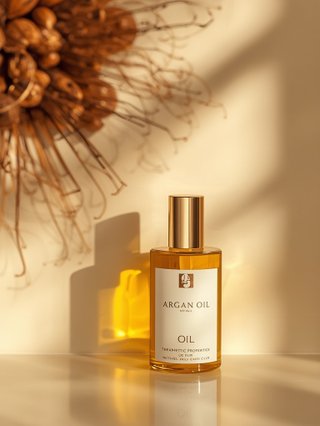
Peanut oil – health benefits and role in skincare and natural cosmetics
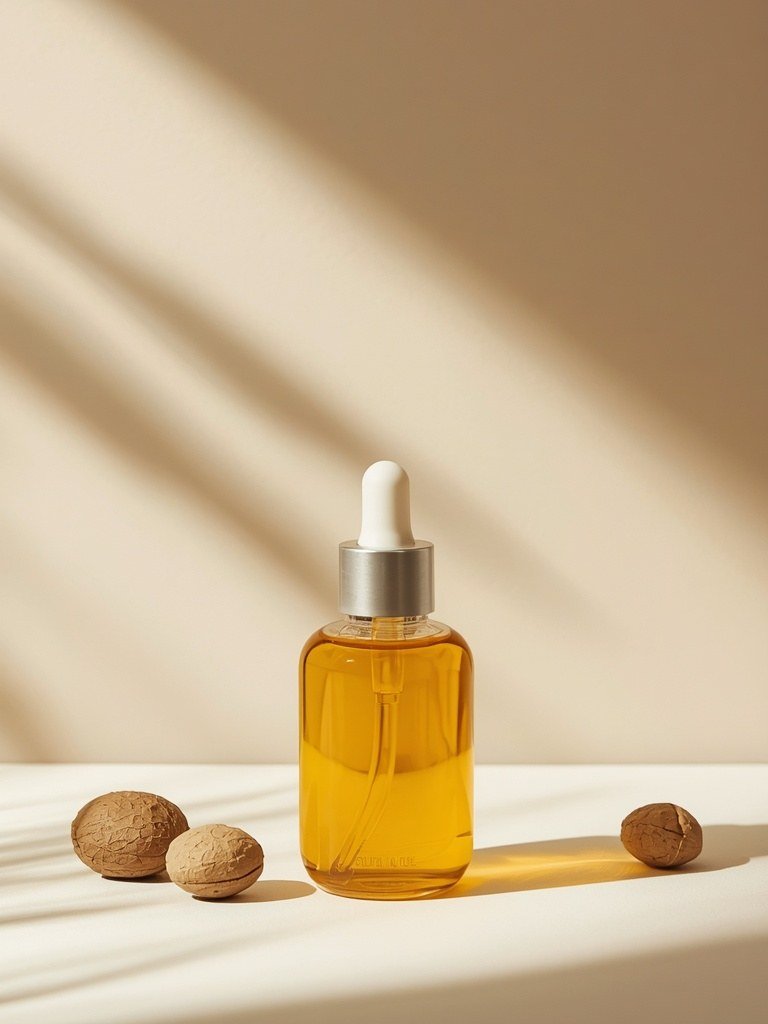
Table of Contents 3
Medical & Editorial Disclaimer (§3 Terms): This article is for informational and educational purposes only, does not constitute medical advice, diagnosis, or treatment, and is used at your own risk. Consult a qualified physician for medical conditions.
This oil is characterized by a substantial content of monounsaturated oleic acid, complemented by polyunsaturated linoleic acid and saturated fatty acids. Refined groundnut oil boasts one of the highest smoke points among vegetable oils, rendering it excellent for high-temperature cooking methods such as stir-frying and deep-frying without generating harmful compounds. Furthermore, its natural presence of resveratrol and phytosterols may support cardiovascular health by positively influencing cholesterol levels and promoting vascular function.
For daily application, groundnut oil can serve as a wholesome alternative to animal fats in cooking, particularly for dishes requiring intense heat. In skincare, it acts as a rich, moisturizing emollient for dry or compromised skin, helping to fortify the skin barrier and enhance suppleness. However, individuals with diagnosed peanut allergies must strictly avoid unrefined groundnut oil due to potential residual protein traces that could trigger allergic reactions.
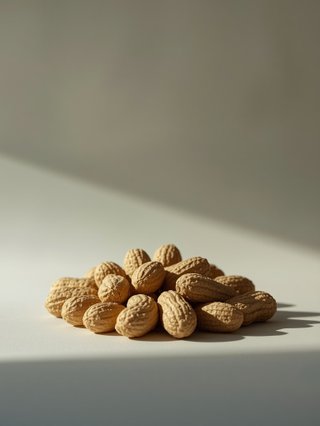
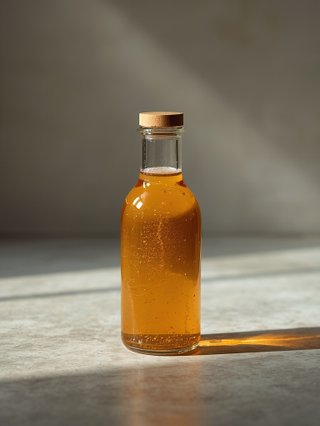
Groundnut oil, commonly designated peanut or arachis oil (extracted from the seeds of Arachis hypogaea), is a culinary lipid deeply rooted in Asian and West African gastronomy. It delivers a balanced fatty acid profile rich in monounsaturated oleic acid, potent cardioprotective polyphenols (resveratrol and phytosterols), and one of the highest smoke points among unrefined vegetable oils. In dermatological care, it serves as an intensive emollient for dry, compromised skin.
Fatty acid composition and outstanding thermal smoke point stability
Peanut oil features an advantageous lipid composition: approximately 50% monounsaturated oleic acid (omega-9), 30% polyunsaturated linoleic acid (omega-6), and 15–20% saturated fatty acids (palmitic, stearic, and arachidic). With its elevated monounsaturated content, refined peanut oil commands an exceptional smoke point of 225–232°C (437–450°F), establishing it as the premier culinary medium for high-temperature wok searing and deep frying without acrolein generation.
Cardiometabolic benefits, resveratrol content, and phytosterols
Substituting saturated animal fats with groundnut oil reduces circulating serum total cholesterol and atherogenic LDL without depressing protective HDL fractions. Peanut oil is a natural source of resveratrol—the polyphenol renowned in enology—which activates endothelial nitric oxide synthase (eNOS), promotes vasodilation, and prevents platelet aggregation. High concentrations of beta-sitosterol competitively impede cholesterol absorption and support prostate health.
Dermatological applications in skincare, massage therapy, and cosmetics
In botanical cosmetics, peanut oil is prized as a viscous, gliding carrier oil for body massage and an intensive lipid-replenishing emollient for xerotic, eczematous skin. Oleic acid promotes skin permeation for lipophilic nutrients, while native vitamin E neutralizes free radicals. It conditions rough elbows, cracked cuticles, and dry heels. Clinical caveat: individuals with diagnosed IgE-mediated peanut allergies must strictly avoid unrefined peanut oil due to residual protein traces that can provoke severe anaphylaxis.
Want to apply these guidelines in your daily diet?
Our smart diet generator creates a tailored meal plan in 3 minutes based on the recommendations in this article.
Tags

mgr Max Müller
• 25.11.2026Diets Premium Expert
Diets Premium team expert. Specializes in nutrition plans, strength sports, and training plans.